

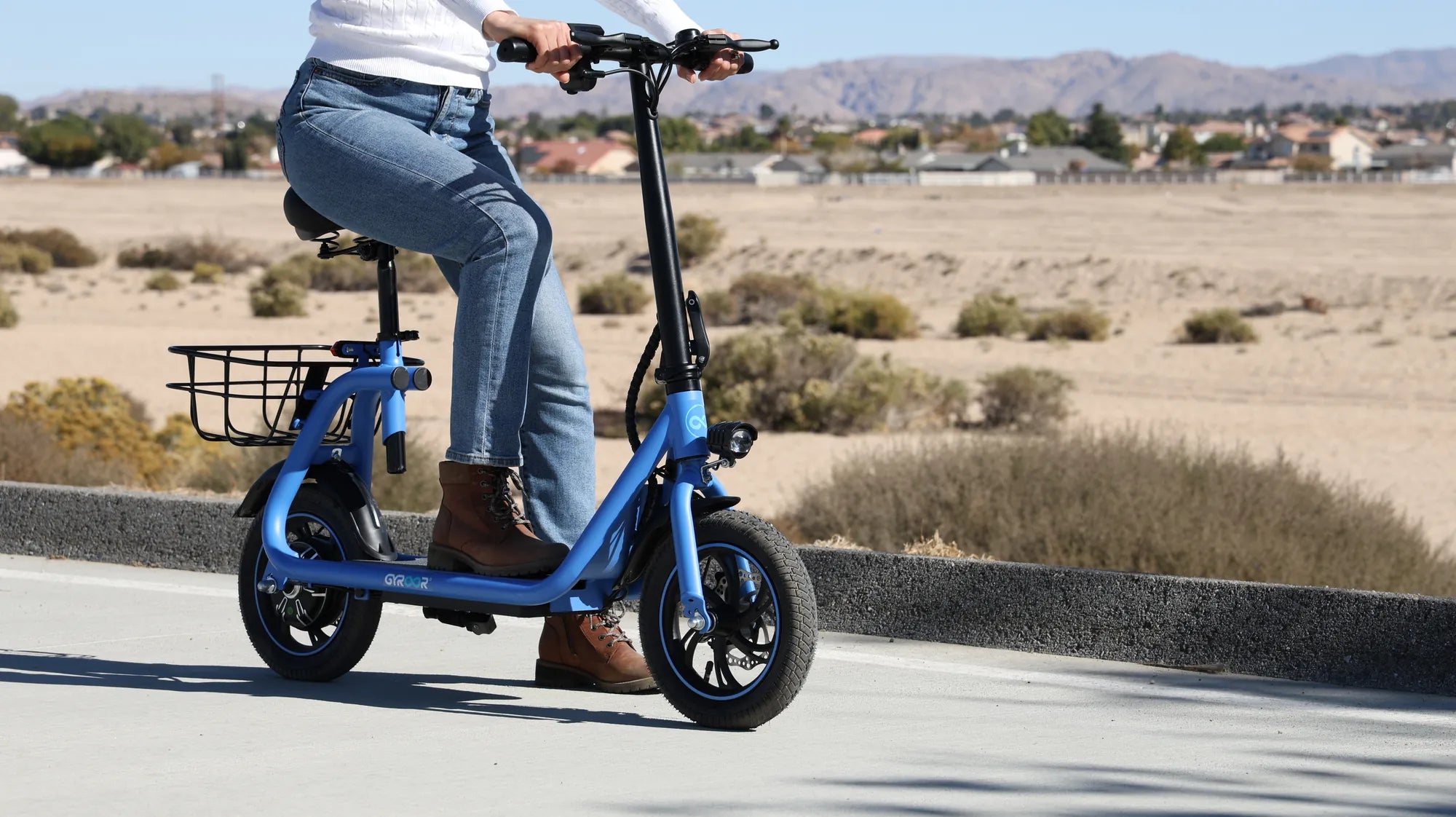
Imagine gliding up hills with ease, cruising through city streets without breaking a sweat, and extending your cycling range effortlessly. A bicycle e bike kit can make this dream a reality. Whether you're a commuter, a recreational rider, or someone looking to reduce their carbon footprint, converting your bike into an electric one is a game-changer. This guide will walk you through everything you need to know about e bike kits, from their advantages to the step-by-step installation process.
Why Choose a Bicycle E Bike Kit?
Converting your existing bicycle into an electric bike offers several compelling benefits:
- Cost-Effective: Purchasing a new electric bike can be expensive. A conversion kit is a budget-friendly alternative.
- Eco-Friendly: Reduce your carbon footprint by repurposing your current bike instead of buying new.
- Customizable: Tailor the kit to your specific needs, whether you want more speed, range, or power.
- Convenience: Enjoy the perks of an electric bike without the hassle of maintaining two separate bicycles.
Types of Bicycle E Bike Kits
There are three main types of e bike kits to consider:
- Front Hub Motor Kits: Easy to install and ideal for flat terrains, but may affect steering balance.
- Rear Hub Motor Kits: Provides better traction and is suitable for hilly areas, though installation can be more complex.
- Mid-Drive Motor Kits: Offers superior performance and efficiency by leveraging the bike's gears, but tends to be pricier.
Key Components of an E Bike Kit
Understanding the essential parts of a bicycle e bike kit will help you make an informed decision:
- Motor: The heart of the kit, determining speed and power.
- Battery: Provides the energy needed to run the motor; consider capacity and weight.
- Controller: Regulates power flow between the battery and motor.
- Throttle or Pedal Assist: Choose between a throttle for manual control or pedal assist for a more natural ride.
- Display: Shows vital information like speed, battery level, and distance traveled.
How to Install a Bicycle E Bike Kit
While installation varies by kit type, here’s a general overview:
- Prepare Your Bike: Ensure your bicycle is in good condition before installation.
- Mount the Motor: Attach the motor to the front or rear wheel, or the bike frame for mid-drive kits.
- Install the Battery: Secure the battery to the frame, typically on the downtube or rear rack.
- Connect the Controller: Wire the controller to the motor, battery, and throttle or pedal assist system.
- Test the System: Power on the kit and check all components for proper functionality.
Maintenance Tips for Your E Bike Conversion
To keep your bicycle e bike kit running smoothly, follow these maintenance tips:
- Regularly Check the Battery: Charge it properly and avoid extreme temperatures.
- Inspect Wiring: Ensure all connections are secure and free from damage.
- Keep the Motor Clean: Dirt and debris can affect performance over time.
- Monitor Tire Pressure: Properly inflated tires improve efficiency and battery life.
Legal Considerations for E Bikes
Before hitting the road, familiarize yourself with local e bike regulations:
- Speed Limits: Many regions cap e bike speeds at 20-28 mph.
- Power Restrictions: Some areas limit motor power to 250-750 watts.
- Helmet Laws: Certain jurisdictions require helmets for e bike riders.
- Licensing: Depending on the kit's power, you may need a license or registration.
Transforming your bicycle with an e bike kit opens up a world of possibilities. From effortless commutes to thrilling adventures, the right kit can revolutionize your riding experience. Ready to take the plunge? Your electric biking journey starts now!
Toddler Big Wheel Trike: The Ultimate Guide to Choosing the Perfect Ride for Your Little One
High Performance Dirt Bike Parts: The Ultimate Guide to Upgrading Your Ride