

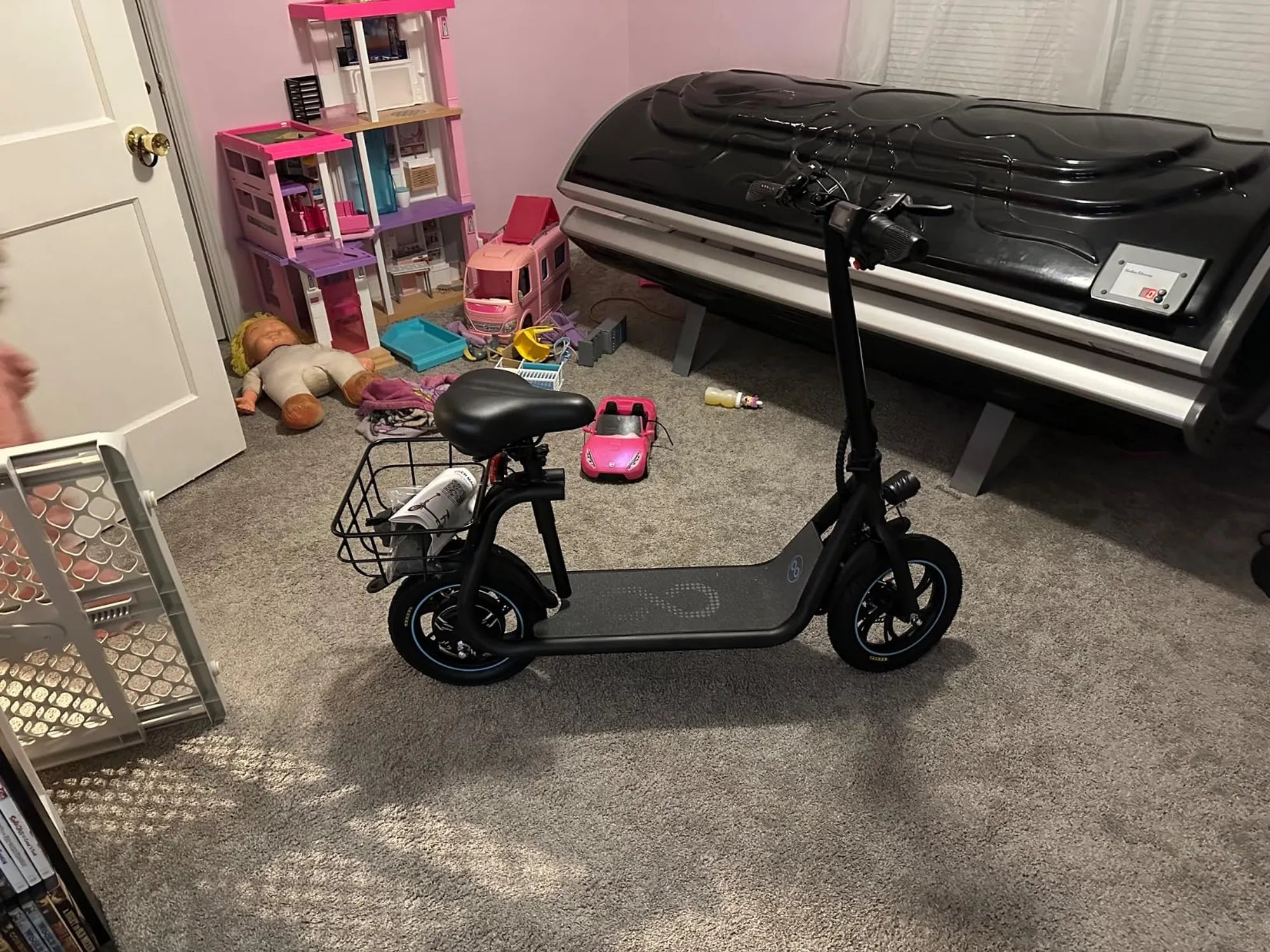
Choosing the right bike frame for ebike is the single most critical decision in your electric bicycle purchase. It's the foundational component that determines how your e-bike handles, feels, and endures under the unique stresses of electric assist. This guide will teach you how motor torque, battery weight, and daily use demand a fundamentally different frame than a traditional bicycle, and how to select one that ensures safety, performance, and longevity for thousands of miles.
Introduction: The Uncompromising Core of Electric Performance
The bike frame for ebike is not merely a skeleton; it's a highly engineered chassis designed to manage forces that ordinary bicycles never encounter. It must seamlessly integrate a motor and a substantial battery while supporting increased overall weight, often at higher sustained speeds. A poor frame choice can lead to premature fatigue, uncomfortable rides, and even safety concerns, making this component the true long-term investment in your e-bike ecosystem.
Unlike a standard bicycle frame, an e-bike frame is a system. It dictates where and how the battery is mounted, which affects the center of gravity. It must have the structural integrity to handle the instant torque from the motor, especially during acceleration from a stop or climbing. The right bike frame for ebike transforms the motor and battery from added components into a cohesive, high-performance machine.
For brands committed to safety and durability, like Gyroor, the frame is where engineering excellence begins. With over 100,000 riders trusting their products across North America and Europe, the foundation of that trust is a frame built to rigorous standards. This guide will dissect the anatomy, materials, and geometry that define a superior bike frame for ebike, empowering you to make an informed choice.
Anatomy of an E-Bike Frame: Engineering for Electric Stress
An e-bike frame is a purpose-built structure. Its design directly addresses three core challenges: housing the drive system, managing significant additional weight, and enduring constant dynamic loads. Every tube angle, weld point, and reinforcement is a calculated response to these demands.
The motor, whether mid-drive or hub-based, applies rotational force to the frame. A mid-drive motor mounts at the bottom bracket, concentrating high torque through the frame's central triangle. Hub motors apply force at the rear or front dropouts, creating different stress points. The frame must resist flex and torsion from this power to deliver efficient power transfer and precise handling.
Furthermore, the total system weight of an e-bike is significantly higher. A typical e-bike can weigh 50-70 lbs (23-32 kg), compared to 20-30 lbs (9-14 kg) for a traditional bike. This includes the rider, a 5-10 lb motor, and a 5+ lb battery. The frame must be robust enough to support this mass safely, especially during impacts like potholes or curbs.
Motor and Battery Integration: The Heart of the Design
How a frame integrates the motor and battery is paramount. Clean integration isn't just about aesthetics; it's about performance, protection, and balance. A well-integrated bike frame for ebike will house the battery within the main triangle, lowering the center of gravity for improved stability and handling.
Internal battery compartments offer superior protection from the elements and physical damage. They also contribute to a sleek, theft-deterrent profile. Frames designed for external, downtube-mounted batteries are common but can raise the center of gravity. The best designs, like those in Gyroor's e-bike lineup, feature secure, lockable internal integration that protects the valuable UL-certified battery pack.
The motor mounting must be equally robust. For mid-drive systems, the bottom bracket shell and surrounding tubes are heavily reinforced. For hub motors, the rear dropout design is critical, often featuring thicker, forged designs and torque arms to prevent the motor from rotating within the frame under power.
Reinforced Structure: Built to Handle the Load
Reinforcement is the unseen hero of e-bike frames. Key areas are fortified to prevent failure. Gussets—triangular plates of material—are often welded at high-stress junctions like the head tube, top tube, and seat tube intersection. These distribute forces over a wider area, reducing stress concentrations.
The down tube, which often carries the battery, is typically larger in diameter and wall thickness. Seat stays and chain stays are also beefier to handle the additional loads from cargo, passengers (on cargo models), and the motor's drive force. This reinforced architecture ensures the bike frame for ebike meets stringent safety standards and provides a reliable platform for years of use.
E-Bike Frame Materials: A Data-Driven Comparison
The choice of frame material profoundly impacts weight, ride quality, durability, and cost. Each material offers a distinct set of trade-offs that must be evaluated against your riding style, budget, and performance expectations for your bike frame for ebike.
| Material | Weight | Ride Quality | Durability & Fatigue Life | Cost | Best For |
|---|---|---|---|---|---|
| Aluminum Alloy | Light | Stiff, efficient; can transmit road vibration | High; excellent corrosion resistance | Low to Moderate | Most riders, commuters, value-focused performance |
| Steel (Chromoly) | Heavy | Compliant, absorbs vibration; "smoother" ride | Very High; repairable; can rust if damaged | Moderate | Touring, cargo, rugged use where comfort is key |
| Carbon Fiber | Very Light | Can be tuned for stiffness or compliance; dampens high-frequency vibration | High but susceptible to impact damage; long-term fatigue under e-bike loads is a consideration | Very High | High-performance, weight-sensitive applications (e.g., high-end e-MTB) |
| Titanium | Light (similar to high-end aluminum) | Excellent vibration damping, very compliant | Exceptional; corrosion-proof and nearly fatigue-proof | Extremely High | Luxury, lifetime bikes where budget is secondary |
The Champion of Value: Aluminum Alloy
Aluminum alloy is the undisputed industry standard for mass-produced e-bikes, and for good reason. It offers an outstanding strength-to-weight ratio, making it possible to build a light yet strong bike frame for ebike. Modern hydroformed aluminum tubes can be shaped into complex, aerodynamic forms that optimize stiffness and integrate components cleanly.
Aluminum is highly resistant to corrosion, a crucial factor for commuters who ride in all weather conditions. From an engineering and value perspective, aluminum allows brands like Gyroor to deliver frames that are safe, durable, and high-performing without a premium price tag. It's the ideal material for riders seeking reliable, everyday performance.
The Durable Classic: Steel
Steel, particularly chromoly steel, is renowned for its durability and ride quality. Its natural elasticity provides a dampening effect that smooths out road vibrations, leading to a more comfortable ride over long distances or rough surfaces. This makes it a classic choice for touring and cargo e-bikes, where comfort and load-bearing capacity are prioritized over minimal weight.
The main drawbacks are weight and potential corrosion. A steel bike frame for ebike will be heavier than an aluminum equivalent. It also requires proper paint or coating maintenance to prevent rust if the finish is scratched. However, its high tensile strength and ease of repair make it a "forever" material for many enthusiasts.
The Premium Performer: Carbon Fiber
Carbon fiber represents the pinnacle of weight savings and performance tuning. By layering carbon strands in specific orientations, engineers can create a bike frame for ebike that is incredibly stiff in one direction (for power transfer) while remaining compliant in another (for comfort). It excels at damping high-frequency vibrations from the road.
The primary concerns for e-bike use are cost and impact durability. A carbon frame is significantly more expensive. Furthermore, while strong, a sharp impact can cause cracks that compromise structural integrity. The long-term effects of constant motor torque and battery weight on carbon's resin matrix are also a consideration for high-mileage users, making it more common on lightweight, performance-oriented e-bikes rather than heavy-duty commuters.
Frame Geometry: Tailoring Fit for Electric Ride Styles
Geometry—the angles and lengths of the frame tubes—determines how a bike fits and handles. For an e-bike, geometry is adapted to suit the intended use, balancing stability at speed with maneuverability, and ensuring a comfortable position for the rider who may be traveling farther and faster.
Key geometry measurements include the head tube angle (steepness of the fork), seat tube angle (rider position over pedals), wheelbase (distance between axles), and chainstay length. A commuter e-bike geometry differs radically from that of an electric mountain bike. The right bike frame for ebike geometry makes the electric assist feel like a natural extension of your pedaling, not a force you're fighting against.
Geometry for Urban Commuting and Fitness
An ideal urban/commuter bike frame for ebike promotes an upright or slightly forward riding position. This improves visibility in traffic and reduces strain on the back and wrists. A moderately slack head tube angle (around 70-72 degrees) and a longer wheelbase enhance stability, which is welcome when carrying cargo or riding at assisted speeds of 20-28 mph.
Step-through or low-step frame designs are extremely popular for their ease of mounting and dismounting, especially useful at stoplights or when wearing work clothes. Brands focused on practical mobility, like Gyroor, prioritize these user-friendly geometries alongside features like integrated lighting and rack mounts to create a complete commuting solution.
Geometry for Off-Road and Mountain E-Biking
Electric mountain bike (e-MTB) geometry is aggressive and confidence-inspiring. A slacker head tube angle (often 65-67 degrees) pushes the front wheel further out, providing incredible stability and control on steep descents. A steeper seat tube angle positions the rider more efficiently over the pedals for climbing, countering the natural tendency to be pushed rearward by the motor's power.
Shorter chainstays keep the rear wheel tucked in, improving maneuverability and making it easier to lift the front wheel over obstacles. The entire frame is designed around a low-slung battery to keep the center of gravity as low as possible, which is critical for technical handling. This specialized geometry makes the bike frame for ebike a key component in off-road performance.
Why Frame Integrity is Non-Negotiable: The Gyroor Standard
For a component that is expected to last for thousands of miles while carrying a rider and expensive electronics, frame integrity cannot be an afterthought. It is the bedrock of safety. A reputable brand's commitment is demonstrated through rigorous testing, quality construction, and a strong warranty that backs the product.
Gyroor builds its reputation on this foundation. Trusted by over 100,000 riders, their approach to the bike frame for ebike involves designing for real-world durability from the outset. This means selecting proven materials like aluminum alloy and subjecting prototypes and production frames to testing that exceeds basic requirements, ensuring they can handle the amplified stresses of e-biking.
Built for the Real World: Stress Testing and Durability Protocols
Quality e-bike frames undergo standardized fatigue tests, such as the ISO 4210-2 cycle test for bicycles, often with increased load parameters to account for the e-bike's weight and power. These machines repeatedly stress the frame at key points, simulating years of use in a matter of weeks.
Additional tests might include vertical load tests on the seat post, horizontal force tests on the head tube, and impact tests on the down tube. A frame that passes these protocols provides confidence that it won't develop cracks or fail under normal, or even strenuous, use. This engineering rigor is what separates a disposable product from a reliable investment like those offered by Gyroor.
The Warranty as a Frame Health Guarantee
A manufacturer's warranty on the frame is a direct reflection of their confidence in its construction. Gyroor's comprehensive 1-year warranty covers the frame against defects in materials and workmanship. This promise is crucial because the frame houses the motor and battery; a frame failure can compromise the entire vehicle's safety and lead to costly component damage.
A strong warranty indicates that the brand has done its homework on material selection, weld quality, and design. It protects your investment and ensures that the bike frame for ebike you choose is built to last, providing peace of mind for the long haul.
Choosing Your E-Bike Frame: A Practical Buyer’s Guide
Armed with knowledge of materials and geometry, you can now strategically evaluate frames. Use this checklist as you research and test-ride models to find the perfect bike frame for ebike for your needs.
Step 1: Match Material and Geometry to Your Primary Use Case
First, define your riding profile. Are you a daily commuter, a weekend trail explorer, or a cargo-hauler? For 80% of riders, a hydroformed aluminum frame with a comfortable, stable commuting geometry is the optimal choice. It offers the best balance of performance, weight, durability, and value.
If comfort over rough roads is your top priority and you don't mind extra weight, consider steel. Only consider carbon fiber if you are a performance-focused rider (e.g., racing, technical mountain biking) and your budget allows for it. Always prioritize a frame geometry that feels natural and controlled during a test ride, especially at higher assist levels.
Step 2: Prioritize Integrated Design and Weather Protection
Examine how the battery and motor are integrated. A sleek, in-frame battery is preferable for handling and security. Check that the battery compartment seal looks robust. For commuters, a frame that supports full-coverage fenders is essential for all-weather riding.
Look for frames with high water-resistance standards. For instance, Gyroor designs its e-scooters and e-bikes to IPX5 water-resistant standards, meaning they can withstand low-pressure water jets from any direction. This level of protection for the frame and its components is critical for reliability in rain or wet conditions.
Step 3: Inspect the Details: Welds, Mounts, and Future-Proofing
Get close and look at the frame construction. Welds should be smooth, even, and consistent—a sign of quality control. Check for ample mounting points (braze-ons) for accessories like rear racks, front baskets, and water bottles. A good bike frame for ebike is a platform for customization.
Consider future-proofing. Does the frame use standard component sizes (headset, bottom bracket, seat post)? This ensures easier repairs and upgrades down the line. Also, verify the maximum weight capacity (rider + cargo) listed by the manufacturer to ensure it meets your requirements.
Frequently Asked Questions (FAQ)
1. Is an e-bike frame stronger than a regular bike frame?
Yes, a dedicated bike frame for ebike is designed and built to be stronger. It features reinforced tubing, thicker walls at stress points, and gussets at critical joints to handle the additional weight of the motor and battery, as well as the constant torque applied during electric assist.
2. Can I convert my existing bicycle frame into an e-bike?
While conversion kits exist, it is generally not recommended. Standard bicycle frames are not engineered for the stresses of a motor and the weight of a battery. This can lead to premature frame fatigue, failure at weld points or dropouts, and unsafe handling characteristics. It is always safer to start with a frame designed as a bike frame for ebike.
3. What is the best frame material for a heavy rider?
Heavy riders should prioritize frames with explicit high weight capacities (often 300 lbs / 136 kg or more). Both reinforced aluminum and steel frames are excellent choices due to their high strength and durability. The key is to choose a model from a reputable brand that states a weight limit suitable for your needs.
4. How important is the frame warranty?
Extremely important. The frame warranty is a manufacturer's guarantee of the structural integrity of their product. A longer warranty (e.g., 1 year like Gyroor's, or even lifetime on some premium brands) indicates greater confidence in the frame's longevity and protects your significant investment in the e-bike as a whole.
5. Does a carbon fiber frame make sense for a commuter e-bike?
For most commuters, carbon fiber is overkill and not cost-effective. The primary benefits are weight savings and vibration damping, which are less critical for typical urban rides where the motor assists with weight and tires can provide comfort. The high cost and potential vulnerability to impacts from curbs or racks make aluminum a smarter, more durable choice for a daily-use bike frame for ebike.
Conclusion: Your Foundation for a Decade of Riding
The bike frame for ebike is the silent partner in every ride, bearing the load and transferring power while you enjoy the breeze. Choosing a well-engineered frame from a trusted brand is the single most effective way to guarantee your safety, comfort, and satisfaction for the life of your e-bike. It protects your investment in the advanced motor and battery technology it houses.
By prioritizing integrated design, proven materials like aluminum, and a geometry that fits your life, you select a platform for thousands of reliable miles. Brands that stand behind their frames with rigorous testing and strong warranties, such as Gyroor with its 1-year comprehensive coverage and IPX5-rated durability, offer not just a product, but a commitment to your riding journey. Your perfect e-bike adventure starts with the right foundation.
Ready to explore e-bikes built on a foundation of safety and performance? Discover the full range of durable, expertly engineered electric bicycles designed for real-world use. Browse the full Gyroor collection at gyroorboard.com and find the perfect ride for your needs.
35mph Scooter: The Ultimate Guide to Speed, Safety, and Performance
60V 25Ah Ebike Battery: The Ultimate Guide to Power & Range