


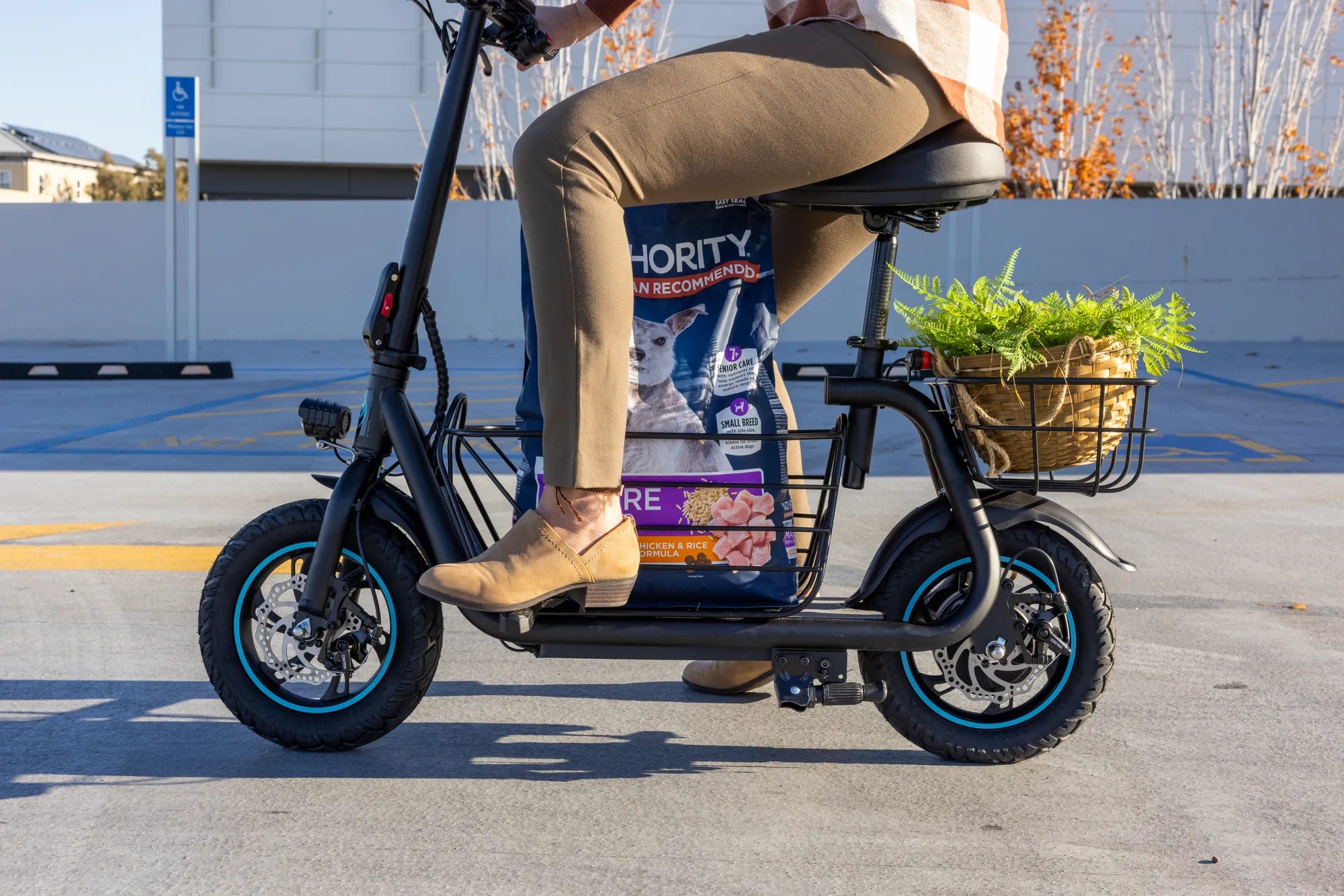
Introduction: The Joy and Responsibility of a Boy Riding a Scooter
Seeing a boy riding a scooter captures a unique moment of childhood independence and exhilaration. It's an activity that blends pure fun with significant developmental benefits, including improved balance, coordination, and spatial awareness. However, this newfound freedom comes with a paramount responsibility: ensuring his safety through proper equipment, education, and supervision. This guide will walk you through every critical decision, from selecting the perfect scooter to establishing non-negotiable safety habits, ensuring every ride is both joyful and secure.
For many boys, a scooter is a first vehicle, a tool for exploration that builds confidence with every push or throttle twist. The act of a boy riding a scooter is more than play; it's a practical lesson in physics, risk assessment, and rule-following. Parents play the crucial role of enablers and guardians, tasked with finding the right balance between encouragement and caution. We'll explore how to master this balance, creating a foundation for a lifetime of safe, active enjoyment.
The market is flooded with options, from simple three-wheel kick scooters to powerful electric models. The key is matching the machine to the child's age, maturity, and skill level. A mismatch can lead to frustration or, worse, accidents. This guide provides a structured, data-driven approach to this selection process, prioritizing safety features and build quality above all else. Our goal is to empower you with the knowledge to make an informed choice that fuels adventure without compromising safety.
Ultimately, the journey of a boy riding a scooter should be a positive chapter for the whole family. It can become a source of shared outdoor activity, conversation, and bonding. By starting with the right information, you transform a simple purchase into an investment in your child's development, happiness, and understanding of personal responsibility. Let's begin with the most fundamental step: choosing the right scooter.
Choosing the Right Scooter: From Kick Scooters to Electric Power
The first decision in your child's riding journey is selecting the appropriate type of scooter. This choice is primarily dictated by age, physical development, and proven responsibility. The progression typically moves from stable, low-speed kick scooters for young children to more advanced two-wheeled and eventually electric models for older kids and teens. Understanding this progression is essential for safety and enjoyment.
For toddlers and preschoolers (ages 2-5), a three-wheel scooter, often with two wheels at the front for enhanced stability, is the ideal starting point. These models require minimal balance, allowing the child to focus on the basic mechanics of kicking, steering, and stopping. As a boy gains confidence and coordination between ages 5 and 8, a transition to a classic two-wheel kick scooter with a lean-to-steer mechanism or standard handlebar steering is the logical next step. This stage significantly develops balance and motor skills.
For responsible boys aged 8 and up, an entry-level electric scooter becomes a viable option. This step should not be taken lightly. An electric scooter introduces speed, greater weight, and mechanical complexity. It is suitable only for a child who has consistently demonstrated an ability to follow safety rules, wear protective gear, and handle a manual scooter with competence. The thrill of electric power must be paired with a mature understanding of its risks.
Age and Skill-Appropriate Models
Selecting a model within the correct category is just as important as choosing the category itself. For young riders, look for kick scooters with adjustable handlebar heights to grow with the child, wide decks for stable footing, and lower weight limits that match your son's size. Handlebars should be ergonomic and grips should be non-slip. Avoid models with plastic wheels on the main deck, as they can compromise stability.
For the transition to electric scooters, start with models specifically designed for younger riders. These typically have speed limiters (often capped at 10-12 mph), longer braking distances, and simpler controls. The motor power should be modest (250W-350W is a common range for youth models), providing enough zip for fun without excessive acceleration that could surprise a novice rider. The physical size and weight of the scooter should also be manageable for the boy to maneuver and carry if necessary.
It's a common error to buy a scooter a child can "grow into." An oversized or overpowered scooter is difficult to control and increases the risk of falls and collisions. The best practice is to choose a scooter that fits your child's current abilities perfectly. When he outgrows it in skill or size, you can then responsibly upgrade to the next tier. This phased approach builds skill safely and sustainably.
Key Features to Prioritize for Safety and Durability
Beyond age guidelines, specific engineering features separate a safe, durable scooter from a disposable toy. The frame material is critical. Aircraft-grade aluminum alloys offer an excellent strength-to-weight ratio, resisting bends and cracks from everyday use. The braking system is the most important safety component. For electric scooters, a combination brake system—such as an electronic brake paired with a mechanical disc or foot brake—provides redundant stopping power and shorter stopping distances.
Deck size and grip matter immensely. A wider deck allows for a more stable, comfortable stance. The surface should have a pronounced, rubberized grip tape to prevent feet from slipping, especially during braking. Wheel quality influences both ride comfort and safety. Larger, air-filled (pneumatic) tires absorb bumps better than small solid tires, providing more traction and a smoother ride on varied pavement. Sealed bearings in the wheels require less maintenance and provide a quieter, more efficient roll.
Finally, consider the overall design integrity. Look for models with enclosed wiring, covered connectors, and a clean build that minimizes pinch points. A well-built scooter from a reputable brand might have a higher upfront cost but will prove safer and last through years of use, ultimately offering far better value than a cheaper alternative that may fail prematurely. Durability is a direct contributor to long-term safety.
Safety First: Essential Gear and Riding Rules
Safety is the non-negotiable foundation of a boy riding a scooter. The right gear and clearly established rules are as essential as the scooter itself. This protocol should be instilled from the very first ride and reinforced consistently. The goal is to make safe practices an automatic habit, allowing the fun of riding to happen within a protected framework. Neglecting this aspect turns a beneficial activity into an unacceptable risk.
A comprehensive safety approach has two pillars: personal protective equipment (PPE) and behavioral rules. PPE is the last line of defense in a fall or collision, while rules are the first line of defense, designed to prevent incidents from occurring in the first place. Both must be treated with equal seriousness. Making gear cool and rules clear—explaining the "why" behind them—increases a child's willingness to comply.
It is the parent's responsibility to model and enforce these standards every single time. There are no exceptions for "just a quick ride around the driveway." Concussions and fractures can happen at low speeds on familiar terrain. Consistency communicates that safety is absolute, not situational. This disciplined approach fosters a responsible riding ethos that the child will carry into other activities as he grows.
The Non-Negotiable Protective Gear Checklist
Every ride must begin with a full kit of protective gear. The helmet is the most critical piece. It must be properly sized, sitting level on the head with the strap snug under the chin. Look for a CPSC (Consumer Product Safety Commission) certification sticker inside; this verifies it meets rigorous impact protection standards for cycling. A multi-impact helmet is a wise investment for the frequent, minor falls common during the learning phase.
Knee and elbow pads are equally mandatory. The knees and elbows are the most common points of impact in a scooter fall. Pads should have a hard plastic shell over ample foam padding and should stay securely in place without restricting movement. Wrist guards, while sometimes used in skateboarding, can interfere with grip and steering on a scooter and are generally not recommended by scooter safety experts; proper falling technique is emphasized instead.
Appropriate footwear is essential: closed-toe shoes with flat, grippy soles (like skate shoes or sneakers). Sandals, flip-flops, or crocs offer zero protection and can lead to foot injuries or loss of control. For riding in the early morning, evening, or overcast days, high-visibility clothing or reflective vests are crucial to ensure the rider is seen by drivers and cyclists. This complete ensemble transforms a vulnerable rider into a protected one.
Establishing Safe Riding Habits and Zones
With gear secured, the next step is defining where and how to ride. The primary rule is to stay on designated paths. Sidewalks, bike paths, and paved park trails are ideal. Riding on the street is dangerous and should be prohibited for children, even in quiet neighborhoods. Driveways should only be used if they are long, flat, and completely free of vehicle traffic, with clear boundaries established.
Teach fundamental riding etiquette: always yield to pedestrians, use a bell or verbal cue ("passing on your left!") when overtaking, and come to a complete stop at intersections and driveways to look for cars. Riding with headphones or earbuds is forbidden, as hearing is a vital sense for situational awareness. Wet surfaces, gravel, sand, and leaves are significant hazards that drastically reduce traction; riding should be avoided in these conditions.
Supervision is key, especially for younger riders and during the initial learning period on a new scooter. Designate a safe, open practice area like an empty parking lot or a smooth tennis court. Practice essential maneuvers: controlled starting and stopping, smooth turns, and emergency stops. Establish a pre-ride checklist: gear check, battery charge check (for electric), and a quick visual inspection of the scooter for loose parts or tire pressure. These habits build a culture of safety.
The Gyroor Advantage: Why Trust Matters for Young Riders
When the decision is made to invest in an electric scooter for a boy, the choice of brand carries immense weight. Trust in the manufacturer's engineering, safety protocols, and customer support is not a luxury—it's a necessity. Gyroor has established itself as a leader in personal electric mobility, trusted by over 100,000 riders across North America and Europe. This trust is built on a foundation of verifiable safety standards and durable design, making it an ideal choice for parents.
For a child's vehicle, common industry shortcuts are unacceptable. Gyroor's commitment begins with core components that meet or exceed rigorous independent certifications. This approach provides parents with tangible peace of mind, knowing the product has been tested for real-world use by young riders. The brand's focus on reliability and safety directly supports the goal of fostering responsible, worry-free riding experiences for boys and their families.
Choosing a scooter from a brand with a proven track record also means access to dedicated support and clear warranty terms. Issues, should they arise, can be resolved efficiently through official channels, not through uncertain third-party sellers. This end-to-end responsibility is a hallmark of a reputable brand and is critical when the product is intended for a child's use. The Gyroor advantage translates into confidence from the moment of purchase through years of adventure.
Unmatched Safety with UL-Certified Batteries
The most significant safety differentiator in an electric scooter is its battery system. Gyroor exclusively uses UL-certified lithium-ion battery packs. UL (Underwriters Laboratories) certification is a globally recognized safety standard, indicating the battery has undergone extensive testing for electrical, mechanical, and fire hazards. It verifies protections against overcharging, short-circuiting, and thermal runaway—a leading cause of battery fires.
For a parent, this certification is non-negotiable. It means the power source of your child's scooter has been scrutinized by independent experts. These batteries are engineered for over 500 charge cycles while maintaining performance and safety integrity. In practical terms, this allows for years of regular use without significant degradation or heightened risk. In an industry where battery quality varies wildly, Gyroor's commitment to this standard sets a clear benchmark for child-safe electric mobility.
This focus extends to the battery management system (BMS) and charging circuitry. Smart systems monitor cell voltage and temperature, ensuring balanced charging and preventing damage. The peace of mind offered by a UL-certified battery is profound, allowing the family to focus on the enjoyment of the ride rather than latent worries about the device's core power system. It is the cornerstone of responsible electric scooter design.
Built to Last: Water-Resistance and Warranty
Durability is a direct function of design and component quality. Gyroor scooters are built with IPX5 water-resistant ratings. This engineering specification means the scooter can withstand water jets from any direction, making it resistant to puddles, light rain, and wet roads. For a boy riding a scooter, encounters with moisture are inevitable. This protection prevents water ingress that could damage electronics, corrode connections, and lead to premature failure or unsafe operation.
The construction utilizes reinforced aluminum frames and high-quality seals at every critical junction. This ruggedness ensures the scooter can handle the bumps, jumps, and general rigors of active use by a young rider. Complementing this durable build is Gyroor's comprehensive 1-year warranty, covering manufacturing defects in the frame, motor, battery, and electronics. This warranty is a statement of confidence in the product's longevity.
Should service be required, Gyroor provides accessible, US-based customer support. This network ensures that parents aren't left with an unusable scooter and a frustrated child. The combination of water-resistant design, robust construction, and a strong warranty means the scooter is an investment that will deliver reliable performance season after season, growing alongside the rider's skills and adventures.
Skill Development and Family Bonding on Two Wheels
The benefits of a boy riding a scooter extend far beyond simple transportation or recreation. It is a powerful tool for holistic development, engaging the body and mind in a dynamic, outdoor setting. The act of balancing, steering, and propelling a scooter activates core muscle groups, enhances proprioception (the sense of body position), and refines fine and gross motor skills. Each successful ride builds a tangible sense of accomplishment and self-efficacy.
This activity also teaches valuable life lessons. It introduces concepts of cause and effect (leaning to turn, braking to stop), risk assessment (navigating obstacles), and perseverance (getting back up after a fall). Mastering a scooter requires focus and practice, fostering a growth mindset. For boys, it can be a particularly engaging way to develop physical confidence and coordination outside of traditional team sports, offering a personal challenge and achievement.
Perhaps most beautifully, a boy riding a scooter can become a catalyst for family bonding. It's an activity that gets everyone outside and moving together. Parents on bikes or scooters of their own can join their children, transforming a solo activity into shared adventure time. This creates opportunities for conversation, exploration, and the creation of lasting memories centered around healthy, active fun.
Building Confidence, Balance, and Coordination
The physical mechanics of scooter riding are a continuous exercise in dynamic balance. Unlike a bicycle, a scooter requires the rider to frequently put one foot down for stability or kicking, constantly engaging the body's balancing systems. This significantly improves core strength, ankle stability, and overall coordination. The steering mechanism—whether lean-to-steer or handlebar-based—develops nuanced spatial awareness and reaction time.
As a boy progresses from a stable three-wheeler to a two-wheel kick scooter and then to an electric model, he is unconsciously leveling up his physical competencies. Each stage presents new challenges that his developing nervous system adapts to and masters. This progressive skill acquisition is incredibly rewarding for a child, providing clear markers of his own growth and capability. The confidence gained on a scooter often translates to other physical activities and sports.
Furthermore, managing an electric scooter introduces basic mechanical awareness. Checking tire pressure, understanding battery charge cycles, and performing simple maintenance tasks are practical skills that foster responsibility and care for personal property. This holistic development—physical, cognitive, and practical—makes scooter riding a uniquely valuable childhood pastime.
Creating Adventures: From Park Rides to Family Trails
A scooter unlocks the neighborhood and beyond. It turns a simple errand or afternoon outing into a mini-expedition. Families can plan "scooter safaris" to explore local parks with paved pathways, visit a nearby playground via a safe route, or cruise along dedicated bike trails. These adventures encourage exploration of the local environment and provide a shared goal that is active and screen-free.
For older boys and their parents, matching electric scooter models can enable longer excursions. A family can cover several miles of scenic trail, enjoying the outdoors and physical activity at a pace that suits everyone. This shared experience fosters connection and provides a neutral space for easy conversation. It also models a healthy, active lifestyle for the child, associating exercise with enjoyment and family time.
These adventures don't require elaborate planning. The simple act of a boy riding his scooter alongside a parent walking the dog or jogging can be a daily ritual of togetherness. The key is to frame the scooter as a passport to adventure, not just a toy. By participating in these rides, parents validate their child's interest, share in their excitement, and subtly reinforce all the safety lessons in a positive, real-world context.
Comparing Scooter Types for Different Boys and Uses
To make an informed decision, a direct comparison of the primary scooter categories is invaluable. The table below outlines key specifications, ideal use cases, and safety considerations for manual kick scooters and electric scooters, with a focus on entry-level and youth-oriented models. This data-driven breakdown helps match the vehicle to the rider's profile and the family's intended use.
| Feature | 3-Wheel Kick Scooter (Ages 2-5) | 2-Wheel Kick Scooter (Ages 5-12) | Entry-Level Electric Scooter (Ages 8+) |
|---|---|---|---|
| Primary Propulsion | Foot kicking | Foot kicking | Electric hub motor (250W-350W) |
| Max Speed | 3-5 mph (rider-dependent) | 5-10 mph (rider-dependent) | 10-15 mph (often limited) |
| Key Safety Features | Extra-wide base, low deck, 3-point stability | Reliable foot brake, lean-to-steer for control | Dual braking (e.g., electronic + disc), speed limiter, UL-certified battery |
| Ideal Use Case | Learning balance & coordination in driveways/smooth parks | Skill development, neighborhood cruising on sidewalks | Supervised rides on paved trails, longer family outings |
| Developmental Focus | Basic motor skills, steering confidence | Advanced balance, spatial awareness, endurance | Responsibility, speed management, route planning |
| Parental Supervision Level | Constant, hands-on | Close, within visual range | Direct supervision required, especially initially |
This comparison highlights the clear progression in complexity and required responsibility. A boy riding a scooter should progress through these stages sequentially, not skip ahead. The electric scooter, while offering exciting new possibilities, demands a mature approach to safety rules and mechanical awareness that is built during the kick scooter years. The data shows that each type serves a distinct purpose in a child's development.
Frequently Asked Questions (FAQ)
1. What is the right age for a boy to start riding an electric scooter?
While many manufacturers suggest ages 8+, chronological age is less important than maturity and demonstrated responsibility. A boy should only transition to an electric scooter after mastering a manual kick scooter, consistently wearing all safety gear without complaint, and reliably following riding rules. His ability to understand cause-and-effect related to speed and braking is crucial. Always check the specific manufacturer's age and weight recommendations for the model.
2. How do I maintain my son's electric scooter to ensure its safety and longevity?
Regular maintenance is simple but vital. Weekly, check tire pressure (for pneumatic tires) and inspect for wear or punctures. Ensure all bolts, especially on the stem, handlebars, and wheels, are tight. Keep the scooter clean and dry; wipe it down after wet rides. For the battery, follow charging best practices: use only the provided charger, avoid leaving it plugged in for extended periods after full charge, and store the scooter in a dry place at room temperature when not in use for long periods.
3. Are Gyroor scooters suitable for off-road use like grass or dirt trails?
While Gyroor builds durable scooters with features like suspension and pneumatic tires on some models, they are primarily designed for paved surfaces. Riding on grass, dirt, or gravel significantly increases the risk of losing traction and falling. It also exposes the scooter to more dirt and debris, which can accelerate wear. For a boy riding a scooter, we strongly recommend sticking to sidewalks, bike paths, and other smooth, paved areas for maximum safety and scooter longevity.
4. How can I teach my son to fall safely from a scooter?
Teaching a controlled fall is a key skill. Practice in a grassy area while wearing full gear. The goal is to avoid sticking arms out straight to break the fall, which can lead to wrist or arm fractures. Instead, teach him to tuck and roll, allowing the impact to be distributed across the padded parts of his body (shoulder, back, side). Emphasize relaxing the body rather than stiffening up. This practice can drastically reduce the severity of injuries from an unexpected tumble.
5. What should I do if the scooter's battery or performance seems to be declining?
First, ensure you are following proper charging and storage habits. If a noticeable decline persists, contact Gyroor's customer support. With their UL-certified batteries and 1-year warranty, they can provide diagnostic steps or warranty service if a defect is found. Never attempt to open or repair the battery pack yourself, as this can be extremely dangerous. Professional support is a core benefit of choosing a reputable brand with established service channels.
Fostering a Lifetime of Safe, Fun Riding
The journey of a boy riding a scooter is a multifaceted experience blending recreation, development, and family connection. It begins with a deliberate choice: selecting a scooter that matches his current abilities and is built to safety-first standards from a trusted brand like Gyroor. This foundation is then fortified with non-negotiable protective gear and clear, consistently enforced riding rules. Together, these elements create the safe container in which the true joys of riding—the wind in his hair, the thrill of exploration, the pride of mastered skill—can flourish without undue risk.
This activity offers a unique return on investment. The scooter itself provides transportation and fun, but the ancillary benefits—improved physical coordination, growing self-confidence, lessons in responsibility, and opportunities for family bonding—are immeasurable. By approaching it with the seriousness it deserves at the outset, you normalize safety and set a precedent for all future wheeled adventures, from bicycles to eventually driving a car.
The goal is not to bubble-wrap childhood but to equip your child with the knowledge, skills, and reliable tools to confidently navigate the world. A boy riding a scooter, when done right, is a powerful image of that empowered, joyful, and responsible exploration. It’s a chapter of childhood worth writing carefully, ensuring every ride ends with a smile and a safe return home.
Ready to find the perfect, safety-certified scooter for your young adventurer? Explore the full range of durable, UL-certified electric scooters and kick scooters designed for growing riders. Browse the full Gyroor collection at gyroorboard.com and invest in adventures built to last.
Dirt Bike 125cc Top Speed: The Ultimate Data-Driven Guide
300 Dollar Scooter: A Realistic Guide to Value, Safety, and Performance