

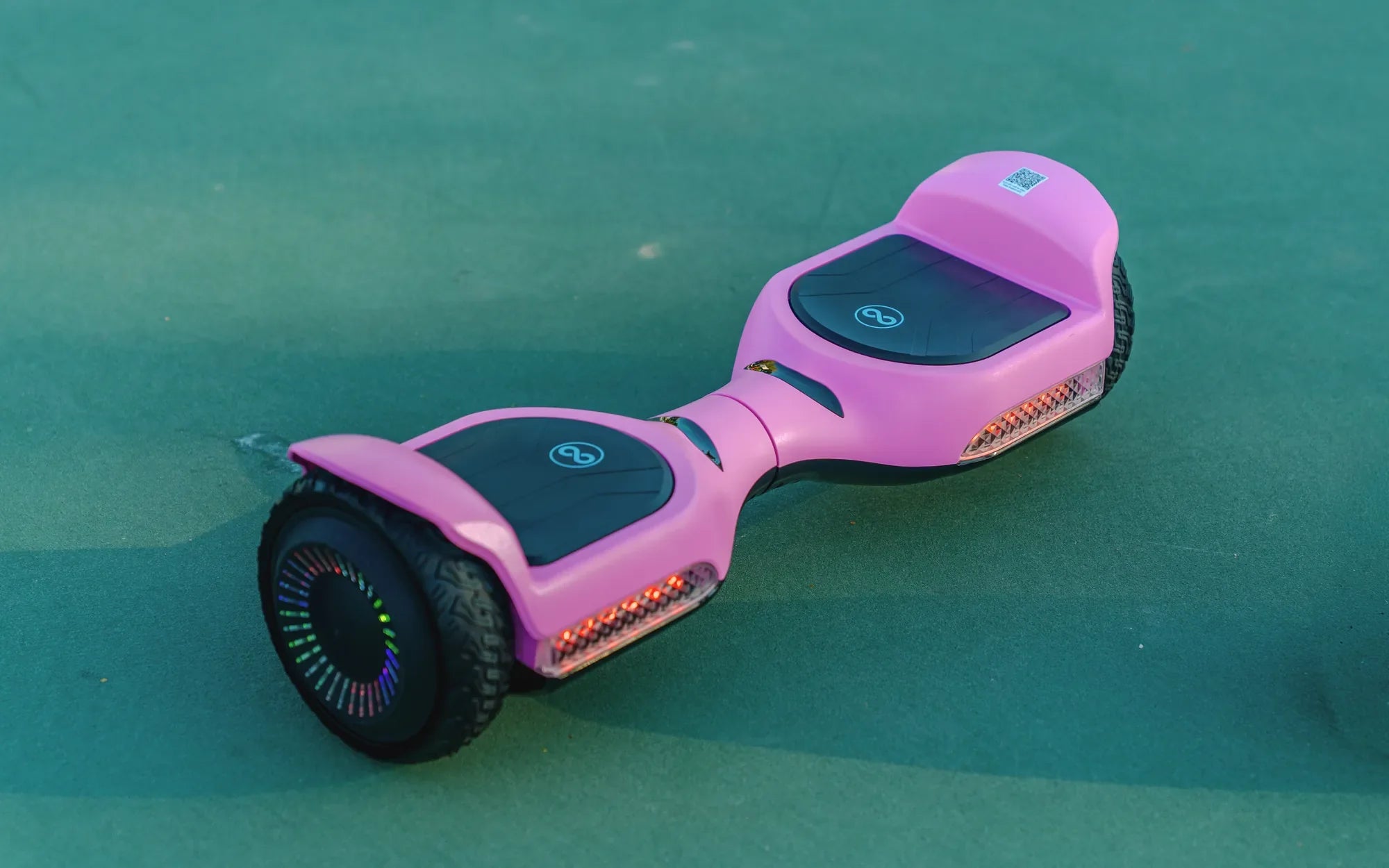
The Dream of Riding a Hoverboard Is Closer Than You Think
Imagine gliding effortlessly above the ground, defying gravity like a scene from a sci-fi movie. Building a hoverboard you can ride isn’t just a fantasy—it’s an achievable DIY project with the right knowledge and tools. Whether you’re a tech enthusiast or a hobbyist, this guide will walk you through the process of creating your very own levitating board.
Understanding the Science Behind Hoverboards
Before diving into construction, it’s essential to grasp the principles that make hoverboards work. Traditional hoverboards rely on magnetic levitation (maglev) or air propulsion to stay afloat. For a DIY project, magnetic levitation is the most practical approach due to its scalability and available materials.
Key Components of a Functional Hoverboard
- Magnetic Base: Strong neodymium magnets or electromagnets create the levitation effect.
- Power Source: A high-capacity battery or power supply to energize the magnets.
- Control System: Sensors and microcontrollers to stabilize the board.
- Frame and Deck: Lightweight yet durable materials to support the rider’s weight.
Step-by-Step Guide to Building Your Hoverboard
Now that you understand the basics, let’s break down the process into manageable steps.
Step 1: Gather Your Materials
You’ll need the following items to get started:
- Neodymium magnets or electromagnets
- Lithium-ion batteries or a portable power supply
- Arduino or similar microcontroller
- Gyroscopic sensors for balance
- Lightweight carbon fiber or aluminum for the frame
- Non-slip deck material
Step 2: Assemble the Magnetic Levitation System
Arrange the magnets in a circular or linear pattern beneath the board, ensuring opposite poles face downward. If using electromagnets, connect them to the power source and control system to adjust the magnetic field dynamically.
Step 3: Build the Frame and Deck
Construct a sturdy yet lightweight frame using carbon fiber or aluminum. Attach the deck material securely, ensuring it provides enough grip for safe riding.
Step 4: Integrate the Control System
Connect the gyroscopic sensors to the microcontroller to detect shifts in balance. Program the system to adjust the magnetic field in real-time, keeping the board stable while in motion.
Step 5: Test and Refine
Start with low-power tests to ensure stability. Gradually increase the power while adjusting the control system for optimal performance. Safety should always come first—wear protective gear during testing.
Safety Considerations for Riding Your DIY Hoverboard
Building a hoverboard is exciting, but safety is paramount. Always:
- Wear a helmet and padding during testing.
- Test in an open, obstacle-free area.
- Monitor battery levels to prevent overheating.
- Start with short, controlled rides before attempting longer distances.
Why Building Your Own Hoverboard Is Worth the Effort
Creating a hoverboard from scratch isn’t just about the end product—it’s about the journey. You’ll gain hands-on experience with electronics, magnetism, and engineering, all while bringing a futuristic gadget to life. Plus, the bragging rights of riding a hoverboard you built yourself are unbeatable.
Ready to Take Flight? Start Building Today!
The thrill of hovering above the ground is within your reach. With this guide, you have everything you need to build a hoverboard you can ride. Gather your materials, follow the steps, and prepare to experience the future of personal transportation. The sky—or at least a few inches above it—is the limit!
Can't Find Hoverboard Battery? Here's What You Need to Know
Can You Use a Hoverboard in a Park? Exploring the Rules and Fun