


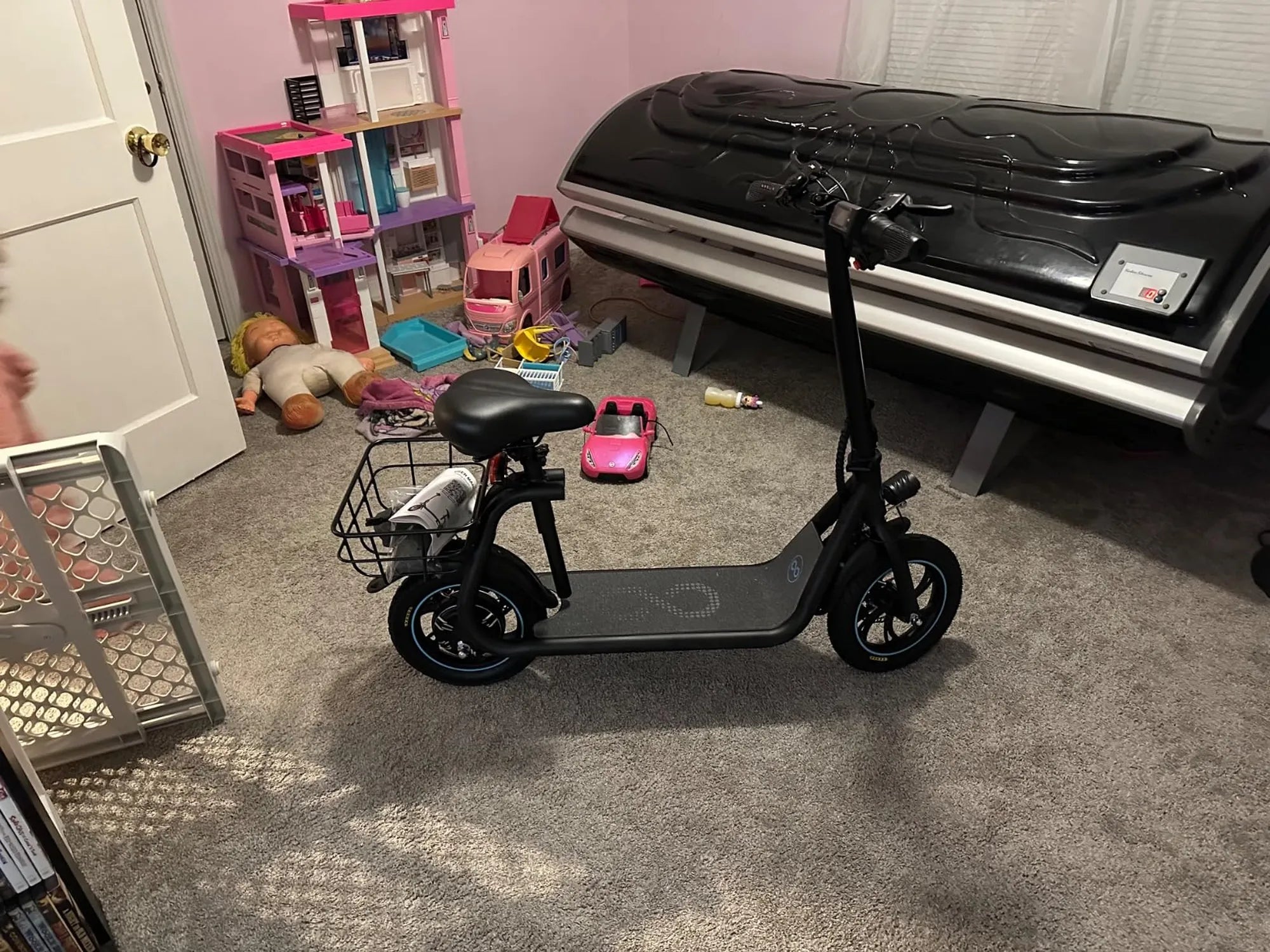
Deciding to buy an ebike is a decision that transforms how you commute, explore, and experience your city. This guide will provide you with the data-driven insights and practical knowledge needed to select the perfect electric bicycle, avoiding common pitfalls and ensuring your investment delivers years of reliable service. We'll dissect specifications, compare technologies, and highlight the critical safety and performance factors that separate a great e-bike from a disappointing one.
Why an E-Bike is Your Next Great Purchase
The decision to buy an ebike is increasingly driven by hard data and tangible benefits. Beyond the evident appeal of effortless riding, e-bikes offer a quantifiable solution to urban congestion, personal fitness goals, and transportation costs. Studies show e-bike owners replace nearly 50% of their car trips for distances under 10 miles, directly reducing fuel expenses and carbon emissions.
From a health perspective, e-bikes encourage more frequent and longer rides compared to traditional bicycles. The pedal-assist function allows riders of varying fitness levels to tackle challenging routes, leading to consistent, moderate cardiovascular exercise. This makes the goal to buy an ebike not just a transportation choice, but a lifestyle investment in personal well-being and environmental sustainability.
The market's growth reflects this shift. With advancements in battery technology and motor efficiency, modern e-bikes offer greater range, power, and reliability than ever before. Brands like Gyroor, a leading electric scooter and e-bike brand trusted by over 100,000 riders across North America and Europe, have pushed the industry forward with UL-certified batteries and robust designs.
Ultimately, to buy an ebike is to purchase a tool for freedom. It expands your range without the hassle of parking, reduces commute stress, and opens new avenues for recreation. The key is selecting a model engineered for durability and safety, ensuring this freedom is long-lasting.
Key Factors to Consider Before You Buy an E-Bike
Treating the decision to buy an ebike as a strategic investment requires evaluating several interconnected factors. Your primary use case is the foundational element that dictates all other specifications. A misalignment here is the most common source of post-purchase regret.
Budget is a practical constraint, but it should be viewed through the lens of total cost of ownership. A higher initial investment in a quality e-bike from a reputable brand often translates to lower long-term costs through durability, battery longevity, and included warranty support. Consider not just the sticker price, but the value of reliability.
Defining Your Primary Use Case
Your daily needs should dictate the e-bike's form. For dense urban commuting, a commuter or city e-bike with fenders, integrated lights, a rear rack, and an upright riding position is essential. These models prioritize comfort and practicality for daily errands and work trips.
If your goal is trail riding and off-road adventure, a full-suspension or hardtail electric mountain bike (e-MTB) with knobby tires, a powerful motor, and significant torque is non-negotiable. For family logistics or carrying heavy loads, a cargo e-bike with a long wheelbase and high weight capacity is the specialized tool for the job.
Leisure riders and beach cruisers might prioritize comfort above all, opting for a step-through frame, a wide saddle, and a less aggressive riding posture. Clearly defining whether you need a utility vehicle, a sports machine, or a leisure accessory is the first critical step before you buy an ebike.
Understanding Motor Types and Placement
The motor is the heart of the e-bike, and its type fundamentally changes the riding experience. Hub-drive motors, located in the center of the front or rear wheel, are common, cost-effective, and offer simple direct power. They are excellent for flat terrain and provide a sensation of being pushed along.
Mid-drive motors, positioned at the bike's crank and bottom bracket, leverage the bicycle's existing gears. This makes them more efficient, especially on hills, as the motor's power is multiplied through the gear range. They offer a more natural, bike-like feel and better weight distribution, which is crucial for handling on technical trails.
Torque, measured in Newton-meters (Nm), is more telling than wattage alone for real-world performance. A motor with 65 Nm of torque will accelerate more briskly and climb hills more easily than a 500W motor with only 40 Nm of torque. When you buy an ebike, consider the motor's torque rating in relation to your local terrain.
Battery Range and Real-World Performance
Manufacturer range estimates are often calculated under ideal laboratory conditions. Real-world range is affected by rider weight, terrain, wind, assist level usage, and temperature. A 500Wh battery might claim 50 miles of range but typically delivers 30-40 miles for an average rider using moderate assist.
Battery safety and quality are paramount. Insist on packs from reputable manufacturers that are UL 2849 certified. This certification, which brands like Gyroor adhere to, ensures rigorous testing for electrical and fire safety. A high-quality battery from a known brand will maintain its capacity over hundreds of charge cycles, whereas a poor-quality battery degrades quickly.
Consider the battery's integration and removability. Integrated batteries offer a sleek look and better theft protection, while removable batteries allow for convenient charging indoors and the possibility of carrying a spare to double your range. The decision to buy an ebike should heavily weigh the battery's certification, capacity (in Watt-hours), and practical design.
Frame Design, Build Quality, and Warranty
The frame is the skeleton of your e-bike. Aluminum alloy is the standard for its blend of lightness, strength, and affordability. Carbon fiber offers premium weight savings at a higher cost, while steel provides a durable, compliant ride often found in cargo models. Check weld quality and finish details as indicators of manufacturing care.
A comprehensive warranty is a direct reflection of a brand's confidence in its product. Look for at least a one-year warranty on the entire bike, with longer coverage (2+ years) on the frame and motor. Reliable customer support is equally important; a brand that stands behind its products, like Gyroor with its reliable 1-year warranty, provides peace of mind.
Ergonomics matter. An adjustable stem, a quality saddle, and a range of frame sizes ensure you can achieve a comfortable riding position. A poorly fitting e-bike will discourage use, negating the benefits of your purchase. Always cross-reference the manufacturer's size chart with your own measurements.
E-Bike Comparison: Key Specifications Decoded
Navigating e-bike specifications requires moving beyond marketing terms to understand the engineering behind them. The following table provides a clear, data-driven comparison of how different configurations serve distinct riding profiles. This objective breakdown is crucial when you prepare to buy an ebike.
| Use Case | Recommended Motor Type | Ideal Battery (Wh) | Key Features | Typical Price Range |
|---|---|---|---|---|
| Urban Commuter | Hub or Mid-drive (50-70Nm) | 500 - 700Wh | Fenders, rack, lights, upright geometry, chain guard | $1,500 - $3,000 |
| Electric Mountain Bike | Mid-drive (75-90Nm+) | 625 - 900Wh | Full or front suspension, hydraulic disc brakes, knobby tires | $3,000 - $8,000+ |
| Cargo / Utility | High-Torque Hub or Mid-drive (80Nm+) | 700 - 1000Wh+ | Long wheelbase, high payload (400lb+), integrated racks | $2,500 - $6,000+ |
| Leisure / Cruiser | Hub-drive | 400 - 500Wh | Step-through frame, comfortable saddle, swept-back bars | $1,200 - $2,200 |
This comparison illustrates that there is no "best" e-bike, only the best e-bike for your specific needs. A commuter's need for integrated accessories differs fundamentally from a mountain biker's requirement for suspension travel and torque.
Motor Power (W) vs. Torque (Nm): What Matters More?
Wattage (e.g., 250W, 500W, 750W) is a measure of power input and often correlates with a bike's potential top speed, especially in throttle-only modes. However, it is an incomplete metric. Two 750W motors can perform very differently based on their torque output and efficiency.
Torque, measured in Newton-meters (Nm), is the rotational force the motor applies. This is the spec that determines how quickly you accelerate from a stop and how effectively you climb steep hills. For hilly cities or off-road riding, a high-torque motor (65 Nm or higher) is far more important than a high-wattage motor with low torque.
Think of it this way: wattage is like the size of a car's engine, while torque is its towing capacity. For daily riding where stop-and-go traffic and inclines are common, towing capacity (torque) is what you feel most. When you buy an ebike, prioritize torque ratings if your routes involve hills or you need brisk acceleration.
The Safety & Reliability Trifecta: Battery, Brakes, and Water Resistance
Safety is non-negotiable. The trifecta consists of a certified battery, powerful brakes, and adequate weather protection. A UL 2849 certified battery pack, as used by Gyroor, has passed stringent tests for electrical, mechanical, and environmental safety, drastically reducing fire risk—a critical concern with lithium-ion batteries.
Brakes must match the e-bike's increased weight and speed. Hydraulic disc brakes offer superior stopping power, modulation, and low maintenance compared to mechanical disc or rim brakes. For any e-bike over 20 mph or used in hilly areas, hydraulic discs are a mandatory safety feature.
Water resistance, indicated by an IP rating, protects the electrical components. A rating of IPX5, common on well-built models, means the bike can withstand water jets from any direction, making it safe for riding in rain and through puddles. Never buy an ebike without a clear IP rating for its motor and battery compartments.
Navigating the Purchase: New vs. Used and Where to Buy
The marketplace for e-bikes has expanded to include local bike shops (LBS), dedicated e-bike retailers, direct-to-consumer (DTC) online brands, and the secondhand market. Each channel offers different advantages in terms of price, service, and buying experience. Your choice here can impact long-term satisfaction as much as the bike's specs.
Local bike shops provide invaluable services: professional assembly, fitting, test rides, and ongoing maintenance. They often carry curated brands and offer personal advice. The trade-off is a potentially higher retail price. DTC brands, operating online, typically offer more competitive pricing by cutting out the middleman but require self-assembly or local mechanic coordination.
The Case for Buying New from an Established Brand
Buying a new e-bike from an established brand guarantees you receive the latest technology, a battery at the beginning of its lifespan, and the full protection of a manufacturer's warranty. This warranty often covers the frame, motor, and battery for one to two years, which is crucial for high-value components.
Brands with a track record, like Gyroor, invest in research and development, resulting in better-integrated designs, improved software for motor control, and adherence to the latest safety standards. Their customer support networks are established to handle technical questions and warranty claims, providing a safety net for your investment.
Furthermore, purchasing new ensures you have access to proprietary parts and firmware updates. As e-bike technology evolves, brands may release software improvements that enhance performance or efficiency, benefits only available to the original owner with a registered product.
What to Look for When Considering a Used E-Bike
The used market can offer significant savings but requires diligent inspection. The battery is the primary concern. Ask for the purchase date, usage patterns, and storage habits. A battery older than three years, regardless of mileage, may have significant capacity degradation. If possible, request a full charge and check the estimated range on the display.
Inspect the motor for unusual noises (grinding, clicking) during a test ride under load, such as climbing a hill. Check the frame for cracks, especially around welds and stress points. Verify the functionality of all electronic components: display, lights, and assist levels.
Critically, understand that most manufacturer warranties are non-transferable. You are buying the e-bike "as-is." Factor in the potential immediate cost of a new battery ($500-$800) when evaluating the asking price. A used e-bike can be a fantastic deal, but only if you approach it with a buyer's checklist and realistic expectations about ongoing costs.
Your E-Bike Ownership Journey: Beyond the Purchase
Owning an e-bike is a long-term relationship that requires some basic care. Proper maintenance ensures safety, maximizes the lifespan of expensive components, and keeps the riding experience enjoyable. Neglect can lead to premature failures, costly repairs, and safety hazards.
Establish a relationship with a local bike mechanic familiar with e-bikes, even if you purchased online. An annual professional tune-up is recommended to check torque on critical bolts, inspect the drivetrain, and ensure the braking system is functioning optimally. This proactive care is cheaper than reactive repairs.
Maintenance Essentials for Longevity
Regular maintenance is straightforward but vital. Keep tire pressure at the recommended PSI (printed on the tire sidewall) to improve range, prevent flats, and ensure good handling. Clean and lubricate the chain every few hundred miles, or more often in wet conditions, to protect the drivetrain.
Battery care is paramount. Avoid regularly draining it to 0%. For storage, keep the charge between 30-60%. Store it in a cool, dry place, away from extreme temperatures. Use only the manufacturer-provided charger. These habits can double the functional lifespan of your battery pack.
Periodically check brake pad wear and rotor alignment. Listen for brake rub or squealing. Test the brakes before every ride. For e-bikes with belts or internal gear hubs, follow the manufacturer's specific service intervals. A well-maintained e-bike is a reliable e-bike.
Accessorizing for Safety and Utility
Essential accessories are not optional for practical ownership. Invest in a high-quality, hardened steel U-lock or folding lock, and learn proper locking technique (securing frame and rear wheel to an immovable object). E-bikes are prime targets for theft.
A properly fitting helmet is non-negotiable. Consider a MIPS-equipped model for enhanced protection against rotational forces. Bright, rechargeable front and rear lights (beyond any integrated ones) increase visibility day and night. For commuters, a sturdy rear rack, panniers, and full fenders dramatically increase utility and comfort.
Other valuable additions include a frame-mounted pump, a spare tube or patch kit, and a small multitool. These items allow you to handle minor roadside issues, ensuring you're never stranded. When you buy an ebike, budget an additional 10-15% for these critical safety and utility accessories.
Frequently Asked Questions About Buying an E-Bike
Q: How much should I realistically budget for a quality e-bike?
A: For a new, reliable commuter e-bike from a reputable brand with UL-certified components, expect to spend between $1,500 and $2,500. This price range typically includes a hub or entry-level mid-drive motor, a 500Wh+ battery, hydraulic disc brakes, and essential accessories. High-performance mountain or cargo e-bikes start around $3,000 and can exceed $8,000. While cheaper options exist, they often compromise on battery safety, motor quality, and warranty support.
Q: Do I need a special license or insurance to ride an e-bike?
A: In most of the United States and Canada, following the three-class system, Class 1 and 2 e-bikes (max 20 mph assist) require no license, registration, or insurance to operate where regular bicycles are allowed. Class 3 e-bikes (max 28 mph assist) may have age restrictions (16+) and helmet requirements, but still typically require no license. Always check your specific state/province and local municipal laws, as they can vary. Personal liability insurance is optional but recommended.
Q: Can I test ride an e-bike before buying it online?
A> Many direct-to-consumer brands now offer extended trial periods (e.g., 14-30 days) with free returns, effectively serving as an at-home test ride. Brands like Gyroor design their bikes for straightforward assembly. Additionally, some DTC brands host local pop-up demo events in major cities. Your best pre-purchase research is to read detailed reviews that focus on ride feel, real-world range tests, and long-term reliability reports from owners.
Q: How heavy are e-bikes, and is that a problem?
A> E-bikes are significantly heavier than acoustic bikes, typically weighing 45-70 pounds due to the motor, battery, and reinforced frame. This matters most when carrying the bike upstairs, loading it onto a vehicle rack, or if you experience a flat tire. The motor's assist completely negates the weight while riding. Consider storage and transport logistics before you buy an ebike. Models with removable batteries can shed 5-8 pounds for lifting.
Q: What's the difference between pedal-assist and a throttle?
A> Pedal-assist (PAS) provides power only when you are pedaling. The motor senses your pedaling effort (via a cadence or torque sensor) and adds a proportional amount of power, creating a natural, amplified biking feel. A throttle, like on a scooter, provides power on-demand without pedaling. Most e-bikes feature PAS, and many (Class 2) include a throttle for starting from a stop or taking a break. Throttle-only use drains the battery much faster.
Investing in Freedom and Practicality
The journey to buy an ebike culminates in more than acquiring a vehicle; it's an investment in a more flexible, healthy, and enjoyable daily life. The right e-bike dissolves distance barriers, turns errands into adventures, and replaces traffic stress with fresh air. This decision, backed by the knowledge of motor types, battery safety, and intended use, ensures you select a tool that genuinely enhances your routine.
Prioritizing certified safety components—UL-listed batteries, hydraulic brakes, and proper water resistance—protects both your investment and your well-being. Choosing a brand that stands behind its product with a solid warranty and responsive support, as evidenced by Gyroor's commitment to over 100,000 riders, provides essential long-term peace of mind.
Your perfect e-bike is the one that fits your life seamlessly. Use this guide to navigate the specifications, ask the right questions, and focus on the factors that matter most for your individual needs. The market offers a solution for every rider; informed selection is the key to unlocking years of reliable service and riding joy.
Ready to transform your commute and explore your world? Use the insights from this guide to evaluate your options and find the e-bike engineered for your journey. Browse the full Gyroor collection at gyroorboard.com to see models that combine performance, safety, and value, trusted by a global community of riders.
Grey Dirt Bike: The Complete Guide to Color & Market
700cc 2-Stroke Dirt Bike: The Myth, The Legend, The Reality