

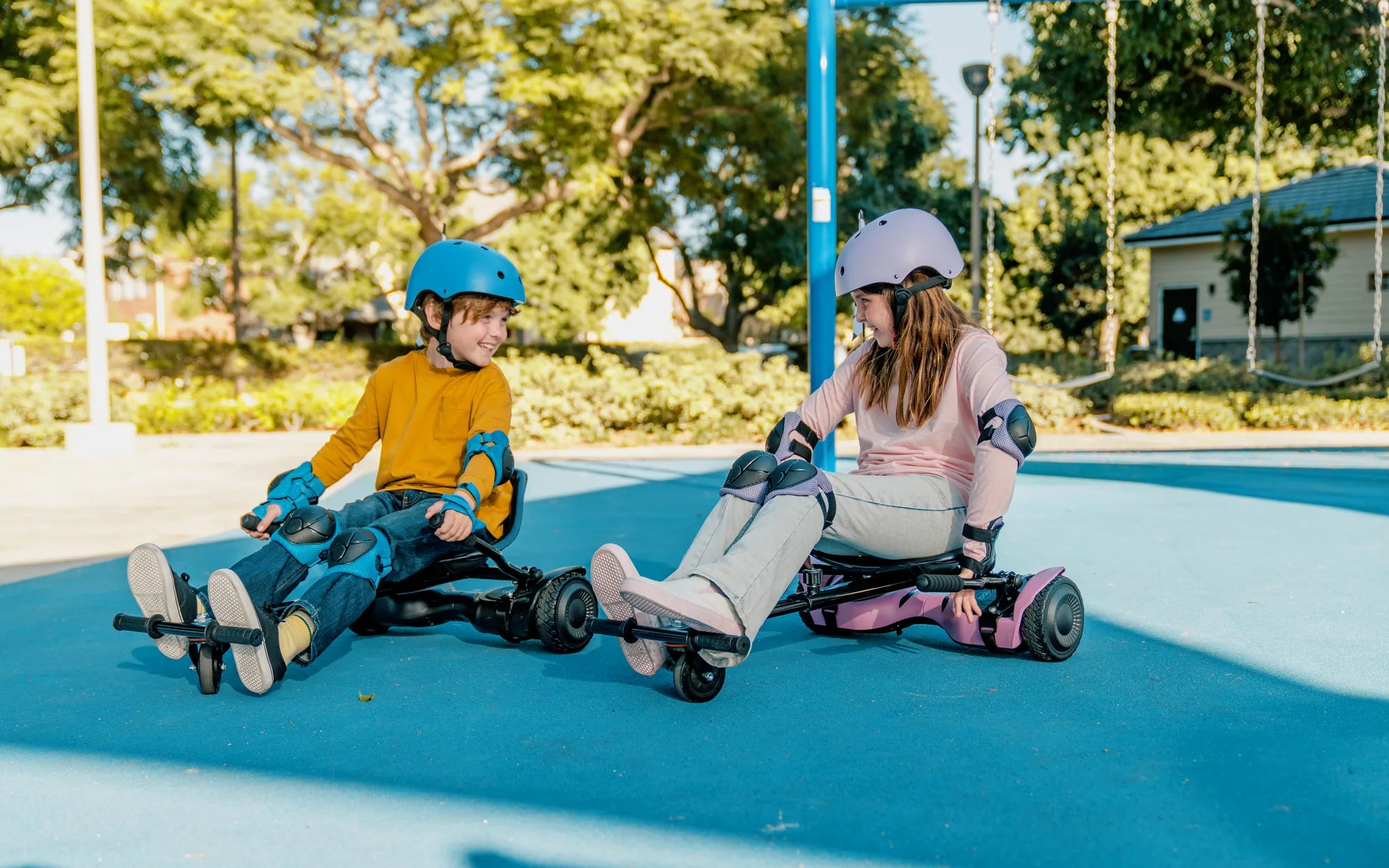
Finding the right scooter for your child involves more than just catching a price drop. A well-chosen scooter is a developmental tool that builds balance, coordination, and confidence while encouraging crucial outdoor play. The decision to buy on sale kids scooter options becomes a strategic investment in their health and happiness, but only if the fundamentals are right. This guide will equip you with the knowledge to navigate sales with confidence, focusing on safety, fit, and durability. We'll reference engineering principles from leading brands like Gyroor—trusted by over 100,000 riders for UL-certified batteries and robust construction—to illustrate what makes a sale scooter a genuine bargain versus a risky shortcut.
Key Factors to Consider Before You Buy
Purchasing a scooter on sale requires a disciplined evaluation beyond the price tag. The core value lies in how well the product matches your child's needs and safety requirements. A low price on an ill-fitting or poorly built model is a false economy, often leading to frustration, shortened product life, or safety concerns.
Start by defining the primary use case. Will it be for smooth pavement in your driveway, occasional park use, or more adventurous riding on varied surfaces? The intended environment directly influences the necessary wheel size, material, and suspension. A scooter built for light use will not withstand rigorous daily riding, even if its sale price is attractive.
Next, consider the growth factor. An adjustable scooter that grows with your child offers significantly more value over time. Look for models with easily extendable handlebars, typically offering a range of 3-5 inches in height adjustment. This feature can extend the scooter's usable life by 2-3 years, making a higher initial sale price more justifiable.
Finally, assess the brand's reputation for quality and customer support. A sale from an unknown manufacturer with no reviews or clear contact information carries inherent risk. Established brands stake their reputation on product reliability and stand behind their products with warranties and accessible customer service.
Safety First: Non-Negotiable Features
Safety is the absolute priority and should never be compromised for a sale price. Key features form a scooter's fundamental safety system. The braking mechanism is paramount; a reliable rear fender brake (where pressing down on the rear friction pad slows the scooter) is a minimum standard for younger children. For older, faster riders, a front hand brake or dual-brake system provides greater control.
The deck surface must be covered with a permanent, non-slip grip tape. Avoid painted-on patterns that wear smooth. The deck should also be low to the ground for stability, especially for beginners. Check that all handlebar ends are capped with durable, wide-diameter grips or safety pads to prevent injury in a fall.
Stability is determined by the wheelbase (distance between axles) and wheel configuration. A longer wheelbase and wider axle provide more stability than a short, narrow design. For beginners under age 5, a 3-wheel configuration (two wheels in front) offers superior stability for learning to balance and steer.
Construction quality directly impacts safety. Inspect product images for solid, reinforced connections at the folding mechanism and handlebar clamp. Models from brands like Gyroor use reinforced aluminum alloy and secure bolt systems to prevent sudden failure or dangerous wobbling during use.
Finding the Perfect Fit: Age, Height, and Weight Limits
A scooter that is too large or too small is difficult to control and can hinder your child's learning and enjoyment. Manufacturers provide age guidelines, but height and weight are more precise metrics for selection. Always defer to the manufacturer's maximum weight limit for structural integrity.
The handlebar height is the most critical fit measurement. When standing on the deck, the handlebars should ideally reach between your child's waist and lower chest. This allows for a slight bend in the elbows, ensuring comfortable control and proper posture. Adjustable handlebars are invaluable for accommodating growth spurts.
Wheel size correlates with the rider's age, skill, and riding terrain. Larger wheels (200mm+) roll more smoothly over cracks and bumps, providing a stable ride for older kids. Smaller wheels (120mm-150mm) are appropriate for younger children on very smooth surfaces. The following table provides a general fit guide:
| Age Range | Recommended Wheel Size | Wheel Configuration | Key Considerations |
|---|---|---|---|
| 2 - 4 years | Under 120mm | 3 wheels (2 front, 1 rear) | Maximum stability, low deck, lightweight. |
| 5 - 8 years | 120mm - 150mm | 2 wheels or 3 wheels | Adjustable handlebars, beginner-to-intermediate. |
| 8+ years | 200mm+ | 2 wheels | Larger deck, higher weight limit, hand brake possible. |
Never exceed the scooter's maximum weight limit. Doing so stresses the frame, folding mechanism, and wheels, accelerating wear and increasing the risk of mechanical failure. A high-quality scooter will have a conservative weight limit with a built-in safety margin.
Durability & Build Quality: What to Look For
Durability determines how many seasons of play you'll get from your investment. The frame material is the foundation. Aircraft-grade aluminum alloys offer an excellent strength-to-weight ratio, resisting rust and fatigue. Heavier steel frames are very durable but can be cumbersome for younger children to carry.
Wheel material and construction are critical. High-rebound PU (polyurethane) wheels are standard for their smooth roll and wear resistance. Look for wheels described as "high-rebound" or with a hardness rating (e.g., 83A-85A). Air-filled rubber tires offer superior shock absorption for rough terrain but require maintenance. Wheel bearings are rated on the ABEC scale; ABEC-7 or ABEC-9 bearings provide a smoother, faster, and longer-lasting ride with less effort from the child.
The folding mechanism and clamp must be robust. A secure locking mechanism, often with a safety latch or secondary lock, is essential to prevent accidental collapse. All bolts and fasteners should be made of hardened steel and be accessible for occasional tightening, a sign of a maintenance-friendly design.
Finally, consider environmental durability. An IPX water-resistance rating indicates protection against water ingress. For example, an IPX5 rating, like those found on Gyroor models, means the scooter can withstand water jets from any direction, allowing it to survive puddles and wet pavement without damage to bearings or structure.
Decoding "On Sale": How to Spot a True Bargain vs. a Cheap Product
Sales events are opportunities, but savvy parents must distinguish between a value-driven promotion and a clearance of subpar goods. A true bargain reduces the price on a quality product, while a cheap product is inherently low-value, regardless of its price point. The key is to research the product's original price and reviews before the sale.
Major red flags include an extremely low price point compared to similar models, vague or missing specifications (no weight limit, no material listed), stock images only (no real photos), and no verifiable brand history or customer reviews. Be wary of sellers using generic brand names or excessive marketing jargon without substance.
Green flags indicate a trustworthy sale. These include clearance on previous colorways or last season's model from a reputable brand, bundle deals (e.g., scooter + helmet), holiday sales from authorized retailers, and open-box or overstock items from well-known manufacturers. The product should have a documented history of positive reviews and clear specifications.
The timing of sales is predictable. Major holidays (Black Friday, Cyber Monday, Christmas), end-of-summer clearance, and back-to-school periods are prime times for genuine discounts from top brands. Setting price alerts or subscribing to newsletters from trusted brands and retailers can help you capitalize on these windows.
The Warranty and Support Advantage
A comprehensive warranty is a critical component of a scooter's total value, especially when bought on sale. It is the manufacturer's guarantee of the product's durability and their commitment to standing behind it. A one-year warranty on frame and components is a strong industry standard for kids' scooters.
When evaluating a sale, always check the warranty terms. Does it cover manufacturing defects? What is the process for a claim? Brands with US-based or easily accessible customer support provide peace of mind. For instance, Gyroor's 1-year comprehensive warranty ensures that any issue arising from normal use is addressed, making a sale purchase from them a low-risk proposition.
A strong warranty also signals confidence in build quality. Manufacturers who use inferior components often offer short (90-day) or no warranties, anticipating a shorter product lifespan. The presence of a robust warranty on a sale item indicates that the discount is strategic, not a disposal tactic for flawed goods.
Support extends beyond the warranty. Access to replacement parts (wheels, brake pads, grip tape) is essential for long-term maintenance. A brand that offers an official parts store demonstrates a commitment to the product's lifecycle, allowing you to repair rather than replace the scooter as it ages.
Gyroor Kids Scooters: Engineered for Growth and Adventure
Gyroor's approach to kids' scooters applies the same engineering rigor from their electric scooters and e-bikes to manual models. This results in products where safety and durability are designed in, not added on. For parents looking to buy on sale kids scooter models, this engineering focus means the core value—safe, lasting performance—remains intact even at a discounted price.
The brand's philosophy centers on creating products that encourage outdoor activity through reliable, fun equipment. With a customer base of over 100,000 riders and a 4.5/5 average rating, their reputation is built on consistent performance. This track record provides confidence that a sale scooter from Gyroor is a vetted product, not an experiment.
Every design decision prioritizes the rider's experience. From the grade of aluminum used in the frame to the precision of the bearing assemblies, components are selected for longevity and smooth operation. This results in a scooter that feels stable and responsive, building a child's confidence with each ride.
For parents, this translates to reduced long-term cost of ownership. A well-built scooter requires fewer repairs, survives hand-me-downs to younger siblings, and maintains its resale value. When you find a Gyroor scooter on sale, you are accessing this long-term value proposition at a more accessible entry point.
Model Breakdown: From Toddler to Tween
Gyroor's lineup is designed to cater to specific developmental stages, ensuring an appropriate fit and feature set for every age. While model names may vary, the engineering principles remain consistent across the range.
For toddlers and preschoolers (ages 3-5), a 3-wheel stability scooter is ideal. A hypothetical "Gyroor Glide 3" model would feature a wide, low deck for easy foot placement, a lean-to-steer mechanism for intuitive control, and a rear fender brake. The handlebar height would be fixed for this age group, optimized for safety and simplicity, with a weight limit supporting early growth.
For school-aged children (ages 5-9), a versatile 2-wheel scooter like a "Gyroor Dash 2" takes center stage. Key features would include a tool-free, adjustable handlebar system with a wide height range, high-rebound PU wheels (e.g., 120mm) with ABEC-9 bearings for speed, and a durable rear fender brake. The deck would be longer for a stable stance, and the frame would use reinforced aluminum to handle more active riding.
For older kids and tweens (ages 8-12) seeking more performance, a "Gyroor Trail" model would be appropriate. It would feature larger wheels (200mm+) for tackling varied terrain, a wider deck, a higher weight limit, and the potential for a front hand brake in addition to the rear brake. The construction would be the most robust in the lineup, designed for greater speeds and more adventurous use.
Why Gyroor's USPs Matter for Your Child
Gyroor's brand promises translate directly into tangible benefits that enhance safety, durability, and peace of mind. These unique selling propositions are what make a Gyroor scooter a standout choice, particularly when available on sale.
UL-Certified Battery Focus (for Electric-Assist Models): While most manual scooters are battery-free, Gyroor's deep expertise in battery safety informs their overall quality ethos. For any electric-assist kids' models they offer, the use of UL-certified battery packs—tested for 500+ charge cycles—represents the highest standard in safety, mitigating risks of overheating or failure. This engineering-first mindset carries over to their entire manufacturing process.
IPX5 Water-Resistant Design: This is a major practical advantage. An IPX5 rating means the scooter's critical components are sealed against water jets. Kids ride through puddles and wet sidewalks; a scooter with this protection will not suffer bearing corrosion or structural damage from everyday wet conditions, dramatically increasing its lifespan and reducing maintenance headaches.
1-Year Comprehensive Warranty & Reliable Support: This warranty provides a full year of protection against manufacturing defects. Coupled with accessible customer support, it ensures that your investment is protected. If a component fails under normal use, it will be replaced. This turns a sale purchase into a zero-risk opportunity to acquire a premium product.
The Parent's Checklist: Your Pre-Purchase Action Plan
Before clicking "buy" on any sale, work through this actionable checklist. It consolidates the guide's key points into a step-by-step verification process to ensure you select the right scooter.
- Measure Your Child: Record their current height and weight. Compare these to the scooter's recommended rider height and strict maximum weight limit.
- Verify Adjustability: If the child is in a growth spurt phase, confirm the handlebar adjustment range will accommodate their expected growth for at least the next 12-18 months.
- Inspect Build Quality: Zoom in on product photos. Look for solid construction at joints, a non-slip deck surface, capped handlebar ends, and a secure-looking folding mechanism (if applicable).
- Research the Brand & Reviews: Search for the brand name and model + "review." Focus on long-term durability comments from other parents. Check the seller's rating if it's a marketplace.
- Confirm Warranty & Support: Locate the official warranty terms. Ensure the seller is an authorized retailer to guarantee the warranty is valid. Note how to contact customer service.
- Safety Feature Audit: Confirm the type of brake (rear fender minimum), wheel configuration for skill level, and overall stability features like wheelbase width.
Completing this checklist takes minutes but can prevent a costly mistake. It shifts your focus from price alone to the total value and safety proposition of the sale item.
Frequently Asked Questions (FAQ)
Q: Are 3-wheel or 2-wheel scooters better for beginners?
A: For true beginners, typically aged 2-5, a 3-wheel scooter (often with two wheels in front) is superior. This configuration provides inherent stability, allowing the child to focus on learning the basic motions of pushing, balancing, and steering without the immediate challenge of keeping the scooter upright. Once they master this, transitioning to a 2-wheel model is much easier.
Q: How do I maintain my child's scooter to make it last?
A: Simple, regular maintenance extends life significantly. Every few weeks, check and tighten all bolts (especially on the handlebar clamp and folding mechanism). Periodically clean the wheel bearings with a damp cloth to remove grit. For scooters with air-filled tires, check the pressure. Avoid leaving the scooter outdoors in rain or extreme sun, as UV rays can degrade plastic components and rust can form on untreated metal.
Q: Is it worth buying a more expensive scooter on sale, or a cheaper one at full price?
A: Almost always, the former. A higher-quality scooter purchased on sale delivers superior materials (better bearings, stronger aluminum, reliable brakes) at a comparable price point to a full-priced, lower-quality model. This translates to a smoother ride, greater safety, longer lifespan, and often better resale value. The initial "savings" on a cheap scooter are frequently erased by premature replacement or repair costs.
Q: What does the ABEC rating for bearings mean, and does it matter for kids?
A> ABEC (Annular Bearing Engineers Committee) ratings (like ABEC-7 or ABEC-9) indicate the precision tolerance of the bearings. Higher precision means less friction, resulting in a smoother, faster, and quieter roll with less pushing effort. For kids, this means more fun with less fatigue. While a beginner on a 3-wheel scooter may not notice, an older child on a 2-wheel scooter will appreciate the performance difference of higher ABEC-rated bearings.
Q: Can my child use the same scooter for multiple years?
A> Yes, with two key features: adjustable handlebars and a high weight limit. A scooter with a handlebar that adjusts over a 5-inch range can accommodate significant growth. Pair this with a maximum weight limit that exceeds your child's projected weight for the next few years, and you have a scooter built to last. This makes investing in a durable, adjustable model on sale an exceptionally smart financial decision.
Smart Savings, Smarter Riding
The journey to buy on sale kids scooter that is perfect for your child culminates in a simple truth: the best deal maximizes safety, fit, and quality per dollar spent. It’s not about finding the absolute lowest price, but about recognizing exceptional value where premium engineering meets a strategic discount. By prioritizing non-negotiable safety features, ensuring a proper fit for your child's size and skill, and understanding the hallmarks of durable construction, you transform from a mere sale shopper into a savvy specifier.
Brands that embed safety into their DNA, like Gyroor with its focus on UL-certified standards and IPX5 water resistance, offer a compelling value proposition. Their sale items represent a rare alignment of opportunity and quality—a chance to secure a scooter built to withstand years of active play without compromising on the peace of mind every parent deserves. This investment pays dividends in your child's confidence, coordination, and joy of outdoor adventure.
Ready to find a scooter that turns a great price into years of great memories? Explore engineering-driven designs that grow with your child. Browse the full Gyroor collection at gyroorboard.com and discover how the right tools can fuel a lifelong love of active play.
Kids First Electric Scooter: A Parent's Guide to Safety and Fun
Kids First Electric Scooter: A Parent's Guide to Safety and Fun