



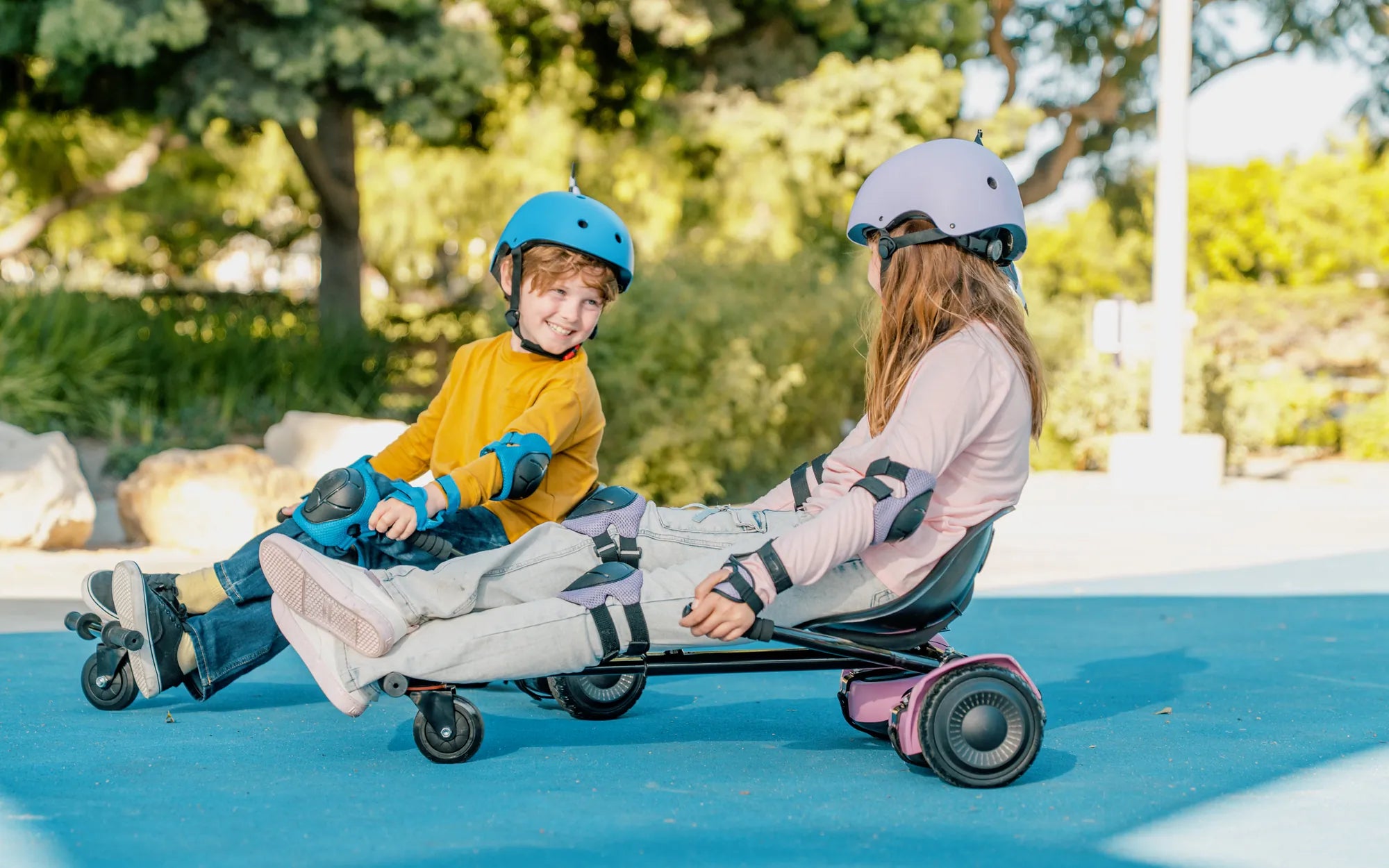
Hoverboards have become a popular gadget for kids and adults alike, but parents often wonder: can a 3-year-old ride a hoverboard? While these self-balancing scooters are fun, they come with risks, especially for very young children. Let’s dive into the safety considerations, age recommendations, and alternatives to ensure your little one stays safe while having fun.
Understanding Hoverboard Safety for Young Children
Hoverboards require balance, coordination, and quick reflexes—skills that most 3-year-olds are still developing. The American Academy of Pediatrics (AAP) generally advises against hoverboards for children under 5 due to the high risk of falls and injuries. Even with training wheels or slower speed settings, toddlers may struggle to control the device safely.
Age and Developmental Readiness
Most manufacturers recommend hoverboards for children aged 8 and up, but some models cater to younger riders with lower speed limits and enhanced stability features. However, a 3-year-old’s motor skills and cognitive abilities may not be sufficient to handle sudden movements or obstacles. Before introducing a hoverboard, assess your child’s physical readiness and ability to follow safety instructions.
Potential Risks and Injuries
Common hoverboard-related injuries include fractures, sprains, and head trauma. Young children are particularly vulnerable due to their smaller size and developing bones. Protective gear like helmets, knee pads, and wrist guards can reduce risks, but they don’t eliminate them entirely. Supervision is crucial, but even attentive parents may not prevent accidents caused by sudden speed changes or loss of balance.
Alternatives to Hoverboards for Toddlers
If your 3-year-old is eager to ride, consider safer alternatives like balance bikes, tricycles, or push scooters. These toys help develop coordination and confidence without the high-speed risks of hoverboards. As your child grows older and gains better control, you can revisit the idea of a hoverboard.
Expert Recommendations
Pediatricians and child safety experts emphasize waiting until a child is at least 5 or 6 before introducing a hoverboard. Even then, strict safety measures should be in place, including flat, obstacle-free riding areas and constant adult supervision. Always check the hoverboard’s weight limit and speed settings to ensure they’re appropriate for your child’s size and skill level.
While the idea of a 3-year-old zipping around on a hoverboard might seem adorable, the risks far outweigh the benefits. Prioritize your child’s safety by choosing age-appropriate toys and waiting until they’re developmentally ready for more advanced gadgets. When the time comes, a hoverboard can be a thrilling—and safe—addition to their playtime.
Does Hoverboard Burn Calories? The Surprising Truth Revealed
Go to Wheels Hoverboard: The Ultimate Guide to Modern Personal Transportation