



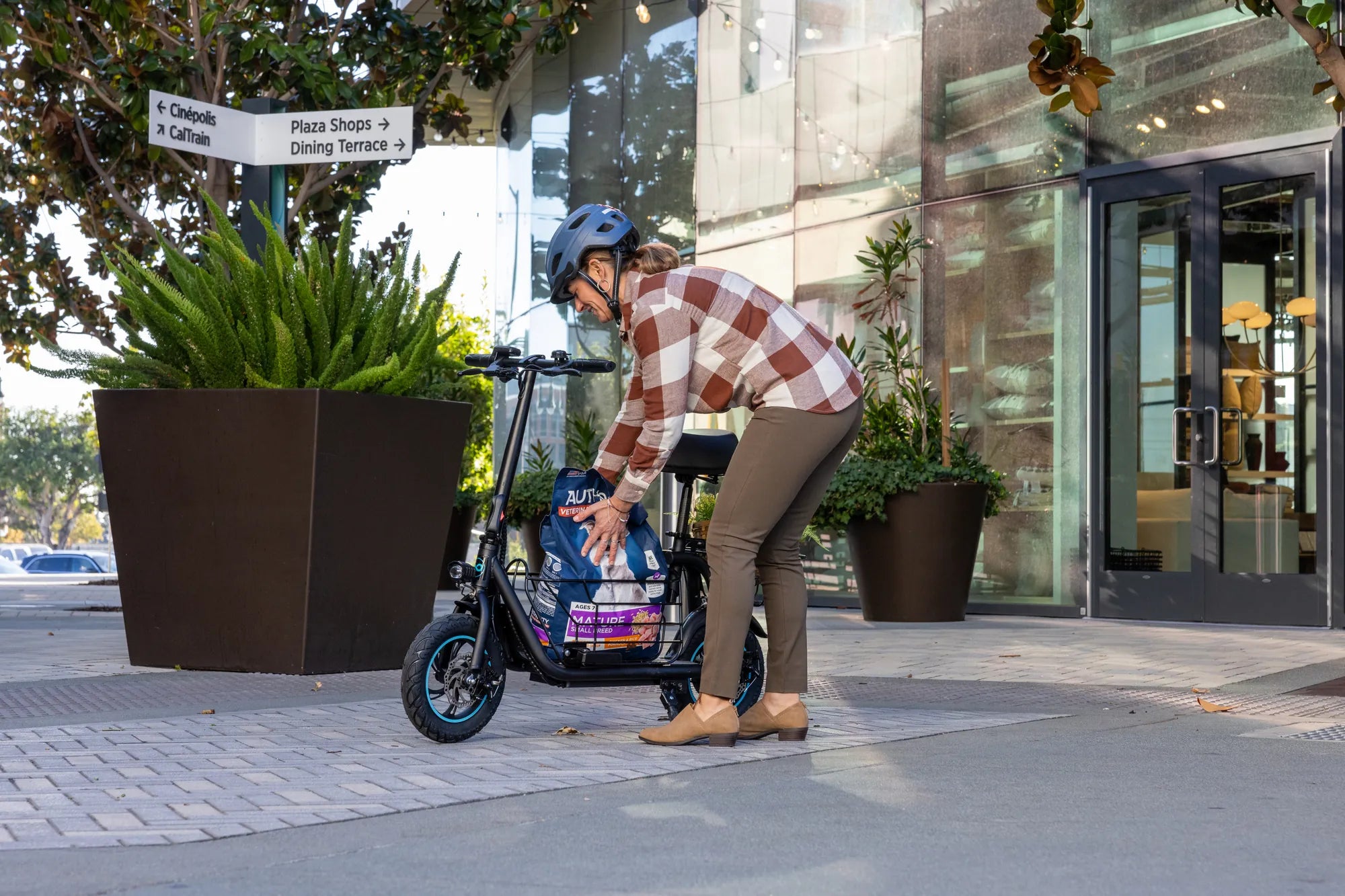
Electric scooters have become a popular mode of urban transportation, but many riders wonder: can electric scooters be used in snow and rain? The answer isn't a simple yes or no—it depends on factors like build quality, rider skill, and environmental conditions. Let's dive into the details to help you decide whether your e-scooter is up for the challenge.
Understanding Electric Scooter Water Resistance
Not all electric scooters are created equal when it comes to handling wet conditions. The key factor is the Ingress Protection (IP) rating, which indicates how well a device resists dust and water. Here's what you need to know:
- IPX4: Can handle light rain and splashes
- IPX5: Protected against water jets from any direction
- IPX6: Can withstand powerful water jets
- IPX7: Can be submerged in 1 meter of water for 30 minutes
Most budget scooters only have IPX4 ratings, while premium models may reach IPX5 or higher. Always check your scooter's specifications before riding in wet weather.
Riding Electric Scooters in Rain
While many electric scooters can technically operate in rain, there are several risks to consider:
- Reduced traction: Wet surfaces decrease tire grip, increasing the chance of slipping
- Electrical hazards: Water exposure can damage batteries and electronics over time
- Visibility issues: Rain makes it harder for drivers to see you
- Braking distance: Wet brakes may take longer to stop your scooter
If you must ride in the rain, follow these safety tips:
- Wear waterproof gear with reflective elements
- Reduce your speed significantly
- Avoid puddles that could hide potholes or debris
- Dry your scooter thoroughly after riding
The Challenge of Snow and Ice
Snow presents even greater challenges for electric scooters than rain. Here's why:
| Issue | Impact |
|---|---|
| Low temperatures | Reduces battery performance by 20-30% |
| Snow accumulation | Can clog wheels and mechanical parts |
| Black ice | Creates extremely slippery surfaces |
| Salt and grit | Can corrode metal components |
Unless your scooter is specifically designed for winter conditions, it's generally advisable to avoid riding in snow. The combination of reduced traction, battery issues, and potential damage makes snow riding particularly risky.
Maintenance Tips for Wet Weather Riding
If you do ride your electric scooter in rain or snow, proper maintenance becomes crucial:
- After each wet ride: Wipe down the scooter and check for water in the battery compartment
- Weekly checks: Inspect brakes, tires, and electrical connections for corrosion
- Monthly maintenance: Apply silicone spray to protect metal parts from rust
- Storage: Always store your scooter in a dry place
Remember that water damage may not be immediately apparent—it can take weeks or months for corrosion to cause noticeable problems.
Alternative Solutions for Bad Weather
If you regularly face wet or snowy conditions, consider these alternatives to standard electric scooters:
- All-terrain models with wider, treaded tires
- Scooters with higher IP ratings specifically designed for wet conditions
- Public transportation or ridesharing during severe weather
- Waterproof scooter covers for when you're not riding
While electric scooters offer convenient urban mobility, they're not always the best choice for extreme weather conditions. Your safety should always come first when deciding whether to ride in rain or snow.
Ready to take your e-scooter adventures to the next level? Whether you're braving a light drizzle or avoiding winter roads entirely, understanding your scooter's limits could mean the difference between a smooth ride and a costly repair—or worse. Stay safe out there, and may your journeys be dry (or at least well-prepared)!
Can I Now Ride an Electric Scooter? Everything You Need to Know
How Do I Lock My Electric Scooter: A Complete Guide to Securing Your Ride