


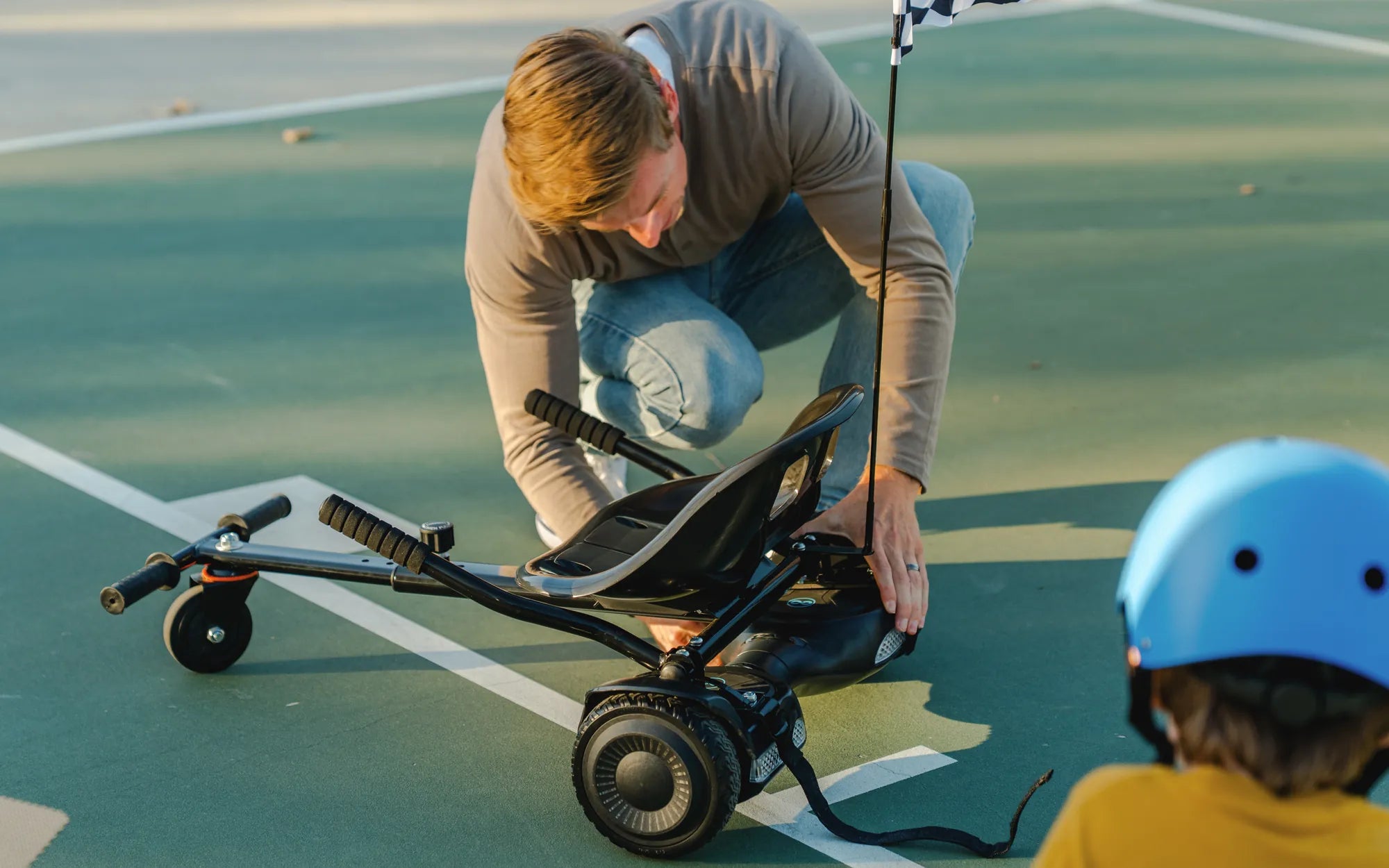
Hoverboards have taken the world by storm, offering a fun and futuristic way to get around. But as their popularity grows, so do the questions about where they can be used. One of the most common questions is: Can hoverboards be ridden inside? The answer isn't as straightforward as you might think. While it's technically possible, there are several factors to consider before zipping around your living room.
Understanding Hoverboard Mechanics
Before deciding whether to ride a hoverboard indoors, it's important to understand how these devices work. Hoverboards are self-balancing scooters that use gyroscopic sensors and electric motors to maintain stability. They respond to subtle shifts in the rider's weight, allowing for precise control. However, this technology also means they require a smooth, flat surface to operate safely.
Indoor Riding: The Pros
There are several advantages to riding hoverboards indoors:
- Controlled environment: Indoor spaces typically have smooth, even surfaces without obstacles like potholes or curbs.
- Weather protection: You don't have to worry about rain, snow, or extreme temperatures affecting your ride.
- Convenience: Indoor use allows for practice and entertainment without leaving your home.
Potential Challenges of Indoor Riding
While indoor hoverboard use has its benefits, there are significant challenges to consider:
- Space limitations: Most homes don't have enough open space for comfortable riding.
- Floor damage: Hoverboard wheels can scratch or mark certain flooring types.
- Safety hazards: Furniture, stairs, and other obstacles increase the risk of accidents.
Safety Considerations for Indoor Use
If you decide to ride your hoverboard indoors, follow these safety guidelines:
- Always wear protective gear, even indoors
- Clear a large, open space before riding
- Start with slow speeds until you're comfortable
- Be aware of your surroundings at all times
- Consider using training wheels for beginners
Best Flooring Types for Indoor Hoverboarding
Not all flooring is created equal when it comes to hoverboard use. Some surfaces work better than others:
| Floor Type | Suitability |
|---|---|
| Hardwood | Good, but may show scuff marks |
| Tile | Excellent for smooth riding |
| Carpet | Not recommended - can cause instability |
| Concrete | Good, but often found in basements or garages |
Legal and Insurance Considerations
Before riding indoors, check with your property owner or insurance provider. Some locations may have restrictions on hoverboard use, and accidents that occur indoors may not be covered by standard policies.
Alternatives to Full-Sized Hoverboards for Indoor Use
If you're concerned about space or safety, consider these alternatives:
- Mini hoverboards with smaller footprints
- Balance boards for stationary practice
- Virtual reality simulations for the experience without the risk
While hoverboards can technically be ridden indoors, the decision ultimately comes down to your specific space, skill level, and risk tolerance. With proper precautions and common sense, you can enjoy the thrill of hoverboarding without ever leaving your home. Just remember that safety should always come first, whether you're cruising through your kitchen or gliding down the hallway.
Electric Hoverboards for Kids: The Ultimate Guide to Fun and Safety
Biggest Off Road Hoverboard: The Ultimate Guide to Rugged Terrain Riding