

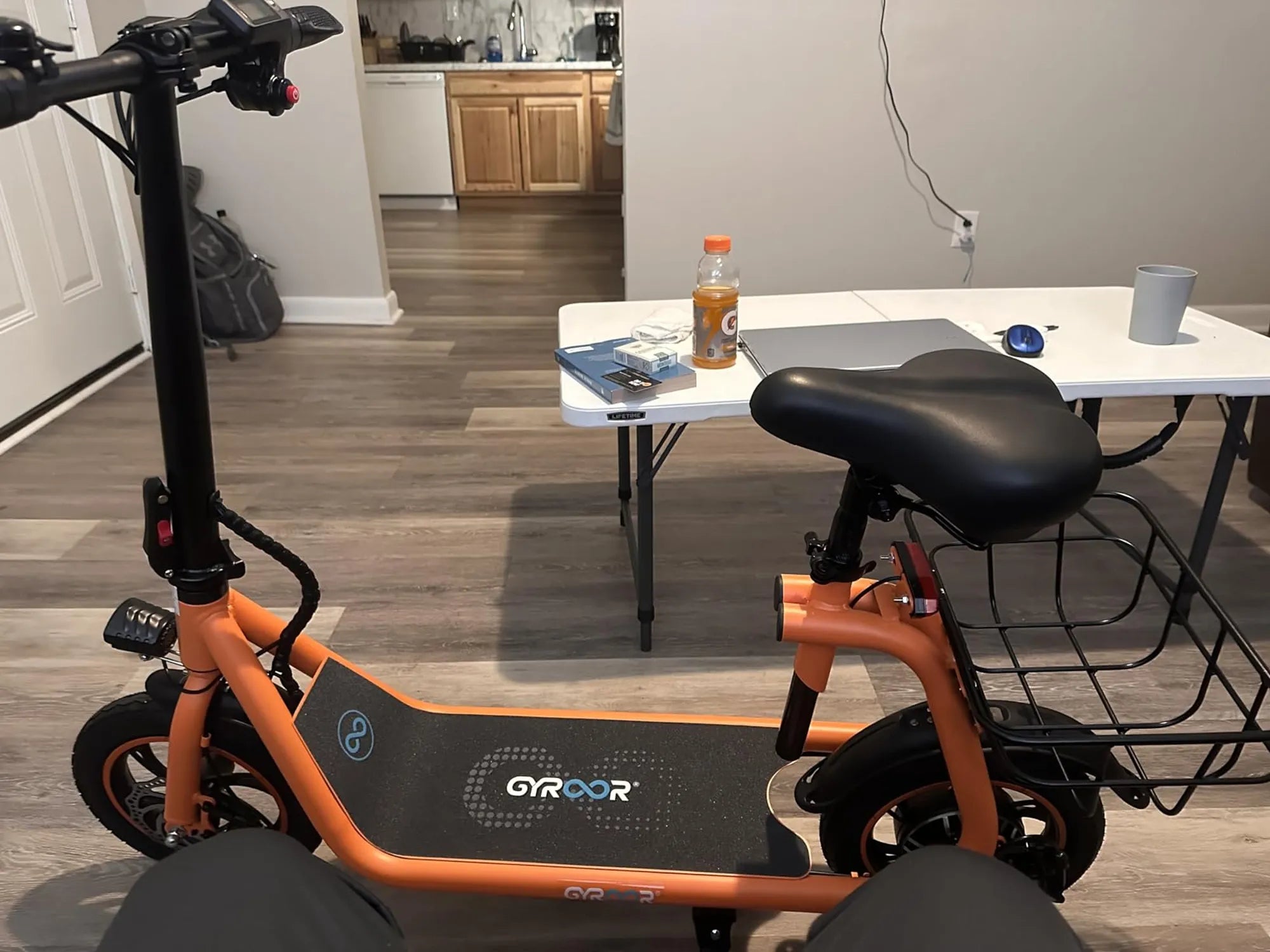
Electric bikes are revolutionizing urban transportation, offering an eco-friendly and efficient way to navigate city streets. But one question lingers in the minds of many potential riders: Can I drive an electric bike on the road? The answer isn’t always straightforward, as laws vary by location. This guide breaks down everything you need to know before hitting the pavement.
Understanding Electric Bike Classifications
Before taking your e-bike onto the road, it’s crucial to understand how it’s classified. Most regions categorize electric bikes into three main classes:
- Class 1: Pedal-assist only, with a maximum assisted speed of 20 mph.
- Class 2: Throttle-operated, with a top speed of 20 mph.
- Class 3: Pedal-assist only, with a maximum assisted speed of 28 mph.
These classifications often determine where you can legally ride your e-bike. For example, Class 1 and 2 e-bikes are typically allowed on bike paths, while Class 3 may be restricted to roads.
Legal Requirements for Riding an Electric Bike on the Road
The legality of riding an electric bike on public roads depends on local regulations. Here are some common requirements:
- Age Restrictions: Many areas require riders to be at least 16 years old.
- Helmet Laws: Some jurisdictions mandate helmets for certain e-bike classes.
- Licensing and Registration: Most regions do not require a license or registration for e-bikes, but high-speed models may be treated like mopeds.
- Speed Limits: Exceeding the motor-assisted speed limit may classify your e-bike as a motor vehicle.
Always check your local laws to ensure compliance before riding.
Safety Tips for Riding an Electric Bike on the Road
Even if it’s legal to ride your e-bike on the road, safety should always come first. Follow these tips to stay protected:
- Wear a Helmet: Even if not required by law, a helmet can prevent serious injuries.
- Use Bike Lanes: Whenever possible, stick to designated bike lanes.
- Obey Traffic Laws: Treat your e-bike like a vehicle—stop at red lights and signal turns.
- Be Visible: Use lights and reflective gear, especially at night.
Where Are Electric Bikes Prohibited?
While many places allow e-bikes on roads, some restrictions apply:
- Sidewalks: Most cities prohibit e-bikes on sidewalks for pedestrian safety.
- Certain Trails: Some nature trails ban motorized vehicles, including e-bikes.
- Private Property: Always seek permission before riding on private land.
Ignoring these rules could result in fines or confiscation of your e-bike.
The Future of Electric Bikes on Public Roads
As e-bikes grow in popularity, laws are evolving to accommodate them. Many cities are expanding bike lanes and updating regulations to promote safe e-bike use. Staying informed about these changes ensures you can enjoy your ride without legal hassles.
Ready to hit the road with your electric bike? By understanding the rules and prioritizing safety, you can enjoy a smooth, legal ride every time. Whether you’re commuting or exploring, your e-bike opens up a world of possibilities—just make sure you’re riding right.
Electric Dirt Bike 14+: The Ultimate Off-Road Adventure for Teens and Adults
Best Selling Electric Scooter in Singapore: The Ultimate Guide for Commuters