


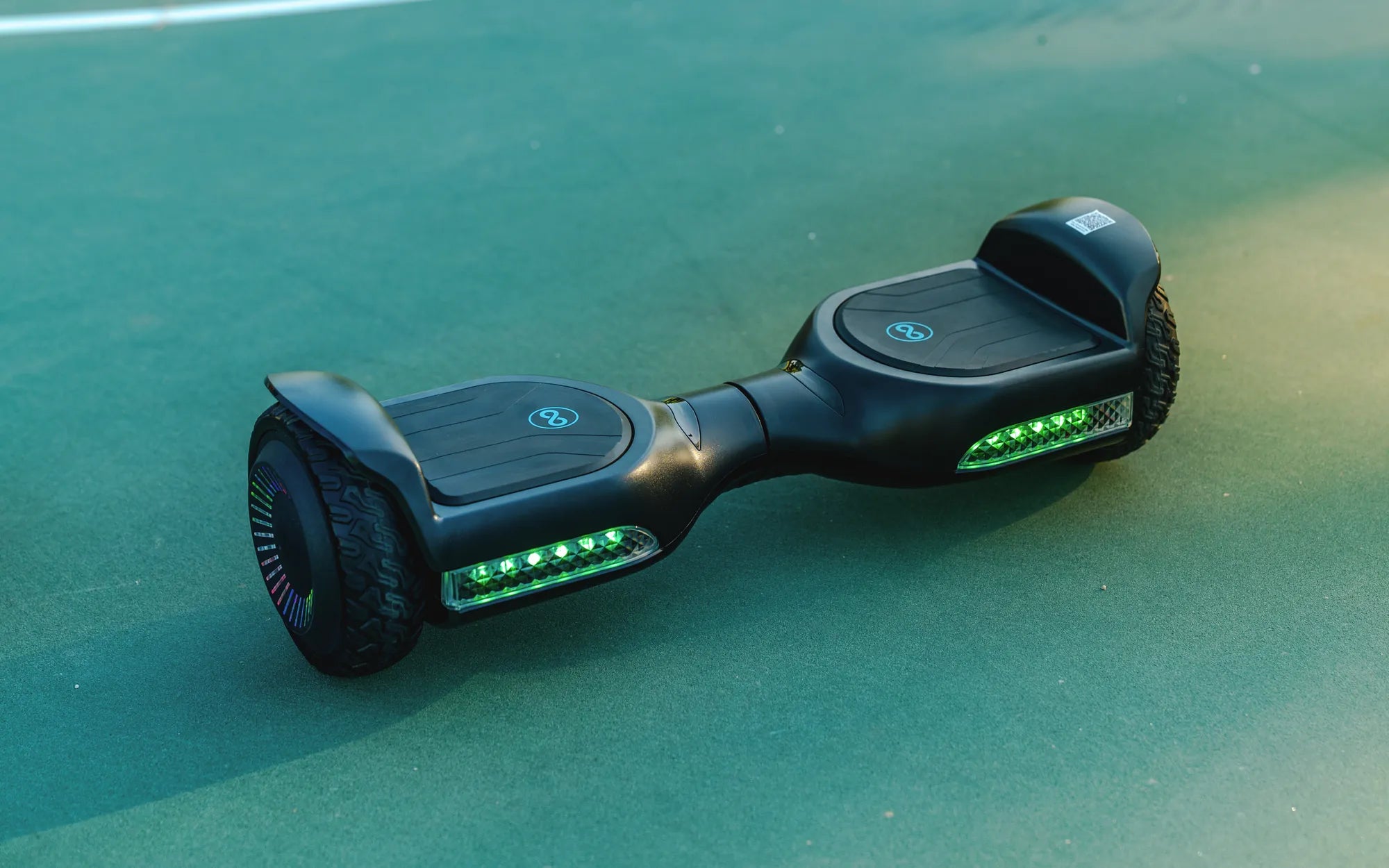
Hoverboards are fun, futuristic, and convenient, but where exactly can you ride them? If you've ever asked yourself, "Can I ride a hoverboard on pavement?", you're not alone. Many riders are unsure about the legality and safety of using these self-balancing scooters on sidewalks and roads. Let’s dive into the details to help you navigate the rules and ride responsibly.
Understanding Hoverboard Regulations
Laws regarding hoverboards vary by location, and many cities and countries have specific rules about where they can be ridden. In some places, hoverboards are classified as Personal Light Electric Vehicles (PLEVs), which means they may be subject to the same regulations as electric scooters or bicycles.
Where Are Hoverboards Allowed?
- Sidewalks: Some cities permit hoverboards on sidewalks, treating them similarly to pedestrians.
- Bike Lanes: In certain areas, hoverboards are allowed in bike lanes but not on roads with motor vehicles.
- Private Property: Riding on private property is usually unrestricted, provided you have the owner's permission.
Safety Tips for Riding on Pavement
Even if your local laws allow hoverboards on pavement, safety should always come first. Here are some essential tips:
1. Wear Protective Gear
Helmets, knee pads, and wrist guards can prevent serious injuries in case of a fall.
2. Check the Terrain
Pavement isn’t always smooth. Avoid cracks, potholes, and uneven surfaces that could cause accidents.
3. Be Aware of Pedestrians
If riding on sidewalks, yield to walkers and maintain a safe speed to avoid collisions.
Potential Risks of Riding on Pavement
While hoverboards are designed for urban environments, pavement riding isn’t without risks:
- Uneven Surfaces: Bumps and cracks can destabilize the hoverboard, leading to falls.
- Wet Conditions: Rain or wet pavement reduces traction, increasing the chance of slipping.
- Legal Penalties: Riding where prohibited could result in fines or confiscation.
Alternatives to Pavement Riding
If pavement riding isn’t allowed or safe in your area, consider these alternatives:
- Parks and Trails: Many parks have smooth pathways ideal for hoverboards.
- Empty Parking Lots: A great place to practice and ride without traffic.
- Indoor Spaces: Some malls or recreational centers permit hoverboards.
Hoverboards offer an exciting way to get around, but knowing where and how to ride them is key. Whether you’re cruising on sidewalks or exploring bike lanes, always prioritize safety and legality. Ready to take your hoverboard adventure to the next level? Stay informed, ride smart, and enjoy the glide!
Buy Hoverboard Sri Lanka: The Ultimate Guide to Choosing the Best Ride
Can You Charge a Hoverboard Longer Than 2 Hours? The Truth Revealed