

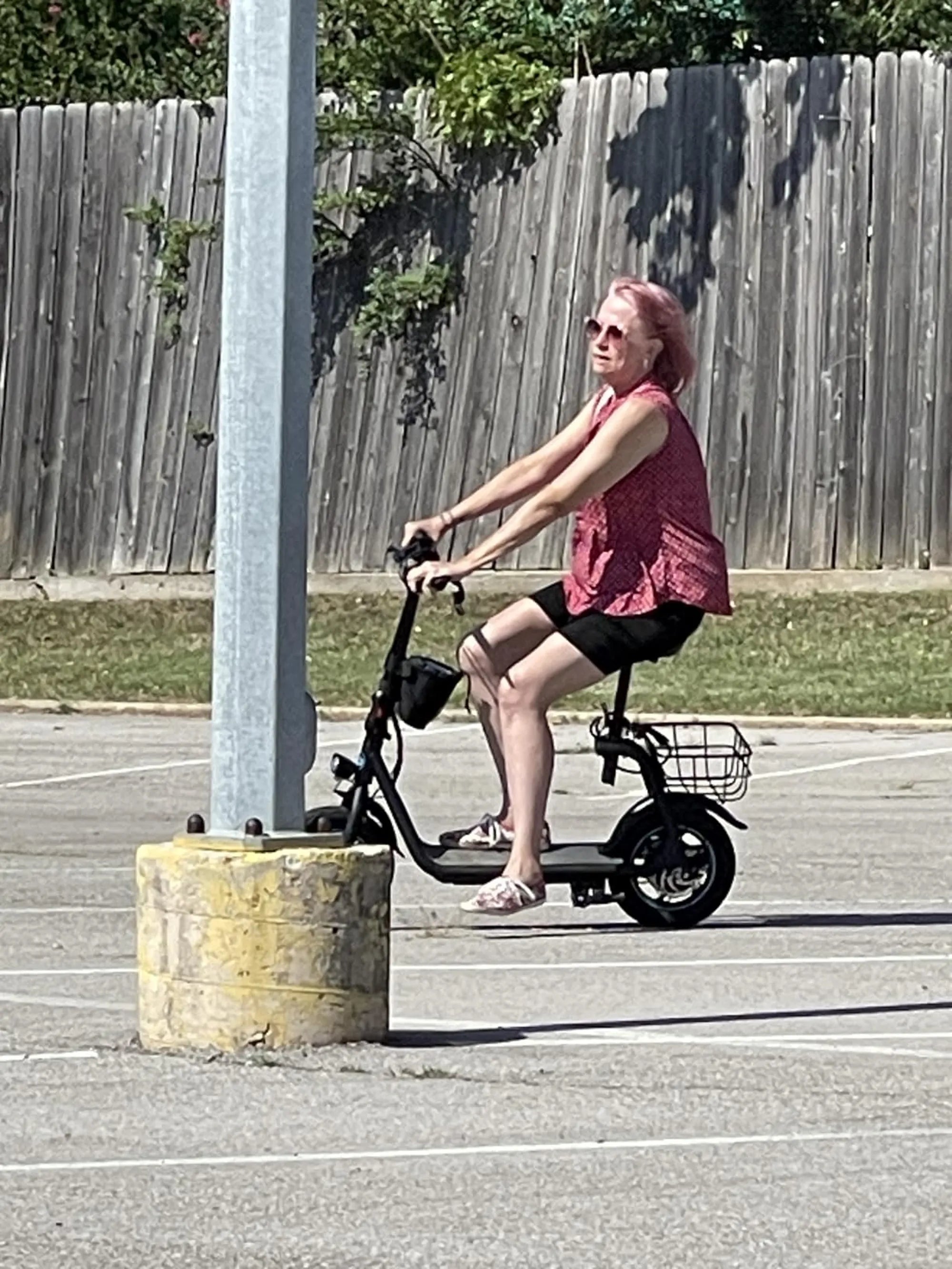
Winter weather brings a unique set of challenges for electric scooter riders. Snow, ice, and freezing temperatures can turn a fun ride into a hazardous adventure. But can you ride your electric scooter in the snow? The answer isn't a simple yes or no—it depends on several factors, including your scooter's design, your riding skills, and the conditions you're facing. Let's dive into what you need to know before hitting the snowy streets.
Understanding the Risks of Riding in Snow
Riding an electric scooter in the snow isn't impossible, but it comes with significant risks. Snow and ice reduce traction, making it easier to lose control. Cold temperatures can also affect battery performance, reducing your scooter's range and power. Additionally, wet conditions increase the risk of water damage to electrical components. Before you decide to ride, weigh these risks carefully.
Is Your Electric Scooter Built for Snow?
Not all electric scooters are designed to handle snowy conditions. Key features to look for include:
- Water Resistance: Check the IP rating—higher numbers (e.g., IPX5 or above) indicate better protection against moisture.
- Tire Type: Pneumatic (air-filled) tires offer better grip than solid tires, but they're more prone to punctures. Some scooters have winter-specific treads.
- Battery Performance: Cold weather drains batteries faster. Look for models with thermal management systems if you plan to ride in winter often.
Preparing Your Scooter for Snowy Conditions
If you're determined to ride in the snow, proper preparation is essential. Here's how to get your scooter ready:
- Check Tire Pressure: Underinflated tires can improve traction but may increase the risk of flats. Find a balance based on conditions.
- Apply Protective Coatings: Use silicone spray on exposed electrical components to prevent water damage.
- Keep the Battery Warm: Store your scooter indoors and avoid leaving it in the cold for extended periods.
Riding Tips for Snowy Terrain
Even with a well-prepared scooter, riding in snow requires extra caution. Follow these tips to stay safe:
- Slow Down: Reduce your speed to maintain control on slippery surfaces.
- Avoid Sudden Movements: Brake and accelerate gently to prevent skidding.
- Watch for Hidden Hazards: Snow can conceal potholes, curbs, and other obstacles.
- Dress Appropriately: Wear warm, waterproof clothing and gloves to stay comfortable.
When to Avoid Riding in the Snow
Some conditions are simply too dangerous for electric scooters. Avoid riding if:
- The snow is deep or slushy, as it can clog the scooter's mechanics.
- There's black ice, which is nearly invisible and extremely slippery.
- Temperatures are below freezing for extended periods, as this can damage the battery.
Alternatives to Riding in the Snow
If the weather is too harsh, consider other options:
- Public transportation or ridesharing for short trips.
- Walking with proper winter footwear for better stability.
- Storing your scooter until conditions improve.
Riding an electric scooter in the snow is possible, but it demands careful planning and extra vigilance. By understanding the risks, preparing your scooter, and adjusting your riding style, you can navigate winter conditions safely. Don't let the cold stop you—just make sure you're ready for the challenge!
Electric Scooter Comparison Tool: Find Your Perfect Ride in Minutes
World's Largest Electric Scooter: Revolutionizing Urban Mobility