


Electric dirt bikes are revolutionizing off-road adventures, but many riders wonder: can you take these powerful machines onto public roads? The answer isn't as straightforward as you might think. With laws varying by location and enforcement often inconsistent, understanding the rules could mean the difference between an exhilarating ride and an expensive ticket.
The Legal Landscape of Electric Dirt Bikes on Roads
Whether you can legally ride an electric dirt bike on the road depends largely on local regulations. Most jurisdictions classify vehicles based on factors like speed capability, motor power, and design features. Many areas require street-legal vehicles to have specific equipment including:
- Headlights and taillights
- Turn signals
- Mirrors
- Horn
- License plate bracket
- DOT-approved tires
Why Most Electric Dirt Bikes Aren't Road Legal
Traditional dirt bikes, electric or gas-powered, typically lack the required equipment for street use. Their knobby tires aren't designed for pavement, and they often miss critical safety features like proper lighting. Some key differences between off-road and street-legal bikes include:
| Feature | Off-Road Dirt Bike | Street-Legal Motorcycle |
|---|---|---|
| Tires | Knobby for traction | Street tread pattern |
| Lighting | Minimal or none | Full lighting system |
| Emissions | Not regulated | Must meet standards |
| Noise | Often loud | Quieter operation |
Converting an Electric Dirt Bike for Road Use
Some riders explore converting their electric dirt bikes for street use. This process typically involves:
- Adding required lighting and reflectors
- Installing street-legal tires
- Obtaining proper registration and insurance
- Meeting local noise regulations
- Passing any required inspections
However, conversion isn't always possible or practical, as some jurisdictions prohibit registering off-road vehicles for street use regardless of modifications.
Safety Considerations for Road Riding
Even if legal, riding an electric dirt bike on pavement presents unique challenges. The lightweight frame and aggressive suspension designed for off-road use can make street riding less stable. Riders should consider:
- Reduced traction with knobby tires on pavement
- Lower visibility to other motorists
- Limited protection in crashes
- Potentially shorter range than street-designed electric motorcycles
Alternative Options for Road-Legal Electric Riding
For those wanting electric two-wheeled transportation on public roads, several alternatives exist:
- Dual-sport electric motorcycles designed for both street and trail
- Electric motorcycles with street-legal certifications
- Electric bicycles that meet local e-bike classifications
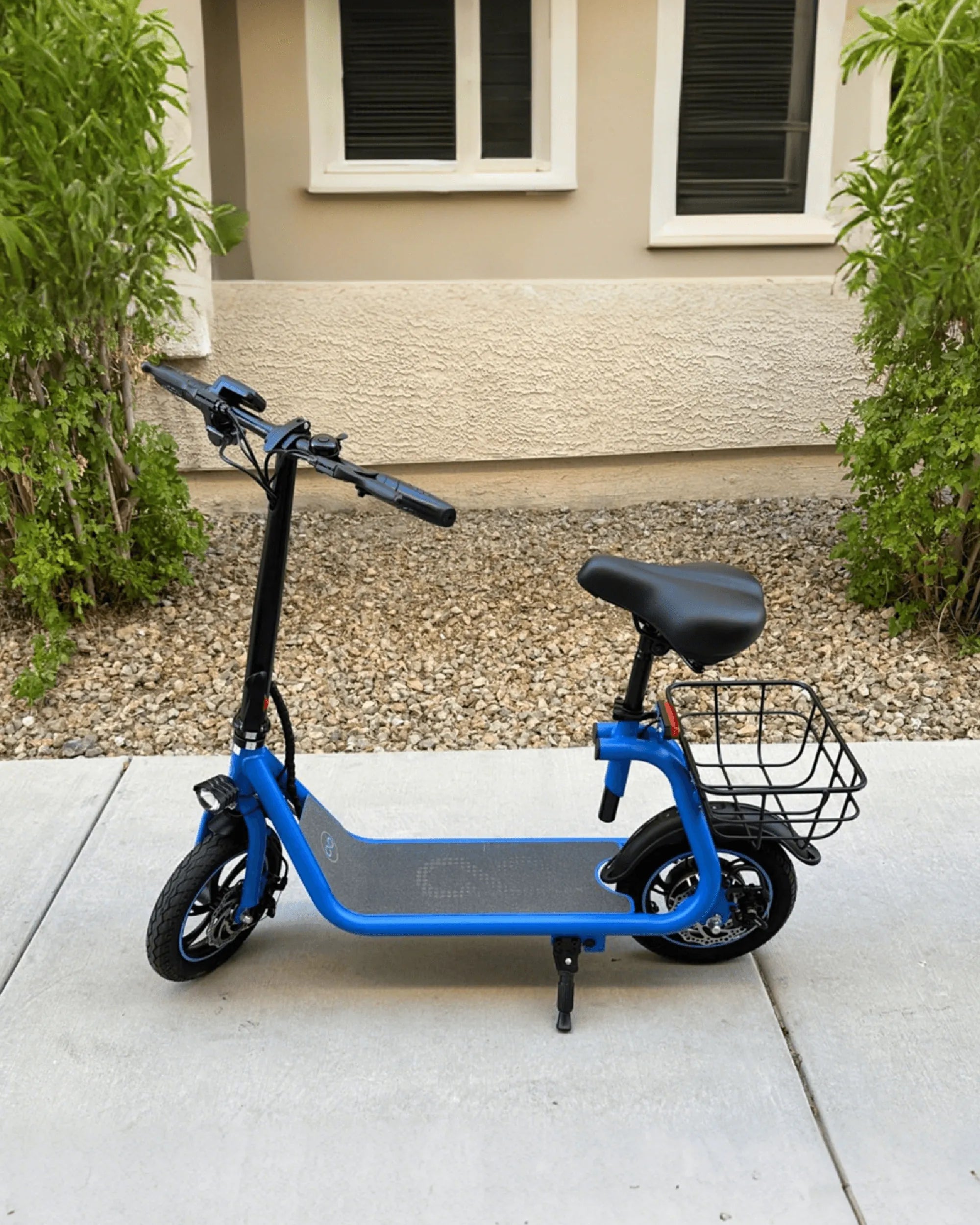
- Electric mopeds or scooters with proper registration
Enforcement and Practical Realities
While some riders report using electric dirt bikes on roads without issue, enforcement varies widely. Urban areas often crack down harder than rural locations. Consequences can range from warnings to:
- Fines for unregistered vehicle operation
- Impoundment of the bike
- Points on your driver's license
- Increased insurance rates
The thrill of riding an electric dirt bike doesn't have to end at the trailhead - but navigating road legality requires careful research. By understanding your local laws, considering conversion options, or exploring street-legal alternatives, you can enjoy electric riding while staying on the right side of the law. Whether you choose to modify, replace, or keep your dirt bike strictly off-road, responsible riding ensures the electric revolution continues to gain acceptance on all types of terrain.
Pats Peak Mountain Biking: A Thrilling Adventure for All Skill Levels
Which Electric Bike Is Right for You? A Comprehensive Guide