



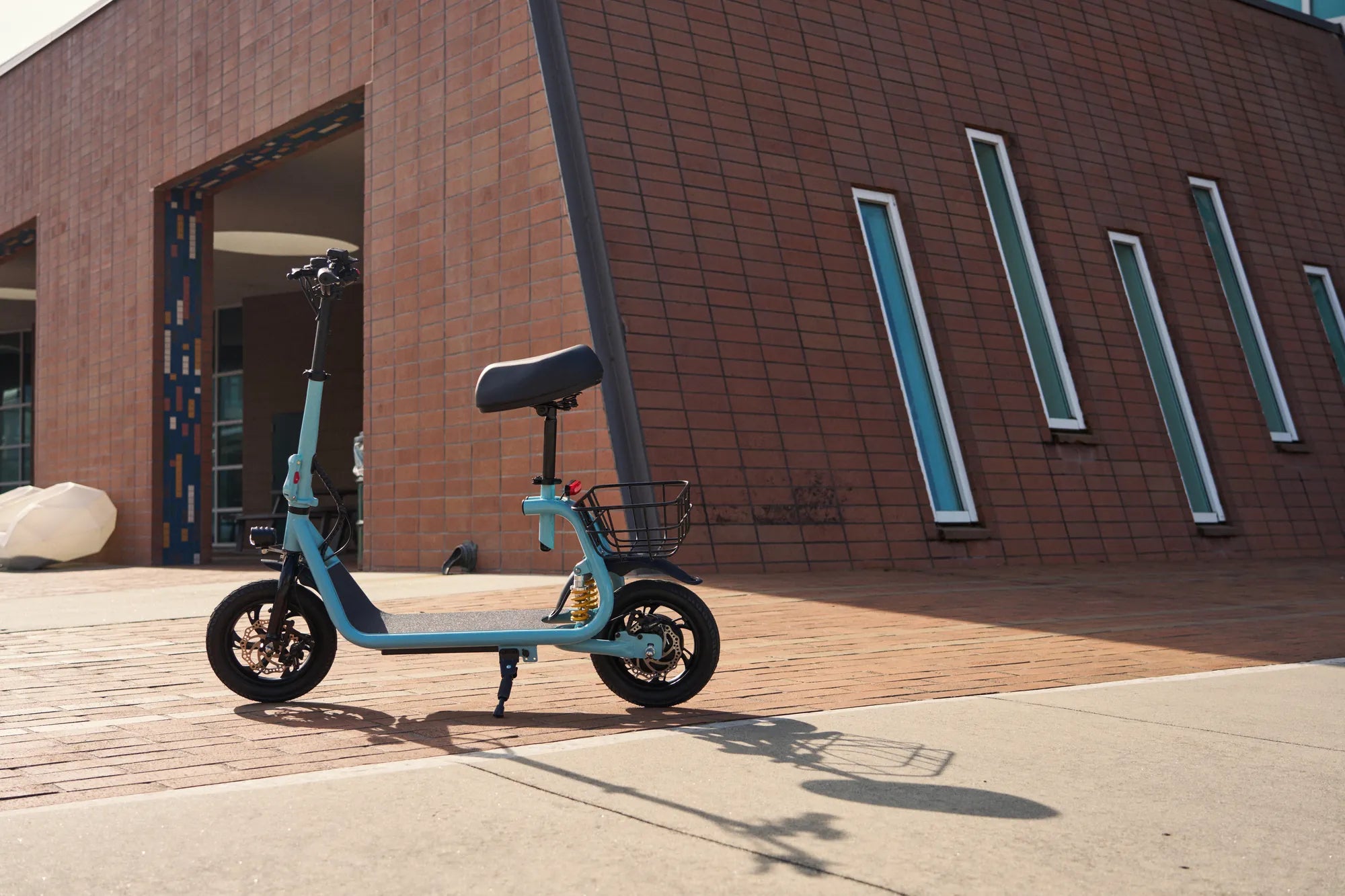
Introduction: The Wet Weather Dilemma for E-Scooter Riders
Can you ride pure electric scooters in the rain? This is a critical question for daily commuters and recreational riders alike. A sudden downpour shouldn't leave you stranded, but navigating wet streets on an electric vehicle requires specific knowledge and precautions.
This article delivers a clear, safety-first guide to wet-weather scooting. We will demystify water resistance ratings, outline essential riding techniques, and provide crucial maintenance steps. Leading brands like Gyroor, trusted by over 100,000 riders, design models with real-world conditions in mind, offering a benchmark for what safe, damp-weather riding can entail when done correctly.
Understanding Water Resistance: The IP Rating System Decoded
The key to answering the question lies in understanding the Ingress Protection (IP) rating. This international standard defines a product's protection against solid objects (first digit) and liquids (second digit). For rain, the liquid protection digit is paramount.
Most reputable electric scooters designed for commuting will have an IPX4 rating or higher. An IPX4 rating means the scooter is protected against water splashes from any direction. It can handle light rain and road spray. A more robust IPX5 rating, like that found on several Gyroor models, indicates protection against water jets from a 6.3mm nozzle from any direction, suitable for heavier rain and more forceful water exposure.
It is vital to set realistic expectations: no consumer electric scooter is fully "waterproof" or "submersible." An IP rating is about controlled testing, not real-world extremes. Riding through deep puddles or submerging any part of the scooter voids this protection and risks severe damage.
The Gyroor Advantage: Engineering for Damp Urban Conditions
Gyroor's approach to wet-weather readiness provides a practical case study in responsible design. Their engineering focuses on protecting the most critical and vulnerable components from moisture ingress, which is the core of safe rain riding.
First, the battery system is paramount. Gyroor uses UL-certified battery packs housed in sealed, reinforced enclosures. This is a critical safety feature, as a compromised battery is the greatest risk in wet conditions. Second, key electrical connections, motor housings, and the deck are designed to meet IPX5 standards, resisting water jets from road spray and rain.
Furthermore, attention is paid to the details that affect safety: enhanced traction patterns on the deck to prevent foot slippage, and tires with better wet-surface grip. This holistic design philosophy—prioritizing battery safety, sealed electronics, and rider stability—defines what to look for in a scooter you plan to use in variable weather.
Essential Safety Tips for Riding an Electric Scooter in the Rain
Knowing your scooter's IP rating is just the start. Your riding technique and preparation are equally important for safety. Always perform a pre-ride check in wet conditions. Ensure tire pressure is adequate for better grip, and confirm brakes are responsive; wet rims or discs can double stopping distances.
Modify your riding style significantly. Reduce your speed by at least 30-40% compared to dry conditions. This allows more time to react. Brake earlier and apply pressure gradually and smoothly to avoid skidding. Increase your following distance from vehicles and other obstacles.
Be hyper-aware of road hazards. Avoid painted road markings, metal surfaces like manhole covers and train tracks, and wet leaves, as these become extremely slippery. Steer clear of standing water and puddles whose depth you cannot judge; they can hide potholes and cause water ingress.
Finally, maximize your visibility. Wear bright or reflective clothing and use your scooter's lights (front and rear) even during daytime rain. Assume that drivers have a harder time seeing you.
What to Avoid: Critical Risks and Limitations in Wet Weather
Understanding the prohibitions is as important as knowing the best practices. The primary risk is water damage to the electrical system. Submerging the deck in a deep puddle can force water past seals, leading to short circuits, controller failure, or battery damage. This repair is often costly and rarely covered by warranty.
Physical safety risks escalate dramatically. Reduced traction affects both acceleration and braking. A sudden brake application can lock wheels and cause a slide. Leaning into turns must be more cautious. Furthermore, rain impairs your vision and a helmet visor can fog, reducing situational awareness.
Never charge a scooter immediately after riding in the rain, even if it has a high IP rating. Always allow it to dry completely in a well-ventilated area first. Moisture trapped near charging ports or within connectors during a charge cycle can cause corrosion or electrical failure.
Maintenance and Care After Riding in Wet Conditions
Proper post-ride care is non-negotiable to ensure your scooter's longevity after wet use. As soon as possible, use a dry, absorbent microfiber cloth to thoroughly wipe down the entire scooter. Pay special attention to the braking surfaces (rims, discs, calipers), the stem folding mechanism, and the deck.
Gently dry around all ports and connectors. Tilt the scooter to ensure any water that may have entered the deck can drain out from drainage holes if present. Do not use a high-pressure hose or direct steam, as this can force water into seals.
Allow the scooter to air-dry at room temperature for several hours before storing or charging. Avoid storing it in a damp, enclosed space like a wet garage or basement, as this promotes corrosion and mold. Regular maintenance, such as checking bolt tightness and brake pad wear, becomes even more important if you frequently ride in wet conditions.
Comparing Scooter Readiness for Wet Conditions
Not all scooters are created equal for damp weather. The table below outlines key considerations across general categories, with Gyroor's design serving as a benchmark for commuter-ready models.
| Scooter Type / Feature | Typical IP Rating | Suitability for Damp Conditions | Key Considerations |
|---|---|---|---|
| Budget / Toy Scooters | IPX4 or unspecified | Low | Designed for fair-weather, short use. Electrical components often minimally protected. High risk of water damage. |
| Standard Commuter Scooters | IPX4 | Moderate | Can handle light rain and splashes. Requires cautious riding and diligent drying. Avoid heavy rain and puddles. |
| Robust Commuter Scooters (e.g., Gyroor) | IPX5 on key components | High | Engineered for wet city commutes. Sealed battery compartments, better-sealed electronics. Can handle moderate rain with proper technique. |
| Off-Road / Performance Scooters | Varies (IPX5-IPX6 common) | High | Often feature higher water resistance for rugged use. Check manufacturer specs carefully, as focus may be on dust/dirt protection. |
Frequently Asked Questions (FAQ)
Is my Gyroor scooter waterproof?
No electric scooter is fully waterproof. Gyroor models are designed with IPX5 water-resistant features on critical components, meaning they are protected against low-pressure water jets from any direction. This makes them highly resistant to rain and road spray, but they are not submersible.
Can I ride through a puddle?
It is strongly advised to avoid puddles. You cannot judge their depth, and they may hide curbs or potholes that can cause a crash. Even a shallow puddle can splash water directly into sensitive areas like the motor or controller, bypassing seals.
Does the warranty cover water damage?
Warranties, including Gyroor's reliable 1-year warranty, almost never cover water damage. Water ingress is typically considered misuse or neglect. Coverage applies to manufacturing defects under normal use conditions, which explicitly exclude submersion or riding in heavy flooding.
How should I dry my scooter if it gets soaked?
First, power it off. Wipe it down thoroughly with a dry cloth. Place it in a dry, ventilated area at room temperature. Do not use a heater or hair dryer, as concentrated heat can damage electronics and seals. Allow it to air-dry for 24-48 hours before attempting to turn it on or charge it.
Are the tires safe on wet roads?
Tire design matters. Larger, air-filled tires with some tread pattern generally offer better wet traction than small, solid rubber tires. However, all tires have significantly reduced grip on wet pavement. The primary safety factor is rider behavior: reduced speed and smooth, careful maneuvering.
Conclusion: Smart Riding is Safe Riding
The definitive answer is yes, you can ride many pure electric scooters in the rain, but with critical caveats. Success depends on a three-part formula: knowing your scooter's engineered limits (using IPX5 as a strong benchmark), adopting a cautious and skilled riding technique, and committing to diligent post-ride maintenance. Prioritizing safety over convenience—choosing to wait out a torrential downpour or walking your scooter through a flooded section—is always the wisest choice.
Brands like Gyroor demonstrate that with thoughtful design focusing on sealed electronics, UL-certified battery safety, and traction, scooters can be reliable partners for urban commuting in less-than-ideal weather. By understanding the principles outlined here, you can make informed decisions, protect your investment, and most importantly, ensure your journeys remain safe.
Ready to find a scooter built for real-world conditions? Explore the full range of UL-certified, water-resistant electric scooters and e-bikes designed for confident commuting. Browse the full Gyroor collection at gyroorboard.com.
European Electric Scooters: The Future of Urban Mobility
Where Are Electric Scooters Banned? A Global Guide to Restrictions & Laws