

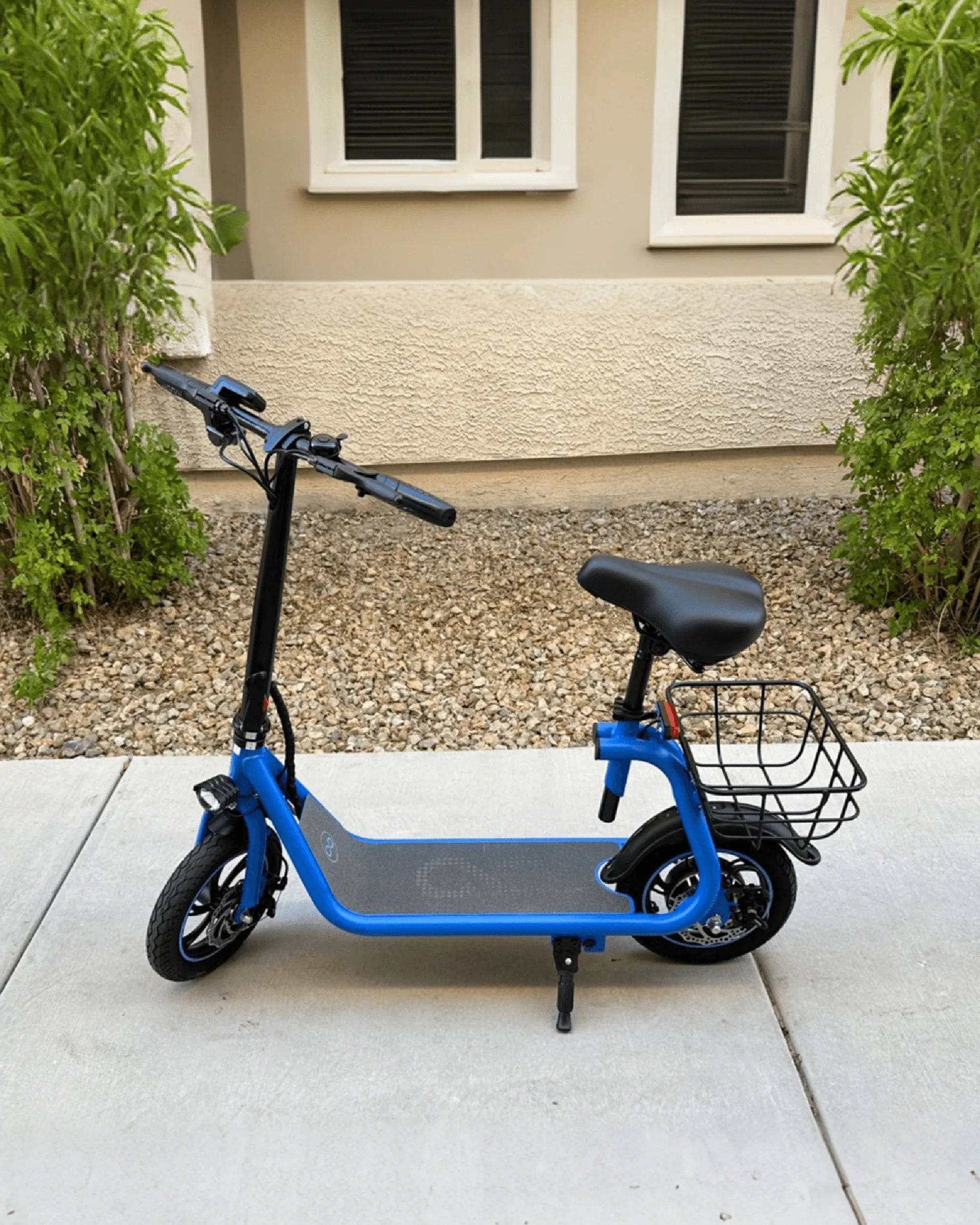
Electric scooters and e-bikes have surged in popularity as eco-friendly alternatives to traditional transportation. But what happens when you want to repurpose an electric scooter battery for your e-bike? The idea might seem convenient, but is it practical—or even safe? Let’s dive into the details.
Understanding Electric Scooter and E-Bike Batteries
Both electric scooters and e-bikes rely on rechargeable batteries, typically lithium-ion, due to their high energy density and longevity. However, the similarities often end there. E-bike batteries are designed to deliver consistent power over longer distances, while scooter batteries prioritize quick bursts of energy for acceleration.
Key Differences Between Scooter and E-Bike Batteries
- Voltage and Capacity: E-bike batteries usually operate at higher voltages (36V, 48V, or 52V) compared to scooter batteries (24V to 36V).
- Form Factor: E-bike batteries are often integrated into the frame or mounted on a rack, while scooter batteries are built into the deck or stem.
- Discharge Rate: Scooter batteries may have a higher discharge rate to support rapid acceleration, whereas e-bike batteries focus on sustained output.
Compatibility: Can You Use a Scooter Battery for Your E-Bike?
Technically, it’s possible to use an electric scooter battery for an e-bike—if the voltage and connectors match. However, several factors must be considered:
1. Voltage and Connector Compatibility
Check if the scooter battery’s voltage aligns with your e-bike’s motor requirements. Mismatched voltages can damage the motor or battery. Additionally, ensure the connectors are compatible or be prepared to modify them.
2. Battery Management System (BMS)
A BMS protects the battery from overcharging, overheating, and deep discharge. Scooter batteries may lack the BMS configuration needed for e-bike use, risking safety hazards.
3. Physical Mounting
Scooter batteries aren’t designed for e-bike frames. You may need custom brackets or modifications to secure the battery properly, which could affect balance and aesthetics.
Safety Considerations
Using a scooter battery for an e-bike isn’t just about compatibility—it’s about safety. Lithium-ion batteries can be dangerous if mishandled. Here’s what to watch for:
- Overheating: Scooter batteries may overheat under prolonged e-bike use due to different discharge rates.
- Water Resistance: E-bike batteries are often weatherproof, while scooter batteries may not be.
- Warranty Void: Modifying or repurposing batteries may void warranties and insurance coverage.
Alternatives to Repurposing Scooter Batteries
If compatibility issues arise, consider these alternatives:
- Purchase a Universal E-Bike Battery: Designed for versatility, these batteries work with multiple e-bike models.
- Upgrade Your E-Bike Battery: Invest in a higher-capacity battery tailored for e-bikes to improve performance.
- Recycle and Replace: Responsibly recycle your scooter battery and buy a dedicated e-bike battery.
Final Thoughts
While repurposing an electric scooter battery for your e-bike might seem like a cost-effective hack, it’s fraught with challenges. Voltage mismatches, safety risks, and physical incompatibilities can turn a simple idea into a costly mistake. Before making the switch, weigh the pros and cons carefully—or better yet, opt for a battery designed specifically for your e-bike. Your ride (and safety) will thank you.
Ready to power up your e-bike the right way? Explore compatible batteries and ride with confidence, knowing you’ve made the safest choice for your electric adventures.
Electric Bike Range Calculator: How to Estimate Your E-Bike's Distance Accurately
Best Electric Scooter in Canacona: Top Picks for Eco-Friendly Commutes