


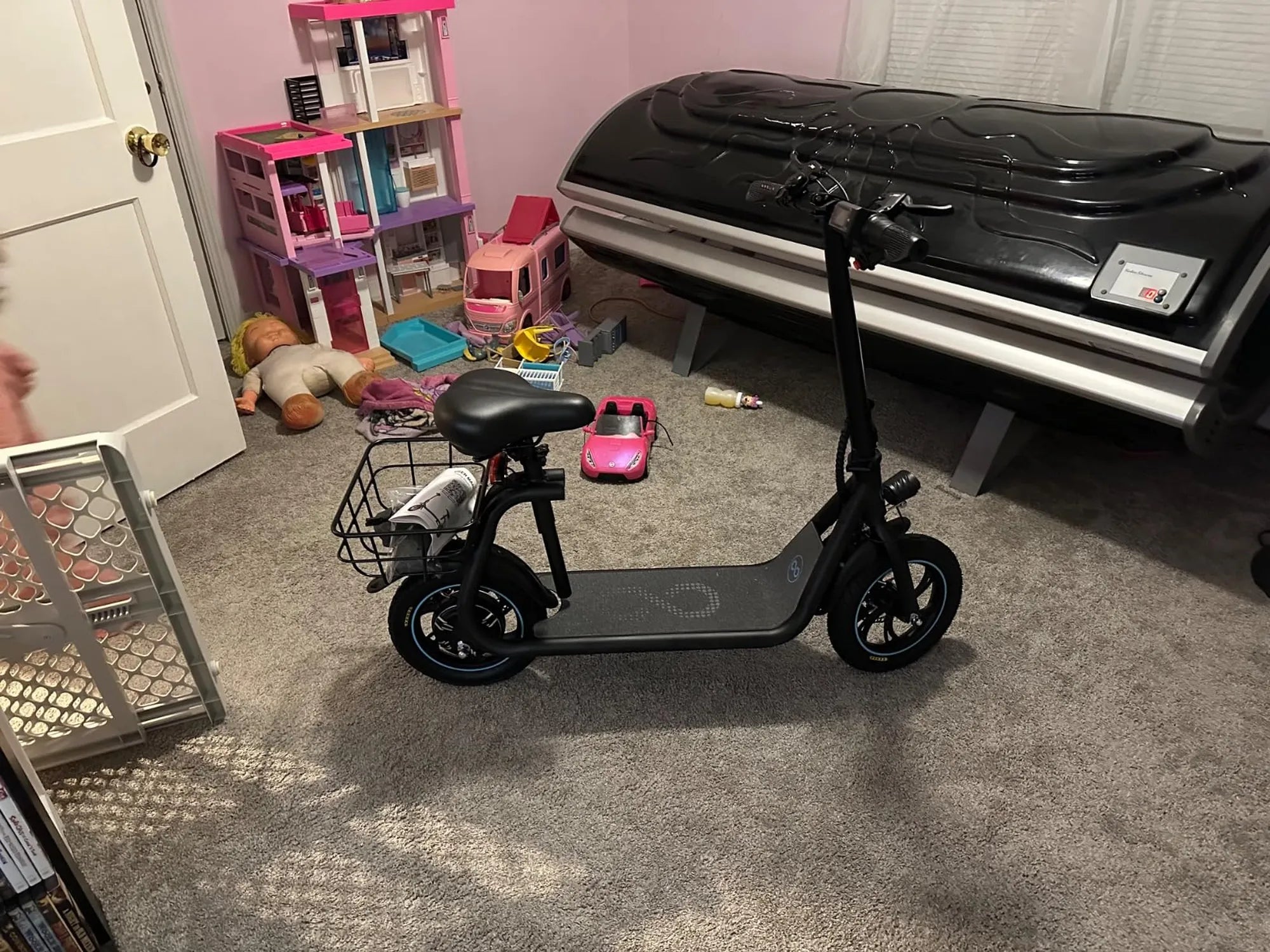
Electric scooters have surged in popularity worldwide as a convenient and eco-friendly mode of transport. But if you're in Scotland, you might be wondering: can you legally ride one? The answer isn't as straightforward as you might think. Let's dive into the regulations, safety considerations, and future prospects of electric scooters in Scotland.
The Legal Status of Electric Scooters in Scotland
Currently, electric scooters fall into a legal gray area in Scotland. Under UK law, they are classified as Personal Light Electric Vehicles (PLEVs), which means they are treated similarly to motor vehicles. This classification brings several restrictions:
- Electric scooters cannot be used on public roads unless they meet specific requirements (e.g., registration, insurance, and a valid license).
- They are also prohibited on pavements and cycle lanes unless part of an approved rental trial.
- Private land use is permitted with the landowner's consent.
These rules stem from the Highway Act 1835 and the Road Traffic Act 1988, which were not designed with modern electric scooters in mind. As a result, riders risk fines or even penalty points on their driving license if caught using them illegally.
Where Can You Ride Electric Scooters in Scotland?
Despite the restrictions, there are some ways to legally use electric scooters in Scotland:
- Approved Rental Schemes: Some cities, like Glasgow and Edinburgh, have introduced trial rental schemes where e-scooters can be used legally in designated areas.
- Private Land: With the landowner's permission, you can ride an electric scooter on private property without legal issues.
- Future Legislation: The Scottish government is reviewing e-scooter laws, and changes could be on the horizon.
If you're considering buying or renting an e-scooter, always check local regulations to avoid penalties.
Safety Considerations for Electric Scooter Riders
Even where e-scooters are permitted, safety should always come first. Here are some key tips:
- Wear a Helmet: While not legally required, a helmet can prevent serious injuries.
- Follow Speed Limits: Rental scooters often have built-in speed restrictions, but private scooters may not.
- Be Visible: Use lights and reflective gear, especially at night.
- Respect Pedestrians: Avoid riding on pavements where prohibited.
By following these guidelines, riders can minimize risks and contribute to safer shared spaces.
The Future of Electric Scooters in Scotland
Scotland, like the rest of the UK, is gradually adapting to the rise of electric scooters. Pilot schemes and ongoing discussions suggest that regulations may evolve to accommodate this growing trend. Potential changes could include:
- Legalizing private e-scooters on roads and cycle lanes under certain conditions.
- Expanding rental schemes to more cities.
- Introducing clearer safety standards and insurance requirements.
For now, riders must navigate the existing rules carefully. But as demand grows, Scotland may soon join other European countries in fully embracing electric scooters as a sustainable transport option.
Whether you're a commuter looking for a faster way to travel or an eco-conscious rider exploring green alternatives, staying informed is key. Keep an eye on updates—Scotland's e-scooter landscape could change sooner than you think!
E Scooter 1000w Whilce: The Ultimate Guide to Power and Performance
How Good Are Electric Scooters: A Comprehensive Guide to Their Benefits and Drawbacks