

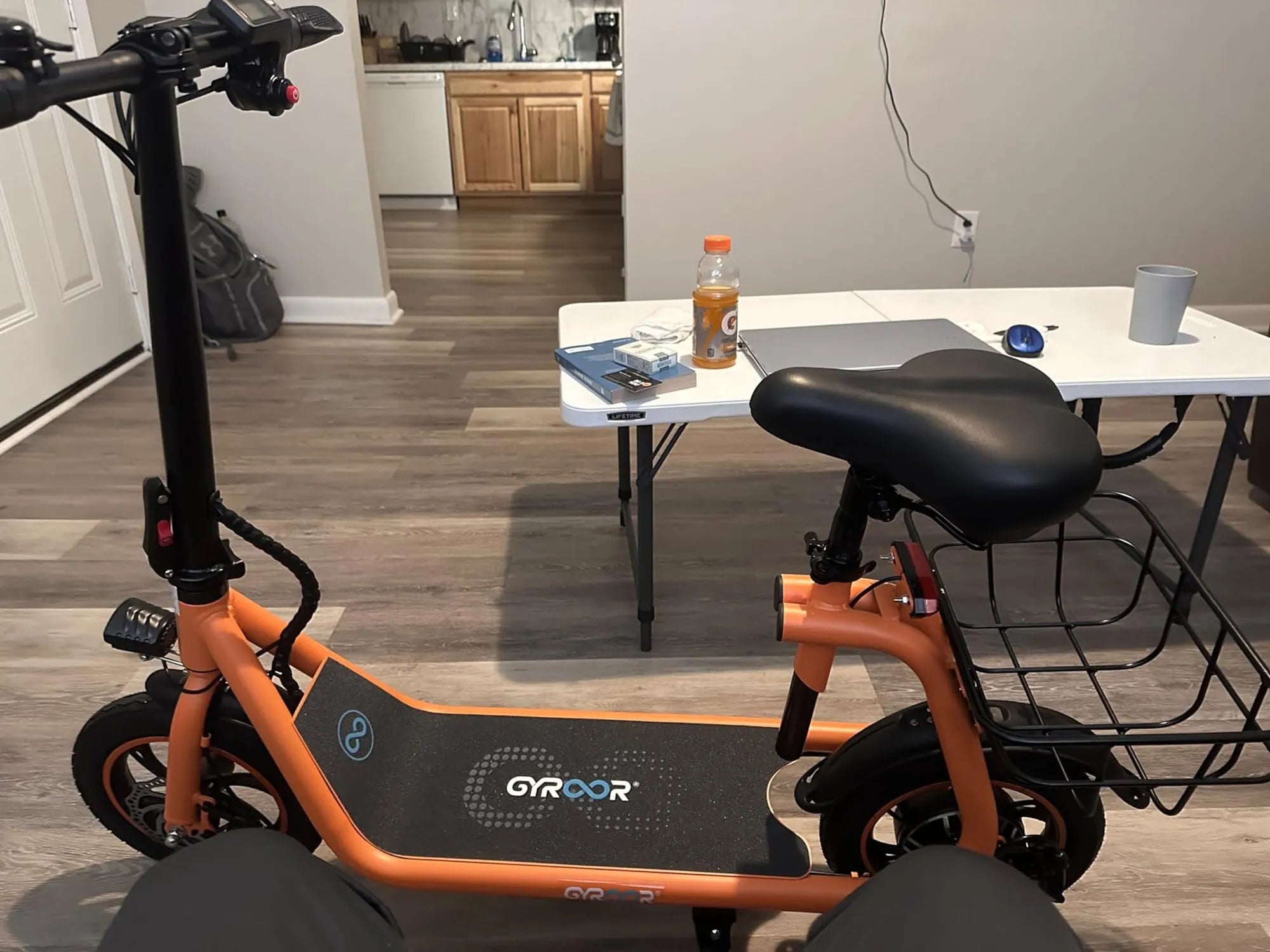
Imagine your electric bike gliding effortlessly up steep hills, accelerating smoothly, and lasting longer between charges. The secret to unlocking this performance might just lie in a small but mighty component: the capacitor for bike battery. While often overlooked, capacitors play a crucial role in optimizing energy storage and delivery systems, making them a game-changer for e-bike enthusiasts and commuters alike.
What Is a Capacitor and How Does It Work?
A capacitor is an electronic component that stores and releases electrical energy rapidly. Unlike batteries, which store energy chemically, capacitors store energy in an electric field between two conductive plates separated by an insulator. This design allows capacitors to charge and discharge much faster than traditional batteries, making them ideal for handling sudden power demands.
Why Use a Capacitor with a Bike Battery?
Integrating a capacitor with your bike battery offers several advantages:
- Improved Power Delivery: Capacitors can provide quick bursts of energy during acceleration or hill climbing, reducing strain on the main battery.
- Extended Battery Life: By handling peak power demands, capacitors prevent excessive discharge cycles that degrade battery health over time.
- Regenerative Braking Efficiency: Capacitors can store energy recovered during braking more efficiently than batteries alone.
- Voltage Stabilization: They help maintain consistent voltage levels, protecting sensitive electronics from power fluctuations.
Types of Capacitors Suitable for Bike Batteries
Not all capacitors are created equal. Here are the most suitable types for bike battery applications:
Supercapacitors (Ultracapacitors)
These high-capacity capacitors can store significantly more energy than traditional capacitors while maintaining rapid charge/discharge capabilities. They're ideal for handling the high-current demands of electric bikes.
Electrolytic Capacitors
While offering less capacity than supercapacitors, electrolytic capacitors are more compact and cost-effective for certain applications where space is limited.
Hybrid Capacitors
Combining features of both supercapacitors and batteries, these offer a balance between energy density and power density.
How to Choose the Right Capacitor for Your Bike Battery
Selecting the appropriate capacitor involves considering several factors:
- Voltage Rating: Must exceed your bike battery's maximum voltage
- Capacity: Measured in farads, should match your power requirements
- Physical Size: Must fit within your bike's available space
- Temperature Range: Should operate effectively in your climate
- Cycle Life: Higher quality capacitors withstand more charge/discharge cycles
Installation and Integration Tips
Proper installation is crucial for optimal performance and safety:
- Always disconnect the battery before working on electrical components
- Use appropriate wiring gauge to handle expected current
- Implement proper insulation to prevent short circuits
- Consider adding a balancing circuit for multiple capacitor setups
- Secure the capacitor firmly to prevent vibration damage
Maintenance and Safety Considerations
While capacitors generally require less maintenance than batteries, some precautions are necessary:
- Regularly inspect for physical damage or swelling
- Monitor temperature during operation
- Check connections periodically for corrosion or looseness
- Discharge capacitors properly before servicing
- Follow manufacturer guidelines for maximum charge/discharge rates
The Future of Capacitors in E-Bike Technology
As capacitor technology advances, we can expect to see even greater integration with bike batteries. Researchers are working on:
- Higher energy density capacitors that could supplement or replace batteries
- Self-healing materials that extend capacitor lifespan
- More efficient regenerative braking systems
- Integrated smart capacitor systems that adapt to riding conditions
Your bike's performance could be just one capacitor away from reaching new heights. Whether you're looking for smoother acceleration, longer battery life, or better hill-climbing power, understanding and implementing capacitor technology might be the upgrade your e-bike needs to outperform the competition and provide a more enjoyable riding experience.
Electric Folding Mountain Bike UK: The Ultimate Guide to Off-Road Adventures
Battery Free Electric Bike: The Future of Sustainable Transportation