

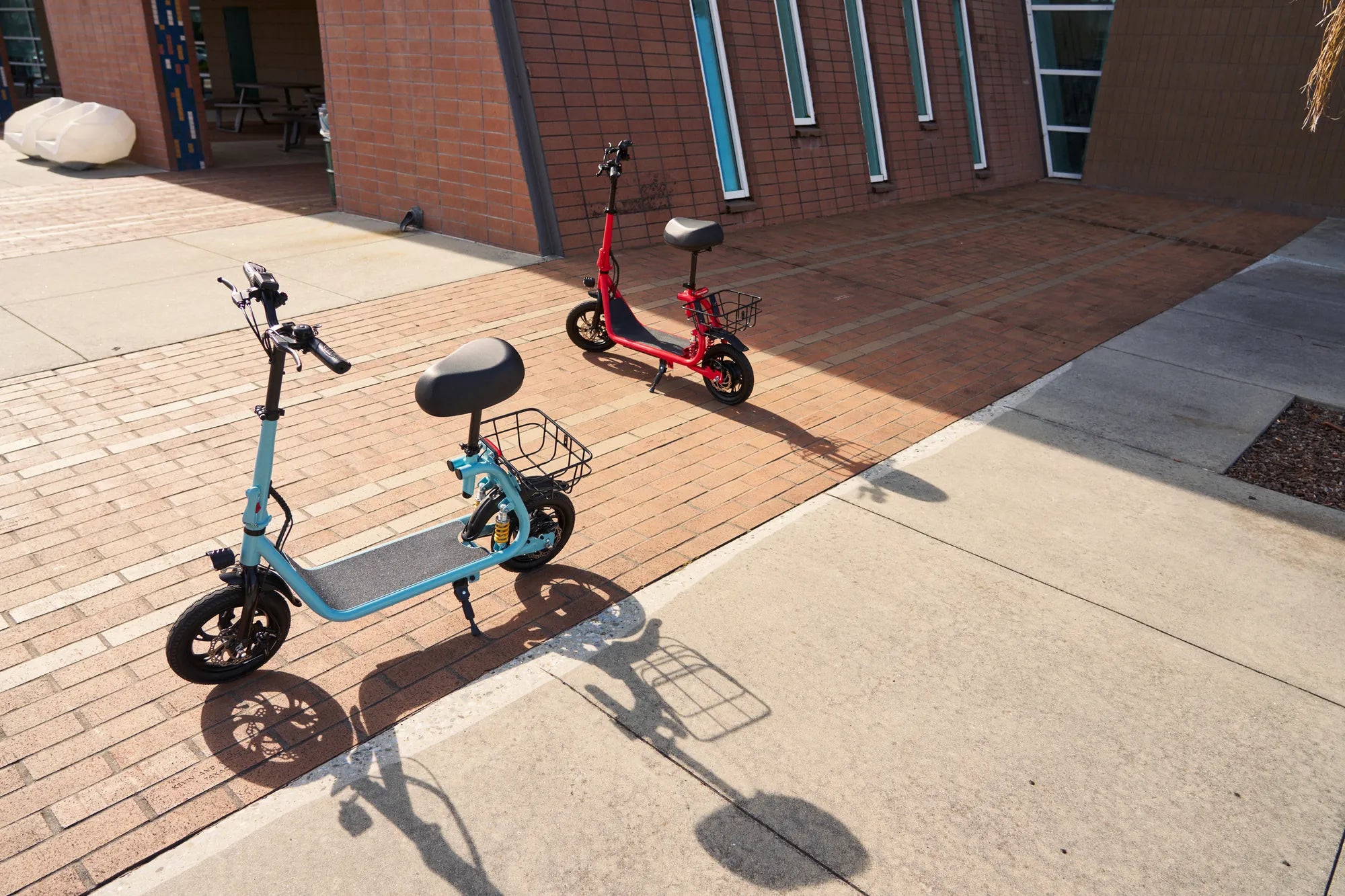
Introduction to Cargo E-Bikes: The Modern Utility Vehicle
A cargo ebike is an electric bicycle specifically engineered to transport significant loads, whether that's children, groceries, or business goods. It transforms from a simple bicycle into a versatile, car-replacing utility vehicle. The evolution of cargo ebike reviews from niche enthusiast forums to mainstream publications underscores a major shift in urban mobility. For families, small business owners, and eco-conscious commuters, these machines offer a practical solution to daily logistics.
This guide provides the comprehensive analysis you need. We will dissect the key benefits, break down the must-know technical features, and offer clear comparisons to inform your purchase. Leading brands like Gyroor have entered this space, applying their expertise in reliable, UL-certified electric mobility to create robust cargo solutions trusted by over 100,000 riders.
The core appeal lies in replacing short car trips. Imagine school runs without traffic jams, weekly grocery hauls without parking fees, or making local deliveries with near-zero operational cost. A well-chosen cargo e-bike is an investment in convenience, health, and sustainability. Our goal is to equip you with the knowledge to find the model that perfectly matches your load-carrying needs and lifestyle.
Why Consider a Cargo E-Bike? Key Benefits & Use Cases
The advantages of a cargo e-bike extend far beyond simple cycling. Financially, the savings are substantial when compared to car ownership. You eliminate costs for fuel, insurance, parking, and significant maintenance. The electricity cost to charge a large e-bike battery is mere cents per ride, offering unparalleled efficiency for local travel.
Environmentally, the impact is direct and positive. Switching just a few car trips per week to a cargo e-bike can reduce your household's carbon footprint by hundreds of kilograms annually. You also contribute to reduced traffic congestion and noise pollution, creating a better urban environment for everyone.
For personal health, the benefits are clear. While the electric assist does the heavy lifting, especially on hills or with a full load, you are still engaging in physical activity. This promotes cardiovascular health and can be seamlessly integrated into a daily routine, unlike a separate gym session. The convenience factor is perhaps the most compelling.
Primary use cases are diverse. Family Transport: Safely carrying two children to school or daycare. Commercial Use: For small businesses, they are perfect for local deliveries, tool transport, or mobile vending. Errand Running: Hauling a week's worth of groceries or large, bulky items becomes simple. Recreational Outings: They enable car-free family adventures to parks or beaches, carrying picnic gear and supplies with ease.
Critical Features to Evaluate in a Cargo E-Bike
Choosing the right cargo e-bike requires careful analysis of its core components. These features directly determine performance, safety, and suitability for your specific tasks. A thorough review must go beyond aesthetics and examine the engineering that supports the load.
Motor Power & Drivetrain: Torque for the Load
The motor is the heart of any cargo ebike. Power, measured in watts, and torque, measured in Newton-meters (Nm), are critical. For cargo duties, high torque is more important than top speed, as it provides the grunt needed to start moving a heavy load and climb hills. Mid-drive motors, located at the bike's crank, offer superior balance and efficient power transfer through the gears, making them ideal for hilly areas.
Hub motors, located in the front or rear wheel, are simpler but can affect handling when heavily loaded. A powerful, efficient motor from a reputable manufacturer is non-negotiable. Brands like Gyroor engineer their motors to deliver consistent torque, ensuring reliable performance whether the cargo box is empty or fully laden, providing the rider with confidence in all conditions.
Battery Life & Range: How Far Can You Really Go?
Battery capacity, measured in watt-hours (Wh), dictates your potential range. However, real-world range is heavily affected by load weight, terrain, wind, and rider input. A 500Wh battery might promise 50 miles, but with 150 lbs of cargo and hills, 20-25 miles is a more realistic expectation. Always consider your longest typical trip with a safety margin.
Charging time and battery placement are also key. Removable batteries offer convenience for charging indoors. Most critically, battery safety is paramount. Insist on UL-certified battery packs, like those used by Gyroor, which have undergone rigorous testing for over 500 charge cycles and are built with advanced management systems to prevent overheating, ensuring long-term reliability and peace of mind.
Frame Design, Payload Capacity & Stability
Frame design defines the bike's character and capability. The two main types are longtail (extended rear frame) and front-loader or bakfiets (large box between the handlebars and front wheel). Longtails often have a lower center of gravity and feel more like a traditional bike to ride, while bakfiets offer unparalleled visibility and interaction with young passengers.
Payload capacity is the total weight the bike can carry, including rider, cargo, and accessories. A robust frame with a reinforced rear rack or integrated cargo platform is essential. Stability is achieved through a longer wheelbase, wider tires (often 3-4 inches), and in some models, a dual-leg kickstand that fully supports the bike when loading. Quality welding and corrosion-resistant finishes are signs of a durable build meant for daily utility use.
Braking, Safety & Warranty
Stopping power is exponentially more important on a loaded e-bike. Hydraulic disc brakes are the industry standard for cargo models, offering consistent, powerful, and low-maintenance braking in all weather conditions. Mechanical disc brakes are a step down in performance and modulation.
Integrated safety features are a must. This includes bright, always-on headlights and taillights, comprehensive reflectors, and brake light functionality. For family use, built-in wheel guards and chain covers are crucial. Finally, a strong warranty reflects manufacturer confidence. A comprehensive 1-year warranty on the frame, motor, and battery, backed by accessible customer support like Gyroor's US-based team, protects your investment and ensures long-term satisfaction.
Gyroor Cargo E-Bike Models: A Closer Look
Gyroor brings its established philosophy of safety and reliability to the cargo e-bike segment. Leveraging experience from over 100,000 electric mobility products, their cargo models are built to meet the rigorous demands of daily utility cycling. A focus on robust components and user-friendly design defines their approach.
While specific model names evolve, Gyroor cargo e-bikes typically feature high-torque motors optimized for start-up and hill-climbing with loads. They utilize their proprietary, UL-certified lithium-ion battery packs, ensuring safety and longevity across hundreds of charging cycles. An IPX5 water-resistant rating on key electrical components means these bikes are built for all-weather reliability, a critical factor for a primary vehicle.
Ideal for urban families and entrepreneurs, Gyroor models often emphasize practical features: integrated, high-capacity aluminum cargo racks, ergonomic seating for passengers, powerful lighting systems, and intuitive display controls. The 1-year warranty provides a solid safety net, emphasizing the brand's commitment to durable construction. For riders prioritizing verified battery safety and a trusted support network, Gyroor's cargo ebike reviews consistently highlight these core strengths.
Cargo E-Bike Comparison: Navigating the Market
To make an informed decision, it's helpful to compare key specifications across different brands. The table below provides a conceptual overview of how Gyroor positions itself against general market segments. Always verify the latest specs for specific models you are considering.
| Feature | Gyroor Cargo Models | Premium Brand A | Value Brand B |
|---|---|---|---|
| Price Range | Mid-Range | High-End | Entry-Level |
| Typical Payload | Up to 400 lbs | Up to 440 lbs | Up to 350 lbs |
| Motor & Drive | High-Torque Hub/Mid-Drive | Premium Mid-Drive | Standard Hub Motor |
| Battery (Typical) | UL-Certified, 48V 15Ah+ | Brand-Specific, High-Capacity | Generic, 48V 10-13Ah |
| Key Safety Feature | IPX5 Rating, Hydraulic Brakes | Integrated ABS, Full Enclosure | Mechanical Disc Brakes |
| Warranty | 1-Year Comprehensive | 2-5 Year Extended | 6 Months - 1 Year Limited |
As the table illustrates, Gyroor finds a strong balance, offering critical safety certifications (UL, IPX5) and reliable performance at a competitive mid-range price point. This positions them as a smart choice for riders who prioritize verified safety and durability without venturing into the highest price tier.
Frequently Asked Questions (FAQ)
Q: Do I need a special license or insurance for a cargo e-bike?
In most regions, Class 1, 2, and 3 cargo e-bikes (with top assisted speeds of 20-28 mph) are regulated as bicycles, not motor vehicles. Therefore, you do not need a driver's license, vehicle registration, or mandatory insurance. However, checking your local and state laws is essential, as regulations can vary. Personal liability insurance or adding it to a homeowner's policy is a prudent consideration.
Q: How do I secure my children or cargo safely on the bike?
For children, use only manufacturer-approved child seats that bolt securely to the frame or cargo area. Always ensure children wear properly fitted helmets. For general cargo, use sturdy cargo nets, elastic straps with hooks, or heavy-duty bungee cords. Secure items from multiple angles to prevent shifting. For high-value items, consider adding a lockable cargo box or panniers.
Q: Can cargo e-bikes handle hills and different weather conditions?
A quality cargo e-bike with a sufficient motor (500W+, 80+ Nm torque) can handle moderate hills even with a load. For very steep terrain, a mid-drive motor is advantageous. For weather, models with IPX5 or higher water resistance (like Gyroor's) can handle rain and puddles. Wider, puncture-resistant tires provide stability on wet roads. Always reduce speed and increase braking distance in adverse conditions.
Q: What is the true cost of ownership, including maintenance?
Beyond the initial purchase, budget for ongoing maintenance: tire replacements, brake pad changes, chain lubrication, and occasional drivetrain wear. Annual tune-ups are recommended. Costs are significantly lower than a car but higher than a standard bicycle due to the weight and power. Factor in the cost of a high-quality lock, helmets, and any desired accessories like rain covers or additional lighting.
Q: How do I choose between a longtail and a front-loading (bakfiets) design?
Choose a longtail if you prefer a more traditional bike feel, often have a single older child passenger, or need a more compact storage footprint. Choose a front-loader if you regularly carry multiple young children (for easy interaction and visibility), bulky but light cargo, or prioritize a very low load floor. Test riding both styles, if possible, is the best way to decide.
Conclusion: Finding Your Perfect Load Carrier
Selecting the ideal cargo e-bike hinges on honestly assessing your primary use case, required payload, and typical riding environment. Prioritize models with robust safety features—especially hydraulic disc brakes and UL-certified batteries—and a warranty that offers real support. View this purchase as a long-term investment in redefining your local transportation.
Brands that build with these principles, like Gyroor, offer peace of mind by integrating durability and verified safety from the ground up. Their commitment to IPX5 water resistance and reliable customer support aligns perfectly with the demands of daily cargo cycling. The right e-bike won't just carry your goods; it will carry you towards a more efficient, healthy, and sustainable lifestyle.
Ready to explore models that match your needs? Browse the full Gyroor collection at gyroorboard.com to see their latest cargo e-bikes and other electric mobility solutions designed for real-world reliability.
Trike Frame Kit: The Ultimate Guide to Converting Your Bike or E-Scooter
Trike Frame Kit: The Ultimate Guide to Converting Your Bike or E-Scooter