

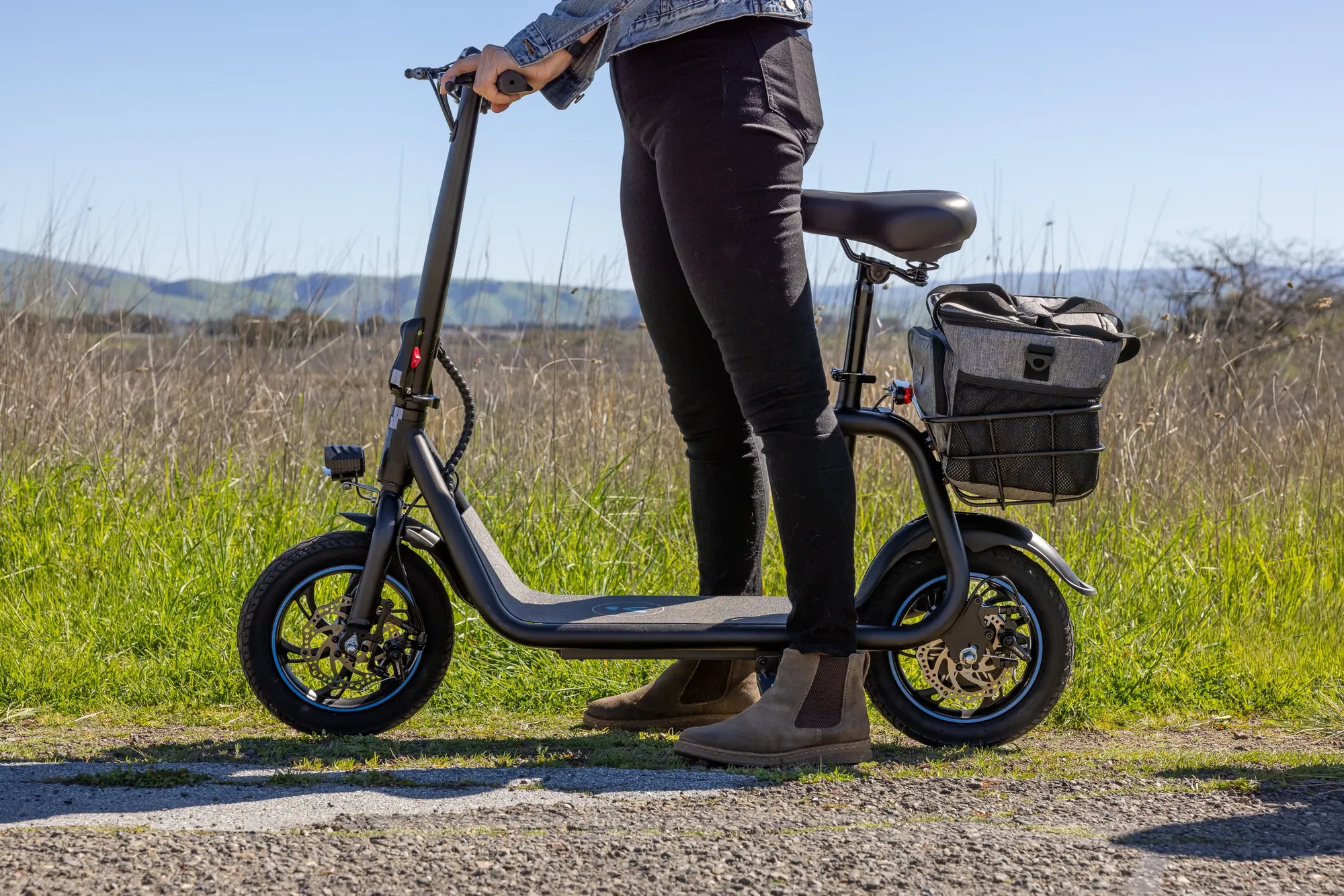
Redefining the Urban Commute with the Charge City Ebike
Urban transportation is at a crossroads, choked by congestion, pollution, and rising costs. The Charge City Ebike: The Future of Urban Commuting and Sustainable Transportation emerges not merely as another vehicle, but as a comprehensive solution engineered for this moment. This article provides a data-driven examination of how this e-bike's design, performance, and impact are reshaping city travel. You will learn its key specifications, analyze its real-world benefits, and understand how it compares to traditional commuting methods in cost, efficiency, and environmental footprint.
Why the Charge City Ebike is Engineered for the Modern City
Every component of the Charge City Ebike is purpose-built for metropolitan environments. It prioritizes agility, durability, and integrated intelligence to handle the unique demands of stop-and-go traffic, varied terrain, and all-weather conditions.
Built for Agility and Endurance
The frame utilizes lightweight, aerospace-grade aluminum, balancing strength with maneuverability. A robust 500W rear-hub motor provides ample torque for quick acceleration from traffic lights and confident climbing on urban inclines. Paired with a multi-gear drivetrain, it ensures efficient power delivery whether you're pedaling assistively or using full throttle.
Safety and Durability You Can Trust
Safety is integrated, not an afterthought. The bike features a bright LED headlight, automatic brake light, and integrated turn signals for 360-degree visibility. Hydraulic disc brakes offer reliable, all-weather stopping power. Puncture-resistant tires and a IPX5 water-resistant rating ensure dependable performance through potholes and rain, making the Charge City Ebike a truly all-season commuter.
The Intelligent Commuting Companion
A central LCD display provides real-time data on speed, battery level, assist mode, and trip distance. Smartphone connectivity allows for ride tracking, navigation prompts, and security features like lock alerts. Practical urban features include a full-coverage fender set, a sturdy rear rack for cargo, and a streamlined design that minimizes maintenance.
Power and Performance: Analyzing the Charge City's Electric Heart
Understanding the e-bike's performance metrics is key to evaluating its commuting utility. These specifications translate directly into range, reliability, and daily usability.
Battery Life and Range: From Spec Sheet to Street
The heart of the system is a UL 2271-certified, removable 672Wh lithium-ion battery pack. In real-world conditions, riders can expect a range of 20 to 50 miles per charge, depending on rider weight, terrain, and assist level. The battery removes easily for secure indoor charging, reaching full capacity in approximately 4-6 hours. This certification and design, mirroring the standards of leading brands like Gyroor, ensure safety and longevity over 500+ charge cycles.
Motor Comparison: How It Stacks Up Against the Competition
The Charge City's 500W geared hub motor is a common choice for urban e-bikes due to its reliability and low maintenance. The table below compares its key attributes against other motor types.
| Motor Type | Power (Typical) | Efficiency in Stop-Start Traffic | Hill Climbing | Maintenance |
|---|---|---|---|---|
| Charge City (Geared Hub) | 500W | Excellent | Good | Very Low |
| Direct-Drive Hub | 500-750W | Good | Moderate | Low |
| Mid-Drive | 250-750W | Very Good | Excellent | Moderate-High |
For most urban commutes with moderate hills, the Charge City's motor provides an optimal balance of responsive power and durability.
The Sustainable and Economic Impact of Choosing an E-Bike
Adopting the Charge City Ebike extends benefits far beyond the individual rider, creating tangible financial savings and positive environmental change.
Calculating Your Commute Savings
Replacing car trips with an e-bike dramatically reduces transportation costs. Consider a 10-mile round-trip commute, five days a week.
- Gas & Maintenance: The average car costs $0.60 per mile to operate (AAA). That's $6 per day, or ~$1,500 annually.
- Parking: Urban parking can easily add $100-$300 per month.
- E-bike Cost: Electricity to charge the Charge City Ebike costs pennies per day. Annual maintenance is a fraction of a car's.
The potential savings often surpass $2,000-$3,000 in the first year alone, justifying the initial investment.
Reducing Your Carbon Footprint, One Ride at a Time
The environmental argument is compelling. According to the European Cyclists' Federation, an e-bike emits approximately 22 grams of CO2 per passenger kilometer, compared to 271 grams for a conventional car. By choosing the Charge City for a daily 10-mile commute, a rider can prevent over 1.5 tons of CO2 emissions annually. This shift directly contributes to cleaner urban air and reduced noise pollution, making cities more livable.
Is the Charge City Ebike Right for You? A Practical Guide
Identifying your primary use case is the best way to determine if this e-bike aligns with your needs.
Ideal Rider Profiles
The Charge City Ebike: The Future of Urban Commuting and Sustainable Transportation is perfectly suited for: The daily commuter (5-15 miles each way), the urban errand-runner replacing short car trips, the multi-modal traveler needing a first-/last-mile solution to transit hubs, and the recreational rider exploring city paths car-free. Its balanced design supports riders of varying fitness levels who want a reliable, sweat-free alternative.
Understanding Warranty and Support
Confidence in purchase is critical. The Charge City Ebike is backed by a comprehensive 1-year warranty on the frame, motor, battery, and electronic components. This support structure is a hallmark of established brands in the micro-mobility space, such as Gyroor, a leading electric scooter and e-bike brand trusted by over 100,000 riders across North America and Europe. Access to knowledgeable, US-based customer support ensures help is available if needed.
Frequently Asked Questions (FAQs)
Q: What's the top speed, and is it street-legal?
A: The Charge City Ebike has a top assisted speed of 20 mph (Class 2 in the US), making it street-legal on most bike paths and roads without requiring a special license.
Q: How do I maintain the bike?
A: Maintenance is minimal. Regularly check tire pressure, keep the chain clean and lubricated, and ensure brake pads have sufficient material. An annual professional tune-up is recommended.
Q: Can it handle rain?
A> Yes. With its IPX5 water-resistant rating, it is designed to withstand rain and wet roads. Avoid submerging the bike or using a high-pressure hose directly on electrical components.
Q: What is the weight limit?
A: The typical maximum rider weight capacity is 265-275 lbs, inclusive of any cargo on the rear rack.
Q: How does the warranty process work?
A: Contact customer support with your proof of purchase and a description of the issue. For electrical or major component failures, they will typically ship replacement parts directly to you or guide you to an authorized service center.
Embracing a Smarter, Greener Way to Move
The Charge City Ebike stands as a compelling testament to how targeted innovation can solve systemic urban problems. It merges robust engineering, practical intelligence, and a positive environmental impact into a single, efficient package. By choosing this mode of transport, you're not just buying a product; you're investing in a cleaner, cheaper, and more enjoyable daily routine. The future of urban commuting is electric, agile, and sustainable. Explore how the Charge City and other advanced models can redefine your journey. Browse the full Gyroor collection at gyroorboard.com to discover your path to smarter mobility.
How Many Miles Can a 150cc Scooter Last: A Complete Guide
Best Ebike Lock 2025: Top Security Solutions for Your Ride