

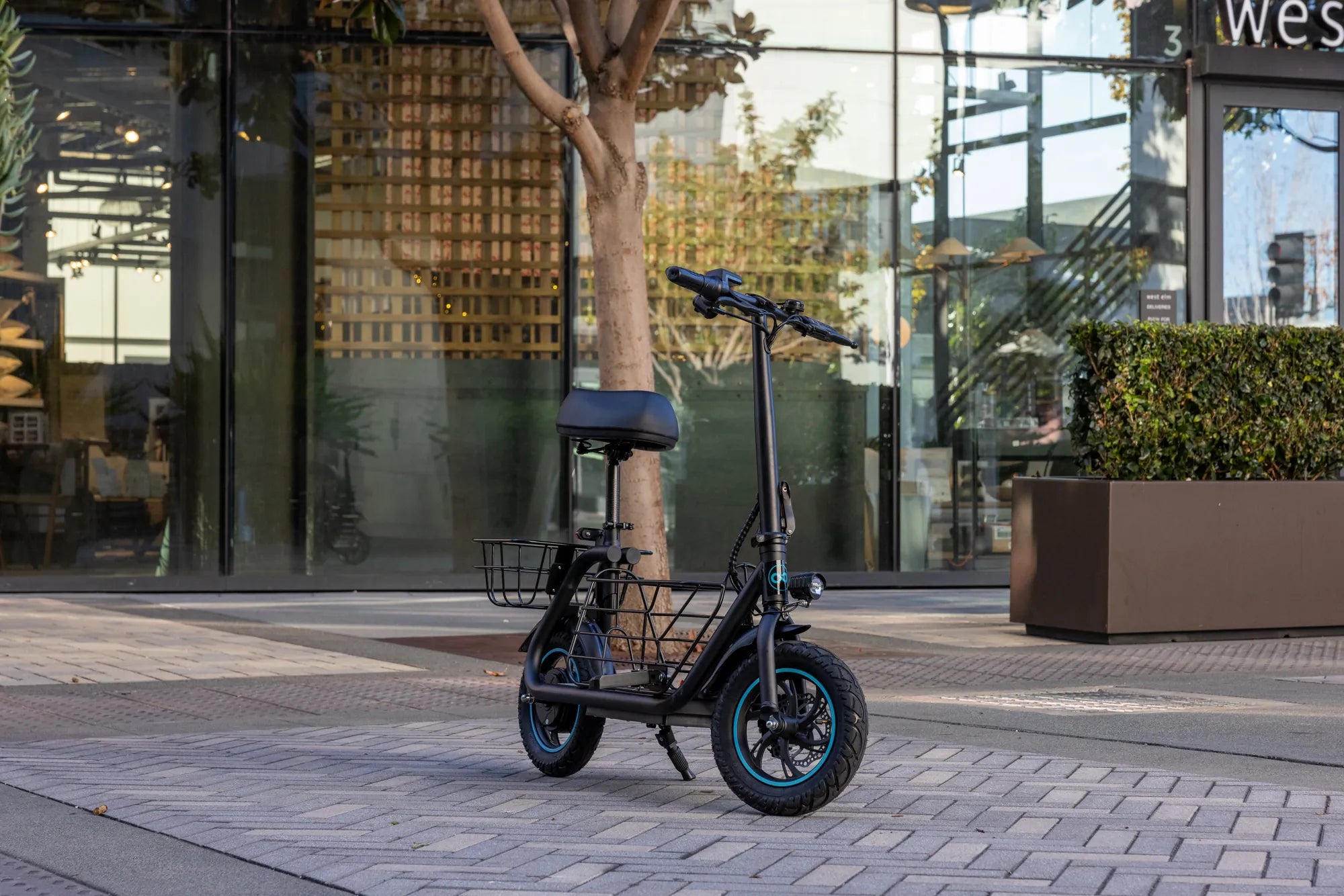
Keeping your mobility scooter running smoothly starts with proper battery care. Whether you rely on your scooter daily or use it occasionally, understanding how to charge its batteries correctly can make all the difference in performance and longevity. Let’s dive into the essentials of charging mobility scooter batteries the right way.
Understanding Mobility Scooter Batteries
Mobility scooters typically use one of two types of batteries: sealed lead-acid (SLA) or lithium-ion. Each has its own charging requirements and lifespan. SLA batteries are more affordable but require regular maintenance, while lithium-ion batteries are lighter, last longer, and often come with built-in management systems.
Best Practices for Charging
To maximize battery life, follow these charging tips:
- Charge Regularly: Avoid letting the battery drain completely. Frequent top-ups are better than deep discharges.
- Use the Right Charger: Always use the charger provided by the manufacturer or one that meets the same specifications.
- Avoid Overcharging: Unplug the charger once the battery is fully charged to prevent damage.
- Charge in a Cool, Dry Place: Extreme temperatures can reduce battery efficiency and lifespan.
Common Charging Mistakes to Avoid
Many users unknowingly shorten their battery’s lifespan by making these errors:
- Leaving the Battery Discharged: Storing a scooter with a dead battery can cause irreversible damage.
- Using Incompatible Chargers: Cheap or incorrect chargers can overheat the battery or fail to charge it properly.
- Ignoring Battery Warnings: If your scooter shows signs of slow charging or reduced range, address the issue promptly.
Extending Battery Lifespan
Beyond charging habits, these steps can help prolong your battery’s life:
- Store Properly: If not using the scooter for extended periods, store the battery at a 50-70% charge level.
- Clean Terminals: Corrosion on battery terminals can hinder performance. Clean them periodically with a damp cloth.
- Monitor Performance: Keep track of charging cycles and range to spot early signs of wear.
When to Replace Your Battery
Even with proper care, batteries don’t last forever. Signs it’s time for a replacement include:
- Significantly reduced range per charge
- Longer charging times
- Visible swelling or leaks (for SLA batteries)
By following these guidelines, you can ensure your mobility scooter remains reliable for years to come. Ready to take the next step in battery care? Start implementing these tips today and enjoy a smoother, longer-lasting ride!
Super 73 E Bike Price: What You Need to Know Before Buying
Rad Folding Ebike: The Ultimate Urban Commuting Solution