



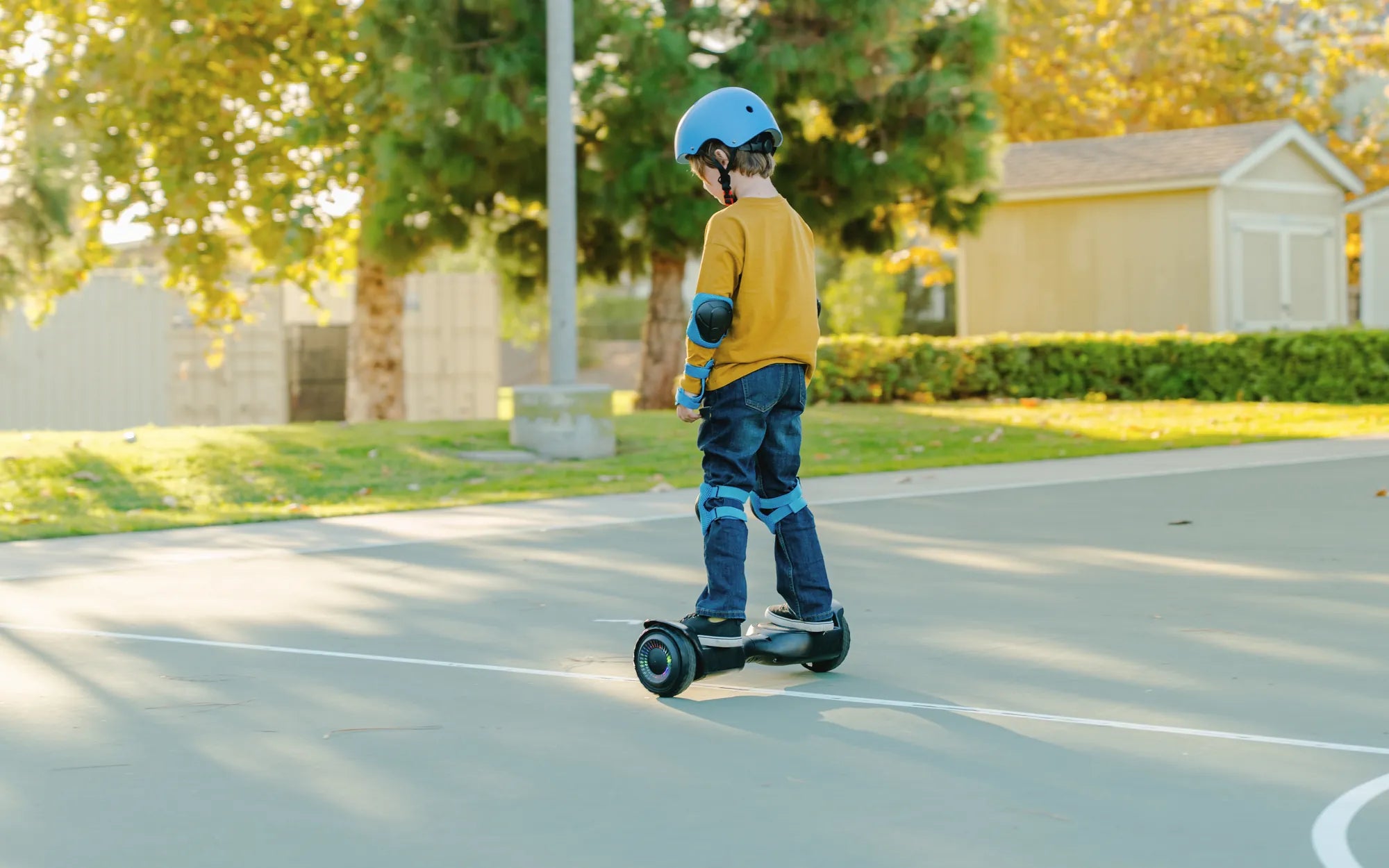
Ever dreamed of gliding around on your very own hoverboard but balked at the high price tags? What if you could build a cheap hoverboard homemade with just a few tools and materials? This guide will walk you through the process, from gathering parts to assembling your DIY hoverboard. Get ready to impress your friends and save money while doing it!
Why Build a Homemade Hoverboard?
Commercial hoverboards can cost hundreds or even thousands of dollars, but a homemade version can be assembled for a fraction of the price. Building your own also allows for customization, ensuring your hoverboard fits your style and needs perfectly. Plus, the satisfaction of riding something you built yourself is unbeatable.
Materials You'll Need
Before diving into construction, gather these essential materials:
- Two small electric motors
- Lithium-ion battery pack
- Gyroscopic sensors
- Pressure-sensitive foot pads
- Lightweight frame (plastic or aluminum)
- Wheels or hoverboard-specific components
- Wiring and connectors
Step-by-Step Assembly Guide
Step 1: Build the Frame
Start by constructing a lightweight frame that can support your weight. Cut and shape your chosen material into two foot platforms connected by a central pivot. Ensure the frame is sturdy but not overly heavy.
Step 2: Install the Motors
Attach the electric motors to each side of the frame, ensuring they are securely mounted. Connect them to the wheels or hover mechanisms, depending on your design.
Step 3: Wire the Electronics
Connect the gyroscopic sensors to the motors and battery pack. These sensors will detect your movements and adjust the motors accordingly. Secure all wiring to prevent tangling or damage.
Step 4: Add the Foot Pads
Install pressure-sensitive foot pads on top of the frame. These will communicate with the gyroscopic sensors to control speed and direction based on your foot placement.
Step 5: Test and Adjust
Before taking your hoverboard for a full ride, test it in a safe, open area. Make any necessary adjustments to the sensors or motor responsiveness to ensure smooth operation.
Safety Tips
Building a homemade hoverboard comes with risks. Always wear protective gear, such as a helmet and knee pads, when testing your creation. Double-check all electrical connections to avoid short circuits, and never exceed the battery's recommended voltage.
Cost Breakdown
A commercial hoverboard can cost between $300 and $1,000, but a homemade version can be assembled for as little as $150-$250, depending on the quality of parts you choose. Shopping for used or discounted components can further reduce costs.
Customization Ideas
One of the best parts of building your own hoverboard is the ability to customize it. Consider adding LED lights for a cool nighttime effect, or paint the frame in your favorite colors. You could even experiment with different wheel types for varied terrain.
Ready to take the plunge and build your own cheap hoverboard homemade? With a bit of patience and creativity, you'll be cruising in style without emptying your wallet. Happy building—and even happier riding!
Best Priced 200 Watt Hoverboard: Top Picks for Budget-Conscious Riders
Bright Blue Hoverboard Cover Cheap: The Ultimate Guide to Stylish and Affordable Protection