



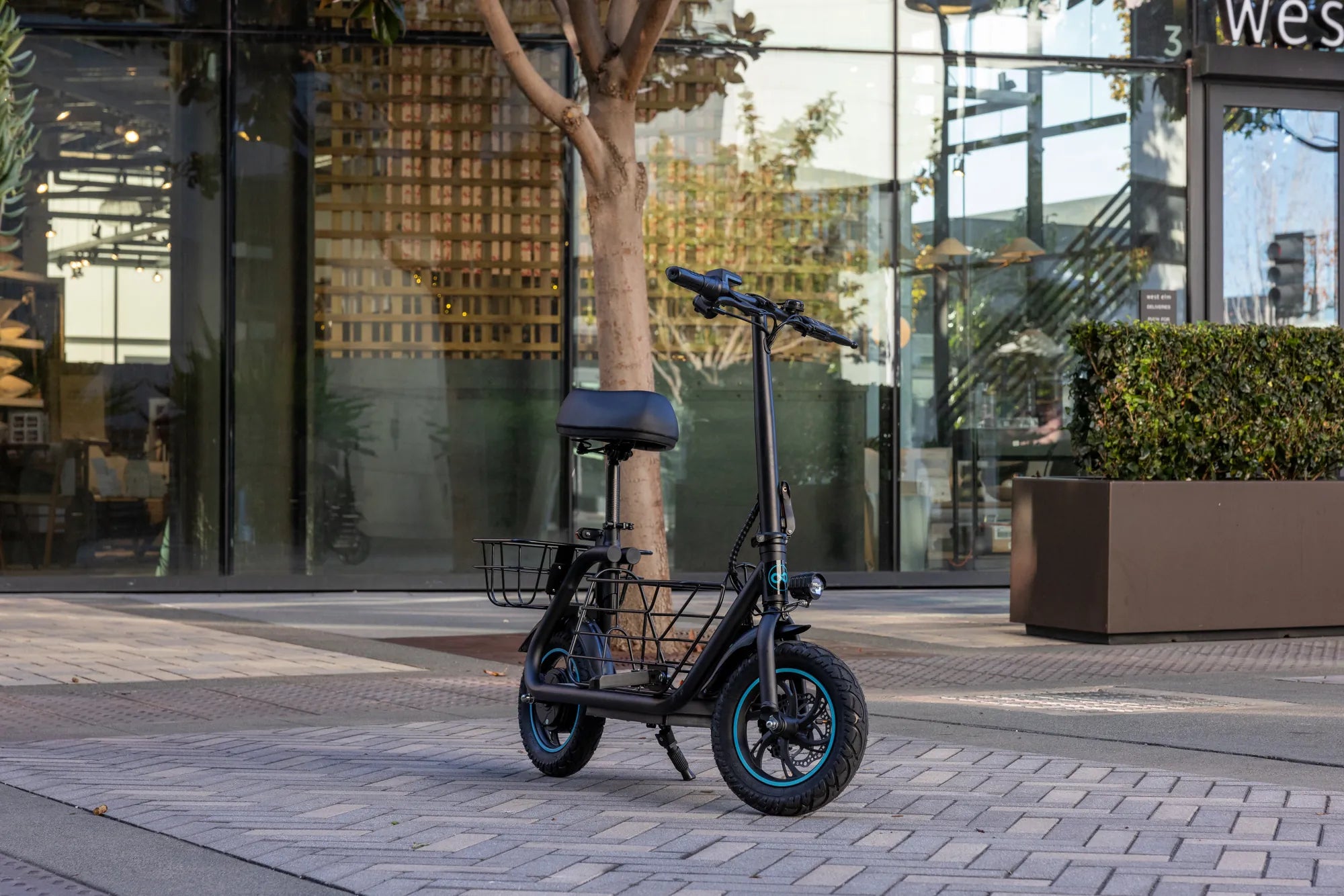
Introduction: The True Cost of "Cheap" Scooter Tires
Finding cheap scooter tires is a common goal for riders looking to cut costs. However, the term "cheap" requires careful definition. It often refers solely to a low initial purchase price, neglecting long-term value and critical safety implications. Your scooter's tires are its only point of contact with the ground, directly influencing traction, braking, stability, and ride comfort. Choosing a tire based on price alone can lead to higher overall costs and increased risk.
This article provides a factual, data-driven analysis of the scooter tire market. We will dissect what you are actually paying for, expose the hidden expenses of budget options, and offer a strategic guide for finding genuine value. The goal is to equip you with the knowledge to make an informed decision that prioritizes safety and performance, ensuring your investment in a quality scooter like those from Gyroor is not compromised by substandard components.
Anatomy of a Scooter Tire: What You're Actually Paying For
A scooter tire is a sophisticated piece of engineering, not just a ring of rubber. Its price is determined by the materials and construction methods used. The primary component is the rubber compound, a specific blend of natural and synthetic rubbers, oils, and additives. Premium compounds offer better grip, especially in wet conditions, and resist wear and cracking for longer periods. Budget tires often use harder, less sophisticated compounds to cut costs, leading to quicker wear and reduced traction.
The internal structure, or casing, is equally important. It is defined by its ply rating, which indicates the number of fabric layers (plies) that provide strength and shape. Higher ply ratings generally mean a more durable tire that can better resist impacts and deformations. Many quality tires also include a puncture-resistant belt, often made of Kevlar or a similar high-strength material, placed between the tread and the casing to stop sharp objects from reaching the inner tube.
Tread pattern design is a critical factor for performance. Street tires have shallower, more continuous treads for low rolling resistance and quiet operation on pavement. Off-road or all-terrain tires feature deeper, more aggressive knobs for loose surface grip. A well-designed pattern also channels water away to prevent hydroplaning. The manufacturing precision required for effective tread patterns adds to the cost.
Finally, the choice between tube-type and tubeless systems affects price and performance. Tubeless tires, which form an airtight seal with the rim, are generally more expensive but offer benefits like the ability to self-seal small punctures and run at lower pressures for comfort. Understanding these components reveals why a high-quality tire commands a higher price; you are paying for advanced materials, research, and manufacturing precision that directly translate to safety and longevity.
The Hidden Expenses of Budget Tires
The initial savings from cheap scooter tires are frequently offset by numerous hidden costs over the tire's lifecycle. The most direct expense is accelerated wear. Inferior rubber compounds and thinner tread depths mean budget tires often need replacement 2-3 times more frequently than a premium counterpart. When you factor in the cost of multiple replacements and the labor or time involved, the "cheap" tire becomes the more expensive long-term option.
Safety-related costs pose a far greater risk. Budget tires have a significantly higher likelihood of punctures and blowouts due to weaker casings and the absence of puncture-resistant layers. A sudden flat tire at speed can lead to loss of control, resulting in personal injury and potential damage to your scooter's rims, fenders, or electronics. The cost of medical treatment or scooter repairs dwarfs any initial savings on tires.
Performance deficiencies also carry a cost. Poor wet-weather traction increases stopping distances and the risk of skidding. Reduced grip during cornering compromises stability. For riders of performance-oriented electric scooters, like many Gyroor models, using tires that cannot handle the motor's torque and higher speeds undermines the vehicle's engineered safety profile. It creates a mismatch where a high-quality, UL-certified battery and robust frame are let down by the weakest link: the tires.
Smart Shopping: How to Find Value Without Sacrificing Safety
Finding value in scooter tires means identifying products that offer the optimal balance of cost, durability, and safety features for your specific needs. Do not focus on the absolute lowest price. Instead, evaluate the cost-per-mile or cost-per-month of ownership, which accounts for how long the tire will last.
Prioritize key technical specifications. Look for tires with a stated wear rating or those marketed as "high-mileage." Ensure the load index and speed rating meet or exceed your scooter's maximum weight capacity and typical cruising speed. A tire with a reinforced casing or integrated puncture protection belt, even at a moderate price point, represents tremendous value by preventing roadside failures.
Compatibility is crucial. A tire must match your rim size (e.g., 8.5", 10") and width. Using an incorrectly sized tire can affect handling and safety. For electric scooters, consider tires designed for EV applications, as they may have compounds optimized for instant torque and regenerative braking forces. Research reputable brands known for consistent quality in the micro-mobility sector, even if they are not the absolute cheapest.
The Gyroor Standard: Why We Don't Compromise on Components
Gyroor's product philosophy is built on a foundation of safety and reliability, extending beyond the headline features of UL-certified batteries and IPX5 water-resistant designs. This holistic approach applies to every component, including tires. A cheap, poorly made tire can negate the safety benefits of a rigorously tested battery pack by introducing a critical point of failure during riding.
Gyroor equips its scooters with tires that are matched to the performance characteristics of each model, ensuring stable handling, effective braking, and sufficient durability for the intended use case. This component-level integrity is a key reason behind the brand's strong reputation and the confidence offered by its 1-year comprehensive warranty. The warranty covers the scooter as an integrated system, and using non-compliant, substandard replacement parts can void this protection.
For over 100,000 riders across North America and Europe, this commitment to quality components translates to predictable performance and peace of mind. When it comes time for replacement, choosing tires that meet or exceed the original equipment's specifications is not just a recommendation—it's essential for maintaining the safety and warranty status of your investment.
Tire Maintenance: Maximizing the Lifespan of Your Investment
Proper maintenance is the most effective way to extract maximum value from your tires, regardless of their initial cost. The single most important practice is maintaining correct air pressure. Under-inflated tires increase rolling resistance, cause uneven and rapid wear on the shoulders of the tread, and make the tire more susceptible to pinch flats. Over-inflation reduces the contact patch, hurting traction and making the ride uncomfortably harsh. Check your tire pressure with a reliable gauge at least every two weeks.
Conduct regular visual and physical inspections. Look for signs of excessive or uneven wear, cuts, cracks in the sidewall, and embedded debris like glass or nails. Remove any debris carefully before it works its way deeper. Also, check for bulges or deformities in the tire casing, which indicate internal damage and require immediate replacement.
Your riding habits directly impact tire life. Avoid sudden, hard acceleration and braking, which cause scrubbing and accelerated tread wear. Smooth, anticipatory riding is easier on your tires. Be mindful of curb impacts and potholes, as sharp impacts can damage the tire's internal structure and bend the rim. For off-road riders, cleaning tires after riding in mud or sand prevents abrasive materials from grinding against the rubber during subsequent street rides.
Scooter Tire Comparison: Key Features and Value Indicators
| Feature / Type | Budget Street Tire | Value-Oriented All-Rounder | Premium Performance / Off-Road |
|---|---|---|---|
| Primary Use Case | Light, infrequent urban use | Daily commuting, mixed conditions | High-speed, long-range, or off-road trails |
| Rubber Compound | Basic hard compound | Balanced compound for grip & wear | Advanced soft/sticky or reinforced compound |
| Puncture Protection | Typically none | Often includes a light belt or sealant | Integrated Kevlar/aramid belt or tubeless sealant |
| Tread Pattern | Simple, shallow siping | Versatile pattern with water channels | Agggressive, deep tread for specific terrain |
| Estimated Lifespan | 300-500 miles | 800-1200+ miles | Varies (off-road wears faster) |
| Wet Weather Traction | Poor | Good | Excellent (if pattern is suitable) |
| Cost Perspective | Low initial, high long-term | Best overall value | High initial, justified by performance |
Frequently Asked Questions (FAQ)
Q1: How often should I replace my electric scooter tires?
Replacement intervals vary based on tire quality, rider weight, terrain, and maintenance. A general guideline is to replace tires when the tread wear indicators (small raised bars in the tread grooves) become flush with the surface, or when the tread depth is below 1mm. For frequent riders, inspect tires monthly and plan for replacement every 6-12 months.
Q2: Can I use any 10-inch tire on my 10-inch scooter rim?
Not necessarily. You must match the tire's specific size designation, which includes the width (e.g., 10x2.125, 10x2.5). A tire that is too wide or too narrow for the rim will not seat properly, affecting handling and safety. Always consult your scooter's manual for the exact tire size specification.
Q3: Are off-road (knobby) tires more expensive than street tires?
Often, yes. Off-road tires require more complex mold designs for their deep tread patterns and may use tougher compounds to resist cuts and abrasions from rocks and roots. Their specialized nature and lower production volumes typically result in a higher price point compared to standard street tires.
Q4: Is it worth paying extra for "puncture-resistant" tires?
For commuters and anyone relying on their scooter for daily transportation, the extra investment is highly recommended. Puncture-resistant tires, which use belts or special sealants, dramatically reduce the frequency of flats. The cost of the tire upgrade is usually less than the cost and inconvenience of repairing multiple punctures over time.
Q5: Where can I find affordable but reliable replacement tires for my Gyroor scooter?
The most reliable source is the manufacturer or its authorized parts distributors. Gyroor offers genuine replacement parts, including tires, that are guaranteed to be compatible and perform to the original specifications. This ensures your scooter maintains its safety, performance, and warranty coverage. You can browse the full Gyroor collection at gyroorboard.com.
Conclusion: Rolling Wisely—Your Safety is Priceless
Choosing scooter tires is a decision that weighs heavily on safety, performance, and total cost of ownership. While the allure of cheap scooter tires is understandable, the data clearly shows that the lowest sticker price often leads to the highest long-term expense through frequent replacements and elevated safety risks. Your tires are a fundamental safety system, responsible for transmitting acceleration, braking, and steering inputs to the road.
Investing in well-constructed tires from reputable sources is an investment in your own safety and the integrity of your vehicle. For owners of quality scooters like those from Gyroor, maintaining that integrity with proper components is essential. By prioritizing value over mere cheapness, performing regular maintenance, and choosing compatible parts, you ensure every ride is as safe, reliable, and enjoyable as intended. Protect your investment and yourself by choosing wheels that are built to last. Browse the full Gyroor collection at gyroorboard.com for scooters designed with this uncompromising standard from the ground up.
Transport Scooter Battery: The Complete Guide to Range, Safety & Lifespan
Transport Scooter Battery: The Complete Guide to Range, Safety & Lifespan