


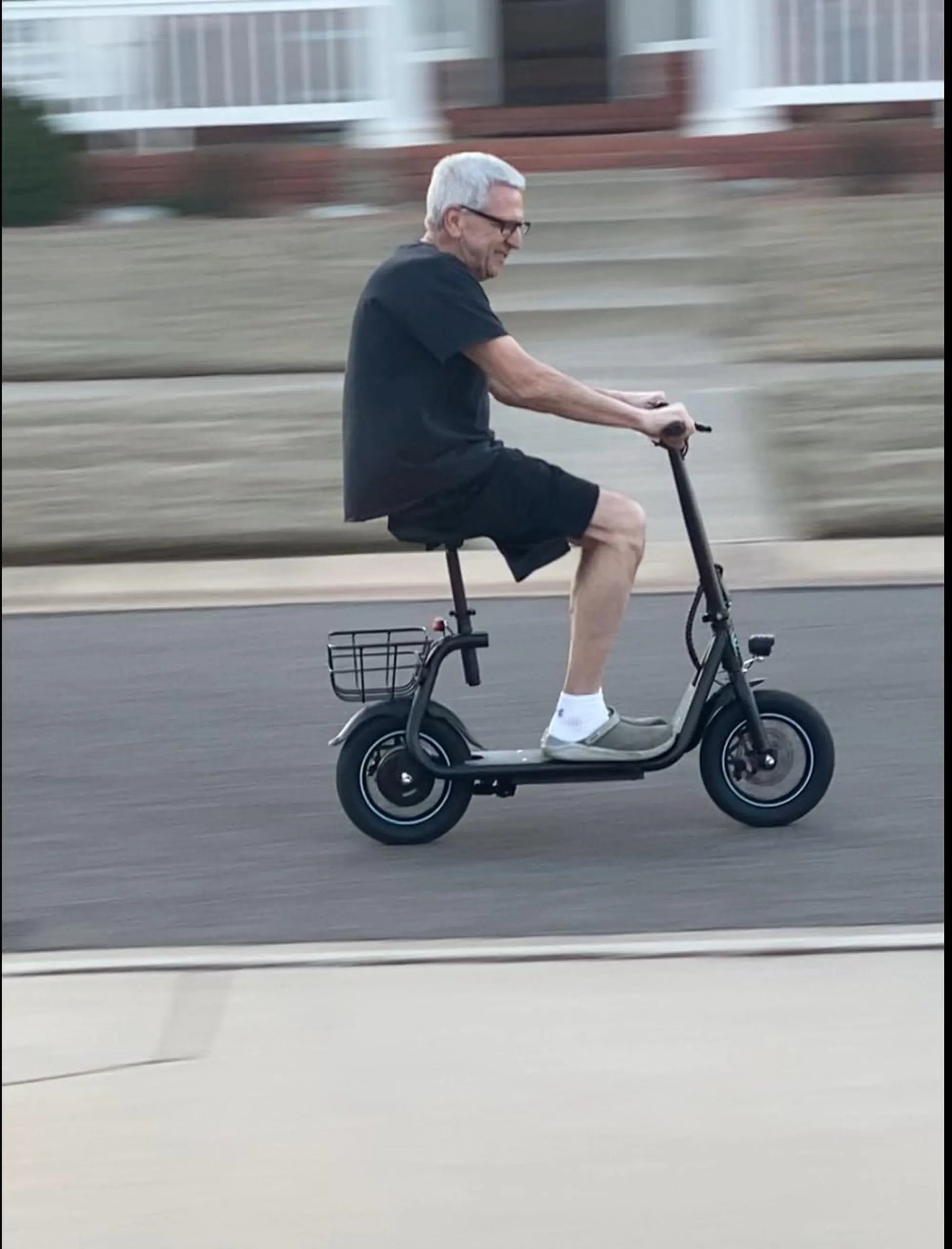
Introduction: The Smart Shopper's Guide to Affordable Three-Wheel Freedom
Searching for a cheap tricycle is often a quest for independence. Whether it's for stable exercise, practical errands, or reliable senior mobility, a trike represents a gateway to freedom. The key is understanding that 'cheap' should never mean 'compromised on safety' or 'prone to failure.'
This guide will show you how to navigate the market for a budget-friendly tricycle. You'll learn to distinguish between low upfront cost and genuine long-term value. We'll decode the components that matter, highlight critical safety standards, and provide a practical checklist for your purchase.
By the end, you'll be equipped to find a trike that fits your budget and serves you reliably for years. The goal is to turn your search for a cheap tricycle into a smart investment in utility and joy.
What Defines a "Cheap" Tricycle? Price vs. Value Decoded
The term 'cheap tricycle' typically refers to models in the $300 to $600 range for adult trikes. This is the entry-point budget segment. It's crucial to differentiate between the initial price tag and the total cost of ownership, which includes maintenance, repairs, and potential replacement.
Value is determined by durability, safety, and performance over time. A $350 trike that breaks down in six months is far more expensive than a $500 model that lasts for years. The core of smart shopping is identifying which features are cost-cutting compromises and which are acceptable trade-offs.
Long-term value is often signaled by brand reputation, warranty coverage, and component sourcing. A reputable manufacturer stands behind its products. For instance, brands like Gyroor offer a 1-year comprehensive warranty, signaling confidence in their build quality even in more affordable models.
Ultimately, a cheap tricycle should be an affordable gateway, not a disposable product. Assessing value requires looking beyond the sticker price to the engineering and support behind it.
Key Components That Impact Cost and Quality
The construction of a tricycle involves several key systems where material and design choices directly affect price, weight, and longevity. Understanding these helps you evaluate any model.
Frame Material: The most significant factor. High-tensile steel frames are common in budget trikes; they are durable but heavy. Aluminum alloy frames are lighter and rust-resistant but often increase the cost. The frame's geometry, especially a step-through design, is crucial for easy mounting and dismounting.
Drivetrain & Gearing: Single-speed systems are simple and low-cost but offer no help on hills. A trike with a 7-speed or 21-speed derailleur system provides much-needed versatility for varied terrain, adding to the cost but greatly enhancing usability.
Braking Systems: Safety is non-negotiable. Coaster brakes (pedal-backwards) are low-maintenance but less effective on steep declines. Linear-pull (V-brakes) or disc brakes offer superior, modulated stopping power. A quality brake system is an area where you should never accept the absolute cheapest option.
Wheels & Tires: Larger wheels (26") roll more smoothly over obstacles than smaller ones (20"). Pneumatic (air-filled) tires provide cushioning and traction, while solid tires eliminate flats but offer a harsher ride. Wheel bearing quality affects how smoothly the trike coasts.
Seat & Ergonomics: A wide, padded saddle with springs or suspension seat post significantly increases comfort, especially for longer rides. Adjustable handlebars and seats are essential for achieving a proper, strain-free riding position.
Top Use Cases for a Budget-Friendly Trike
A cheap tricycle can serve as a versatile tool for numerous lifestyles. Matching the trike's features to your primary use case ensures you get the right tool for the job without overspending.
Leisure & Exercise: For stable, low-impact cardio, a basic single-speed trike with a comfortable seat is sufficient. The three-wheel design eliminates balance concerns, allowing riders to focus on pedaling and enjoying the scenery. It's an excellent entry point into cycling for fitness.
Practical Errands & Utility: This use case demands specific features. A rear cargo basket or a front rack is essential for carrying groceries or packages. A multi-speed gear system becomes important if your route includes any inclines. Durability and reliable brakes are paramount for stop-and-go urban riding.
Senior Mobility & Stability: This is a primary market for adult tricycles. Key features include a low, step-through frame for easy access, an upright riding position for comfort and visibility, and wide, stable tires. Electrically assisted models (e-trikes) are a game-changer here, providing pedal assist to overcome hills or fatigue.
Specialized & Adaptive Needs: Tricycles can be adapted for various needs, from rehabilitation to riding with mobility challenges. The stable platform allows for customizations like hand cycles, supportive seating, or additional safety flags. An affordable base model can often be adapted cost-effectively.
The Gyroor Advantage: Finding Trustworthy Value in Your Budget
When shopping for a cheap tricycle, aligning with a brand that prioritizes safety and reliability is the best way to ensure value. Gyroor, trusted by over 100,000 riders, integrates premium safety features into its accessible product lines.
UL-Certified Battery Systems (for E-Trikes): For electric tricycles, the battery is the heart and the greatest potential hazard. Gyroor uses UL-certified battery packs tested for 500+ charge cycles. This certification is an independent verification of electrical and fire safety, a critical differentiator from no-name brands.
IPX5 Water-Resistant Design: Real-world riding encounters puddles and light rain. An IPX5 rating means the trike's electrical components can withstand low-pressure water jets from any direction. This engineering protects against corrosion and short circuits, extending the product's life and ensuring reliability.
1-Year Comprehensive Warranty & Support: A strong warranty is a brand's promise. Gyroor's 1-year warranty on major components provides peace of mind. It signals that the company uses durable parts and is prepared to support its products, a stark contrast to fly-by-night sellers offering no after-purchase service.
These features represent a value proposition: you get verified safety and dependable performance that protects your investment, making a Gyroor trike a genuinely smart choice in the affordable segment.
Smart Shopping Checklist: How to Find the Best Cheap Tricycle for You
Use this step-by-step guide to evaluate options and make a confident decision. This checklist prioritizes safety, fit, and function over mere aesthetics.
1. Define Your Primary Use: Refer to the use cases above. Is this for park paths, grocery runs, or daily neighborhood cruising? Your primary activity dictates the necessary features (gears, cargo, motor).
2. Get the Right Frame & Fit: Check the manufacturer's size chart. Ensure the trike has a step-through frame if needed. The seat should adjust so your knee has a slight bend at the bottom of the pedal stroke. Proper fit prevents discomfort and injury.
3. List Essential Features: Based on your use, create a must-have list. This may include: a minimum gear count (e.g., 7-speed), a specific brake type (e.g., front and rear V-brakes), a cargo basket capacity (e.g., 50 lbs), or an electric motor with a minimum range (e.g., 20 miles).
4. Verify Brand & Safety Credentials: Research the brand. For e-trikes, insist on UL certification for the battery. Look for IP water resistance ratings. Read the warranty terms carefully—a legitimate company offers clear coverage.
5. Research Reviews & Support Channels: Read customer reviews focusing on durability and post-purchase service. Check if the brand has accessible customer service via phone, email, or chat. Good support is invaluable if you need assembly help or a replacement part.
Potential Trade-Offs and What to Be Aware Of
In the budget segment, some compromises are inevitable. Being aware of them helps you manage expectations and prioritize where to spend.
Weight: Cheap tricycles often use high-tensile steel, making them heavy (60-80 lbs). This can be a challenge for transporting the trike or maneuvering it manually. Aluminum frames are lighter but rarer in the lowest price brackets.
Component Tier: Budget models may use entry-level derailleurs, brake pads, and bearings. These components work but may require more frequent adjustment and wear out faster than premium parts. Factor in basic maintenance skills or costs.
Suspension & Ride Comfort: Most affordable trikes have no suspension beyond seat springs and pneumatic tires. The ride will be firm, especially on rough pavement. Prioritizing larger wheels (26") can significantly improve comfort over smaller ones.
E-Trike Performance Limits: A budget electric tricycle might have a lower-wattage motor (e.g., 350W vs. 500W), a smaller battery (e.g., 10Ah vs. 15Ah), and a lower top assisted speed (e.g., 15 mph vs. 20 mph). Compromise on top speed if needed, but never on battery safety certification.
Assembly & Fine-Tuning: Trikes often ship 85% assembled. Final assembly (front wheel, handlebars, pedals, brakes) and critical tuning (derailleur adjustment, brake alignment) are required. Be prepared to do this yourself, pay a local bike shop, or verify the seller offers white-glove assembly.
Comparison: Key Tricycle Types in the Affordable Range
| Type | Ideal For | Typical Price Range | Key Features | Considerations |
|---|---|---|---|---|
| Basic Leisure Trike | Flat-path riding, light exercise | $300 - $450 | Single-speed, coaster brake, steel frame, rear basket | Heavy; struggles on hills; minimal features |
| Multi-Speed Utility Trike | Errands, neighborhoods with hills | $450 - $650 | 7-21 speed gears, hand brakes, larger cargo capacity | Better versatility; requires more maintenance |
| Electric Assist Trike (E-Trike) | Senior mobility, longer distances, hilly areas | $900 - $1,500 | Pedal-assist motor, UL-certified battery, multi-speed, enhanced brakes | Higher upfront cost; requires battery care; check safety certs |
| Folding Trike | Limited storage space, transport in vehicle | $500 - $800 | Hinged frame for compact storage, often mid-range components | May have less rigidity; folding mechanism adds complexity |
Frequently Asked Questions (FAQ)
Q1: Is a cheap tricycle safe for everyday use?
A: Yes, provided it comes from a reputable manufacturer that adheres to basic safety standards. The critical factors are a robust frame, reliable braking system, and proper assembly. For electric models, a UL-certified battery is the absolute minimum safety requirement.
Q2: How much should I expect to pay for a decent adult tricycle?
A: For a reliable, new adult trike with essential features like hand brakes and multiple gears, plan to invest between $450 and $700. This price point typically offers the best balance of quality and affordability, avoiding the most problematic budget models.
Q3: What is the most important maintenance task for a trike?
A>Regularly checking and adjusting the brakes is paramount for safety. Secondly, keeping the tires properly inflated to the PSI listed on the sidewall ensures a smoother ride, reduces rolling resistance, and prevents pinch flats.
Q4: Can I add an electric conversion kit to a regular cheap tricycle?
A>Technically yes, but proceed with caution. The added stress of a motor and the weight of a battery can strain a frame and components not designed for it. It also introduces electrical safety concerns. Purchasing a purpose-built e-trike from a brand like Gyroor with integrated, certified systems is a safer, more reliable approach.
Q5: Are tricycles harder to pedal than bicycles?
A>They can be, due to increased weight and rolling resistance from the third wheel and often heavier construction. This is why a multi-gear system is highly recommended for a tricycle, even for casual use, to make pedaling easier, especially from a stop or on an incline.
Q6: What's the best way to test a tricycle before buying?
A>If possible, visit a local dealer. Sit on it to assess comfort and reach. Pedal to feel the gear shifts. Test the brakes aggressively in a safe area. Check the turning radius—tricycles have a wider turning circle than bikes. For online purchases, thoroughly review sizing charts and video reviews.
Conclusion: Investing in Freedom, Not Just a Purchase
The journey to find the right cheap tricycle is about investing in a tool for independence, not just spending money. By focusing on verified safety features like UL certification, a solid warranty from a trustworthy brand, and components matched to your actual needs, you transform a simple purchase into a source of long-term utility and joy.
Use the checklist and comparisons in this guide to cut through the noise. Prioritize the fundamentals of frame, brakes, and gearing. Remember that the most affordable option is the one that works reliably for years, not the one with the lowest initial price tag that fails prematurely.
Your trike awaits as a stable companion for exercise, errands, or exploration. Make an informed choice, and enjoy the ride. For a range of mobility solutions built with safety and reliability at their core, browse the full Gyroor collection at gyroorboard.com.
Can You Charge an E-Bike While Riding? The Truth About On-the-Go Power
Do U Need a License for an Ebike? The Complete 2024 Guide