



Introduction: Redefining "Cheapest" for Smart Shoppers
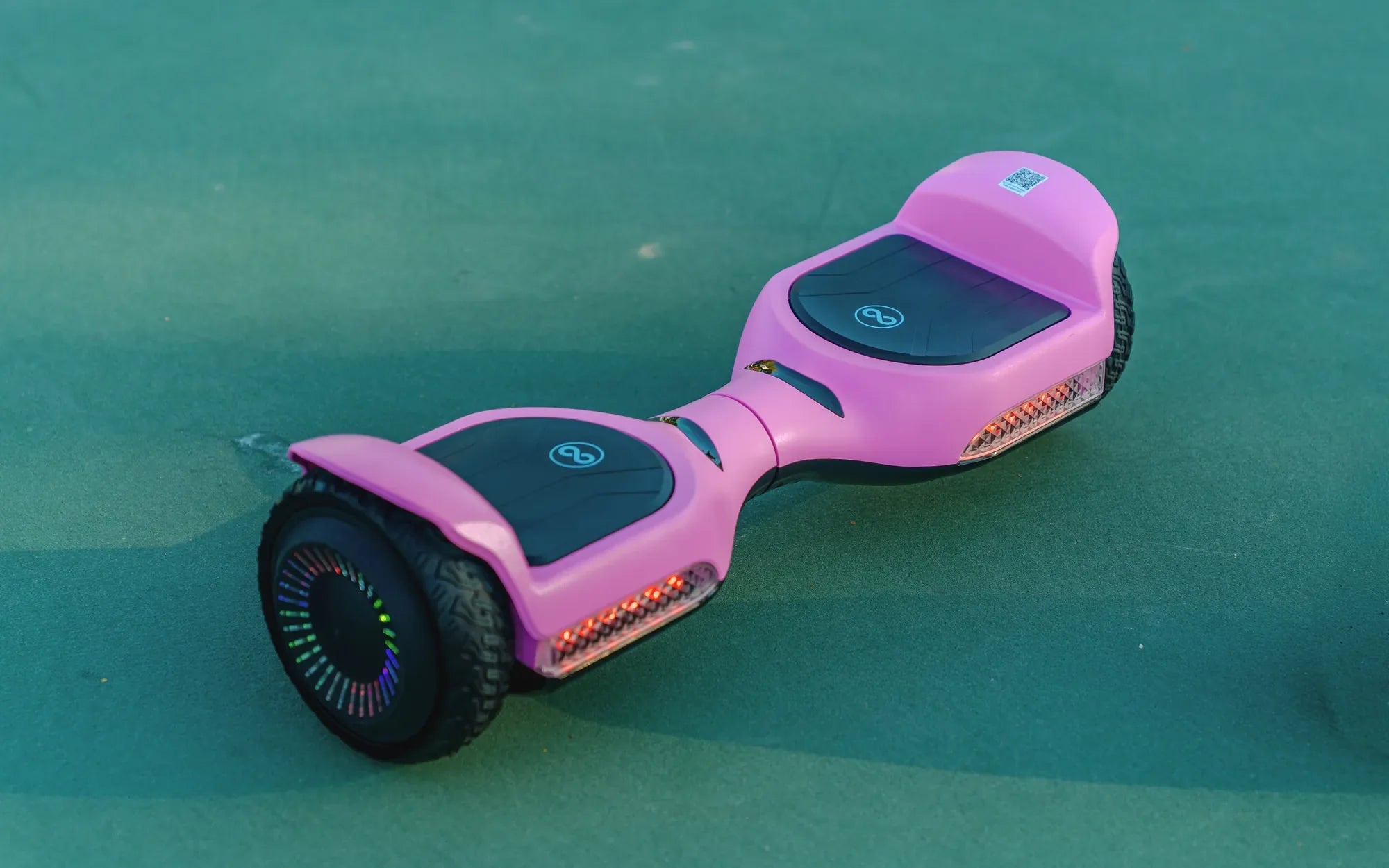
The search for the cheapest hoverboard in the world is more than a hunt for the lowest price tag. It's a quest for accessible, thrilling personal transportation that doesn't compromise safety or durability. True affordability isn't about finding a $50 gadget from an unknown seller; it's about securing the best possible value where safety, reliability, and fun intersect at a reasonable cost.
This guide will navigate you through the complex market of self-balancing scooters. We'll move beyond misleading advertisements to show you how to identify hoverboards that offer genuine, long-term value. You'll learn to distinguish between dangerously cheap products and intelligently affordable ones backed by proper engineering and certified safety standards.
Our goal is to ensure your investment brings joy, not regret. By focusing on verified safety features, reputable brands, and total cost of ownership, you can find an affordable hoverboard that stands the test of time. Let's begin by unpacking what the word "cheapest" should really mean to a savvy consumer.
What Does "Cheapest" Really Mean? Price vs. Total Cost of Ownership
The initial purchase price is just the entry fee. The true cost of a hoverboard includes maintenance, potential repairs, battery replacement, and most critically, the safety risk you assume. A board that costs $150 but catches fire or breaks in a month is infinitely more expensive than a $300 model that lasts for years with safe, reliable operation.
Calculating total cost of ownership requires looking at the product's entire lifespan. Key factors include warranty coverage, availability of replacement parts like tires and batteries, and the brand's reputation for customer support. A slightly higher upfront investment often saves significant money and hassle down the line.
The Hidden and Dangerous Costs of Ultra-Cheap Models
Models sold at implausibly low prices almost always cut critical corners. The most severe compromise is in the battery system. Non-certified, poor-quality lithium-ion batteries are a proven fire hazard, leading to well-documented incidents that prompted the creation of the UL 2272 safety standard.
Beyond fire risk, these boards suffer from weak motors that struggle on slight inclines, plastic shells that crack under stress, and faulty gyroscopes that make balancing difficult and unsafe. They typically come with no meaningful warranty or customer service, leaving you with a useless piece of e-waste when it inevitably fails.
Purchasing such a product isn't a bargain; it's accepting a liability. The potential cost extends beyond money to personal safety and property damage. Understanding this distinction is the first step toward making a smart purchase.
The Non-Negotiable Feature: UL 2272 Certification
If you remember one thing from this guide, let it be this: Never purchase a hoverboard without UL 2272 certification. This isn't a premium feature; it's the absolute baseline for a safe product. Underwriters Laboratories (UL) developed this standard specifically in response to hoverboard fires.
The UL 2272 test is rigorous. It evaluates the entire electrical system—battery, charger, and motor—for safety under normal and abnormal conditions. Tests include overcharging, short-circuiting, vibration, impact, and exposure to extreme temperatures. A certified board has proven its electrical systems are designed not to fail catastrophically.
This certification is your primary shield against the most significant risk associated with budget hoverboards. Any seller, website, or marketplace listing that cannot explicitly confirm UL 2272 certification for the specific model should be avoided immediately. No amount of savings is worth the risk.
Key Features to Prioritize in a Budget-Friendly Hoverboard
Once safety is assured with UL 2272, you can evaluate other features that contribute to value and longevity. Prioritizing these elements ensures your affordable hoverboard remains functional and enjoyable.
Build Quality and Warranty: Your Financial Safety Net
Look for a robust frame, often made of reinforced ABS plastic or aluminum alloy. Good build quality means better water and dust resistance (look for an IP rating like IPX4 or IPX5), more durable tire materials, and secure wiring. A trustworthy warranty, like the 1-year standard offered by reputable brands such as Gyroor, acts as a financial safety net, protecting your investment from manufacturing defects.
Motor Power and Range Expectations
For casual use, dual motors with a combined power of 300W-400W are sufficient. They provide adequate torque for starting and handling gentle slopes. Range is directly tied to battery quality. A legitimate 36V, 4.0Ah battery should provide 7-10 miles per charge for an average-weight rider. Be skeptical of claims exceeding 15 miles for budget models.
Weight Limit and Tire Type
Ensure the board's maximum weight limit accommodates the rider. Most quality budget boards support 160-220 lbs. Solid rubber tires (6.5-inch) are standard and require no maintenance, while air-filled tires offer a slightly smoother ride but can puncture.
Navigating the Market: Where to Find Real Value
Knowing what to look for is half the battle; knowing where to look is the other half. Avoid obscure websites, questionable online marketplaces flooded with generic brands, and social media ads with too-good-to-be-true prices.
Trusted Brands with Entry-Level Models
Established brands often have well-engineered entry-level models in their lineup. For example, Gyroor, a leading electric scooter and e-bike brand trusted by over 100,000 riders, offers hoverboards that meet strict safety and performance benchmarks. Choosing a brand with a reputation to uphold ensures access to customer service, warranty claims, and replacement parts.
Strategic Shopping: Sales and Refurbished Units
Time your purchase around major sales events like Black Friday, Cyber Monday, or Amazon Prime Day. Another excellent avenue for value is certified refurbished units sold directly by the manufacturer or authorized retailers. These are often customer returns that have been professionally inspected, repaired if necessary, and re-certified to meet original specifications, sold at a significant discount.
Comparison: Generic Knockoff vs. Certified Budget Board
The table below illustrates the stark difference between a dangerously cheap product and a responsibly affordable one.
| Feature | Generic "No-Name" Knockoff | Certified Budget Board (e.g., Gyroor Entry Model) |
|---|---|---|
| Price Point | Extremely Low ($50 - $120) | Responsibly Affordable ($180 - $280) |
| Safety Certification | None or Fake UL Marks | Genuine UL 2272 Certified |
| Battery | Uncertified, Unknown Cells | UL-Certified Battery Pack |
| Warranty | 30 Days or None | 1-Year Limited Warranty |
| Build Quality | Thin Plastic, Loose Parts | Reinforced Shell, IPX5 Rating |
| Customer Support | Non-Existent | Email/Phone Support, Service Network |
| Long-Term Value | High Risk of Failure/Fire | Years of Safe, Reliable Use |
Your Step-by-Step Pre-Purchase Checklist
Before clicking "buy," run through this essential checklist. It will help you filter out hazardous products and zero in on true value.
- 1. Verify UL 2272: Confirm the certification on the product listing, manual, and physically on the board or battery.
- 2. Check the IP Rating: Look for at least IPX4 for splash resistance, with IPX5 being ideal for all-weather resilience.
- 3. Research the Brand: Do they have a professional website? A contactable customer service team? Positive reviews on independent platforms?
- 4. Read the Warranty: Understand what is covered (parts, labor) and for how long. A 1-year warranty is the industry standard for reputable brands.
- 5. Assess Specs Realistically: Match the motor power (300W+) and range (7-10 mi) to your needs. Ignore inflated claims.
- 6. Review Return Policy: Ensure the seller has a reasonable return window in case the product arrives damaged or doesn't meet expectations.
Frequently Asked Questions (FAQ)
Q1: What is the absolute cheapest price for a safe hoverboard?
A1: As of the current market, the floor for a new, UL 2272-certified hoverboard from a reputable company is typically between $180 and $250 during sales. Prices below this range almost certainly indicate a lack of proper safety certification.
Q2: Are hoverboards from Walmart or Target safe?
A2> Major retailers like Walmart and Target now generally stock UL-certified models from known brands. However, always double-check the specific model's certification details on the box or product page, as retailers may also sell through third-party marketplace sellers with less reliable products.
Q3: How long should a budget hoverboard last?
A3> With proper care, a quality budget hoverboard from a brand like Gyroor should provide 2-3 years of regular casual use. The UL-certified battery is typically rated for 500+ charge cycles before significant capacity degradation.
Q4: Can I ride a budget hoverboard in the rain?
A4> Only if it has a stated water resistance rating. Look for an IPX4 rating (splash-resistant) or higher, such as IPX5, which can handle water jets. Never ride any hoverboard through puddles or in heavy rain unless specifically rated for it.
Q5: What's the main difference between a $200 and a $500 hoverboard?
A5> The differences typically include higher top speed (10+ mph vs. 7-9 mph), longer range (12-15 mi vs. 7-10 mi), more powerful motors for steeper hills, Bluetooth speakers, LED light systems, and sometimes a wider deck or larger wheels for off-road capability.
Conclusion: Smart Spending for Lasting Fun
The journey to find the cheapest hoverboard in the world ends not with the lowest number on a price tag, but with the greatest peace of mind. Affordable fun is entirely achievable when you prioritize certified safety, solid construction, and reputable brand support over fleeting discounts on dangerous imitations. By investing in a hoverboard that meets rigorous standards, you're not just buying a toy; you're securing a reliable personal transporter for years of enjoyment.
Remember, the true cost is measured over the life of the product. A hoverboard that is safe, durable, and backed by a warranty represents the real definition of "cheapest"—it's the one that won't cost you extra in repairs, replacements, or worry. Start your search with safety as the non-negotiable foundation, and you'll find that affordable, thrilling rides are well within reach.
Ready to explore a range of high-value, safety-certified personal electric vehicles? Browse the full Gyroor collection, featuring UL-certified hoverboards, electric scooters, and e-bikes, at gyroorboard.com.
Hoverboard Beeping: What It Means and How to Fix It
How Long Does a Hoverboard Last: A Comprehensive Guide to Lifespan and Durability