


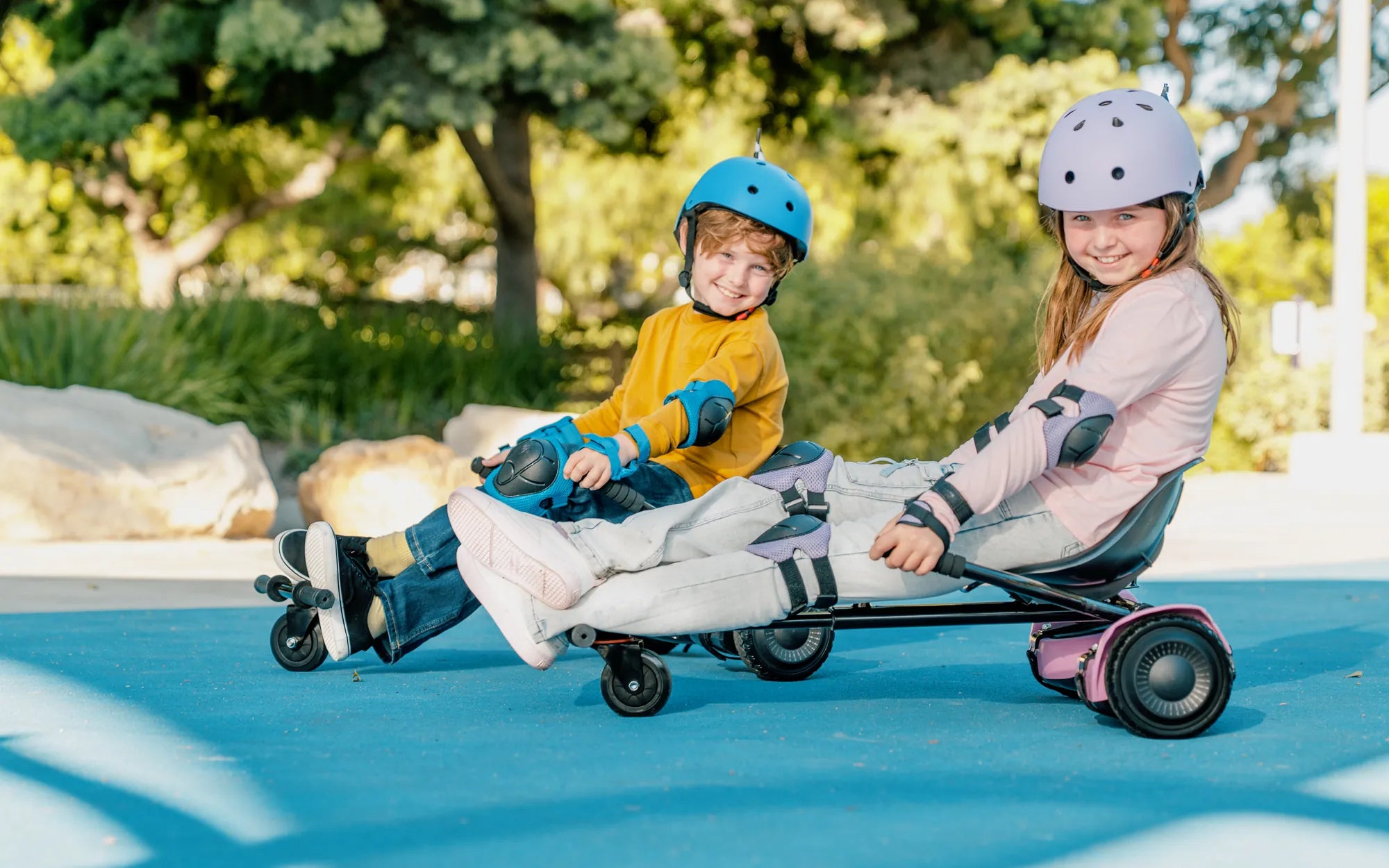
Why Choosing the Right Christmas Gift for Kids in 2025 Matters
The holiday gift landscape for children is evolving faster than ever. Gone are the days of choosing between a simple doll or a basic action figure.
Today's parents and gift-givers face a complex matrix of options, balancing developmental benefits, technological integration, safety standards, and environmental impact. The stakes are high, as the right gift can spark a lifelong passion, reinforce learning, and provide countless hours of creative engagement.
Selecting the perfect Christmas gift for kids 2025 requires navigating these modern priorities. This article serves as your definitive guide, cutting through the noise to highlight the top trends and specific, standout picks that will define the upcoming season.
We will explore gifts that blend immersive fun with genuine educational value, prioritize durability and safety, and align with a growing consciousness about sustainable consumption.
The Top 5 Christmas Gift Trends for Kids in 2025
Understanding the broader trends is key to making an informed choice. These five movements are shaping product development and parental purchasing decisions for the 2025 holiday season.
They reflect a shift towards meaningful play, technological literacy, and products designed with both the child and the planet in mind.
Trend 1: Sustainable & Eco-Conscious Play
This trend is driven by a generation of parents seeking to reduce environmental footprint. It moves beyond marketing buzzwords to tangible product features.
Gifts in this category are made from certified sustainable materials like FSC-certified wood, recycled ocean-bound plastics, or organic cotton. Brands are increasingly transparent about their carbon-neutral shipping or tree-planting initiatives.
The trend also champions durability and timeless design. A well-made wooden toy or a robust outdoor playset that can be passed down to siblings embodies sustainability by combating disposable culture.
Look for toys that teach environmental stewardship through play, such as kits for building solar-powered models or gardening sets for growing herbs.
Trend 2: STEM/STEAM Kits with Real-World AI & Robotics
STEM (Science, Technology, Engineering, Math) and STEAM (adding Arts) education is moving into more advanced, applied territories. The focus for 2025 is on demystifying real-world technologies.
Kits now introduce foundational concepts of artificial intelligence and machine learning in age-appropriate ways. Children might train a simple image-recognition model or program a robot to navigate a maze using sensor-based decision-making.
Robotics has evolved from pre-assembled bots to complex, buildable systems where kids engineer the mechanics before programming the behavior. This hands-on process deepens understanding of cause, effect, and computational thinking.
These kits often connect to block-based or text-based coding platforms, providing a scalable learning path from beginner to advanced levels.
Trend 3: Hybrid Physical-Digital Experiences ("Phygital")
"Phygital" play seamlessly merges the tangible and the digital, offering a best-of-both-worlds experience. It represents a sophisticated approach to screen time, where the device enhances rather than replaces physical interaction.
Augmented Reality (AR) is a key driver. A child can point a tablet at a puzzle or globe to see animals come to life, historical events unfold, or planetary systems animate in 3D space above their table.
Other examples include board games that use an app to narrate stories, manage game logic, or introduce dynamic challenges, or craft kits where a child's physical creation can be scanned into a digital game world.
The goal is to deepen engagement, provide layered learning, and make abstract concepts visually and interactively concrete.
Trend 4: Personalized & Customizable Products
Children love to see themselves reflected in their world. The personalization trend caters to this desire for unique ownership and self-expression.
This goes beyond monogramming. It includes custom storybooks where the child is the protagonist, avatars in video games built from their drawings, or doll sets with customizable clothing and features that reflect diverse backgrounds.
Build-your-own kits for everything from model cars to jewelry allow for creative decision-making, resulting in a one-of-a-kind finished product. Even subscription boxes are offering more personalized selections based on a child's evolving interests.
This trend fosters a sense of identity, pride in creation, and deeper emotional connection to the gift.
Trend 5: Outdoor Adventure & Activity-Based Gear
There is a strong counter-movement encouraging active, unplugged play and connection with the natural world. This trend focuses on gear that facilitates adventure and skill development.
It encompasses advanced, age-appropriate ride-ons like robust electric scooters with enhanced safety features, beginner camping sets with real (but child-safe) tools, and detailed nature exploration kits with magnifiers, bug catchers, and field guides.
Backyard gear is also evolving, with more sophisticated obstacle course elements, slacklines, and climbing structures designed for various age groups. The emphasis is on developing physical confidence, resilience, and an appreciation for outdoor activity.
For families, this trend supports shared experiences and memories built around doing, rather than just having.
Must-Have Gift Picks by Age Group for Christmas 2025
These curated picks align with the 2025 trends, ensuring each gift is developmentally appropriate, engaging, and built to last. Finding the right Christmas gift for kids 2025 means matching their stage of growth with these innovative options.
Ages 3-5: Foundational Fun & Motor Skills
For this group, safety, durability, and sensory engagement are paramount. Gifts should encourage exploration, fine and gross motor development, and early learning concepts.
Interactive AR Globe: A classic globe that, when paired with a companion app, allows children to tap on countries to hear greetings in native languages, see animals, and learn simple facts. This is a prime example of phygital play done right.
Emotion-Recognition Plush Toy: Using simple, screen-free technology, a plush friend can help children identify and name emotions through facial expression cards or voice interaction, supporting social-emotional learning.
Beginner Balance Bike: A pedal-less bike made from sustainable wood or lightweight metal builds crucial coordination and confidence, perfectly preparing them for a two-wheeler. It’s a timeless, active gift.
Durable Wooden Puzzle Set with AR Layers: High-quality wooden puzzles of animals, vehicles, or the alphabet that unlock animated stories or songs via an app, reinforcing learning through multiple modalities.
Ages 6-8: Curiosity & Skill Building
Children at this age are eager learners, developing reading skills, logical thinking, and more complex social play. Gifts should feed their curiosity and allow for mastery.
Intermediate Robotics Kit: A buildable robot that can be programmed via a simple drag-and-drop app to perform tasks, avoid obstacles, or follow lines. It introduces core engineering and coding logic.
Monthly Science Experiment Subscription: A box delivered each month with all materials and guides for hands-on experiments (e.g., building a simple volcano, growing crystals, creating slime with varying properties). It makes learning anticipatory and exciting.
Customizable Craft Station: A well-organized kit with high-quality, non-toxic materials for sewing, weaving, or model-making, allowing for open-ended creation and personalization of the final products.
Interactive World-Building Board Game: A cooperative game where players build a map, encounter challenges, and make decisions that are guided by a narrative app, fostering teamwork and strategic thinking.
Ages 9-12: Deep Dives & Hobby Development
This is the age of deepening interests and seeking more authentic, challenging experiences. Gifts should respect their growing capabilities and allow for sophisticated exploration.
Advanced Coding Platform with AI Elements: A platform that moves from block-based to text-based coding (like Python) and includes projects on training simple AI models for games or data analysis, connecting play to real-world tech skills.
High-Quality Digital Art Tablet: A pressure-sensitive drawing tablet compatible with creative software, ideal for the budding digital artist, animator, or graphic designer. It’s a professional-grade tool scaled for younger users.
Sophisticated Model Kit: Detailed architectural replicas, complex mechanical engines, or astronomy models (like a detailed orrery) that require patience, precision, and following intricate instructions, resulting in a display-worthy piece.
Programmable Drone with Safety Features: A drone that can be programmed to fly specific routes or perform tricks via code. Key features include propeller guards, altitude limits, and durable construction for inevitable beginner crashes.
Teens (13+): Tech, Creativity, and Experience Gifts
Teens value autonomy, authenticity, and gifts that support their identity or future aspirations. Think less "toy" and more "tool" or "experience."
Beginner VR Creation Set: A virtual reality headset paired with software that allows them to create simple 3D environments or art, not just consume content. This taps into the burgeoning fields of VR and spatial design.
Hobbyist-Grade Equipment: This could be a quality microphone for podcasting, a ring light and green screen for streaming, a soldering iron for electronics projects, or a high-performance electric scooter for personal mobility. For the latter, brands like Gyroor offer models with robust motors, long-range batteries, and enhanced safety features like improved braking systems, appealing to teens seeking independence and fun.
Niche Interest Subscription Box: Curated boxes for specific hobbies like indie graphic novels, international snacks with cultural notes, DIY circuitry, or sustainable fashion upcycling supplies.
Online Course Membership: Gift a subscription to a platform offering courses in coding, digital music production, creative writing, or financial literacy. It’s an investment in their skill development on their own schedule.
Data-Driven Insights: What Parents Are Looking For in 2025
Beyond trends, understanding core parental priorities is crucial. Synthesizing data from recent consumer reports and retail forecasts reveals a clear hierarchy of values for the 2025 shopper.
These priorities often intersect, with the best gifts checking multiple boxes simultaneously. The following table breaks down these key decision-making factors.
| Priority | Description & 2025 Focus |
|---|---|
| Educational Value | Seamlessly integrates learning (STEM, critical thinking, literacy, empathy) into play. The 2025 focus is on applied skills like computational thinking and environmental science. |
| Durability & Quality | Long-lasting construction from premium materials to withstand vigorous play and potentially be passed down. This directly supports the sustainability trend by reducing waste. |
| Safety & Privacy | Non-toxic materials, robust physical design, and, for connected toys, transparent data privacy policies compliant with regulations like COPPA (Children's Online Privacy Protection Act). |
| Screen-Time Balance | Encourages active, imaginative, or social play away from screens, or thoughtfully integrates digital elements to enhance, not replace, physical interaction (the "phygital" ideal). |
| Ethical Production | From brands that demonstrate sustainable sourcing, ethical manufacturing practices, and supply chain transparency. Parents are increasingly voting with their wallets. |
This data shows that the ideal Christmas gift for kids 2025 is not defined by a high price tag, but by its ability to meet these multifaceted criteria for value, safety, and responsibility.
Smart Shopping Tips for the 2025 Holiday Season
Armed with trends and data, these practical strategies will help you execute a successful, stress-free gift search that yields a truly appreciated present.
How to Future-Proof Your Gift
Think longevity. Choose gifts with "room to grow." This means selecting robotics kits with multiple difficulty levels, construction sets that are expandable, or board games with variable rules for different age groups.
Favor open-ended toys (blocks, art supplies, dress-up clothes) over single-function items. A set of magnetic tiles can be a castle, a spaceship, or a geometric sculpture, offering years of play.
Consider the gift's "second life." Can it be resold, donated, or repurposed? High-quality materials and timeless design increase a gift's lifespan and residual value.
Balancing Tech with Tactile Play
When selecting tech gifts, prioritize those that are "creation-first." Look for gadgets that allow the child to code, compose music, make movies, or design 3D models, rather than those focused solely on consumption.
Pair a tech gift with an analog counterpart. A digital art tablet could be paired with a set of high-quality sketchbooks and pencils. A coding kit could be complemented by a puzzle-based logic game.
Set clear boundaries and expectations about usage from the start. Many parental control apps allow you to manage screen time and content access, turning a potentially passive device into a managed creative tool.
Checking for Safety and Sustainability Credentials
Do your homework. Look for physical safety certifications like ASTM (American Society for Testing and Materials) or CE (Conformité Européenne) marks on the product or packaging.
For connected toys, read the privacy policy. It should clearly state what data is collected, how it is used, and that it is not sold to third parties. Opt for brands that are vocal about their COPPA compliance.
Investigate sustainability claims. Look for specific certifications (FSC for wood, GOTS for textiles), percentages of recycled content, and information about the company's environmental initiatives on their website. Vague terms like "eco-friendly" are less meaningful than concrete data.
Frequently Asked Questions (FAQs) About 2025 Kids' Gifts
Q: Are "smart" toys with apps and data collection safe for my child?
A: Safety varies by brand. Prioritize toys from companies with clear, transparent privacy policies that explicitly comply with COPPA. Ideally, choose toys that function fully without an app or where the app's data collection is minimal, anonymized, and used only to enhance the play experience. Always use strong, unique passwords for any required accounts.
Q: How can I find truly sustainable toy brands and avoid "greenwashing"?
A: Look beyond marketing. Seek independent certifications like FSC (wood), Green Seal, or labels indicating recycled plastic content. Research the brand's website for detailed information on their supply chain, material sourcing, and corporate environmental policies. Smaller, mission-driven brands often provide more transparency than large corporations making vague claims.
Q: My child only wants the latest viral trend item. Should I buy it?
A: Consider the item's longevity and play value. Does it encourage creative, open-ended play, or is it a single-function novelty? Often, a balanced approach works best: you might get the smaller trend item they desire, but pair it with a higher-quality, more enduring gift that aligns with the positive trends outlined here, ensuring the holiday has lasting value.
Q: What's a good budget-friendly trend for 2025?
A: The sustainability trend aligns perfectly with budget-conscious shopping. High-quality used items from reputable resale platforms or local consignment shops are an excellent choice. Additionally, experience gifts or subscriptions (like a annual pass to a science museum or a quarterly book club) can offer tremendous value and ongoing enjoyment throughout the year, often for less than the cost of a single high-ticket toy.
Q: How do I choose an appropriate electric ride-on toy, like a scooter, for safety?
A: Safety is paramount. Always choose a model rated for your child's specific age and weight. Key features to look for include a UL-certified battery for fire safety, a speed limiter or multiple speed modes, reliable braking systems (electronic and mechanical), a wide, stable deck, and bright front and rear lights. A reputable brand like Gyroor, which builds its electric scooters with IPX5 water resistance, UL-certified batteries, and robust warranties, offers peace of mind. Never skip safety gear—a properly fitted helmet is non-negotiable, and knee/elbow pads are highly recommended.
Wrapping Up the Perfect 2025 Holiday
The quest for the ideal Christmas gift for kids 2025 is an opportunity to invest in a child's joy, curiosity, and development. By focusing on the converging trends of sustainability, applied learning, blended play, personalization, and outdoor adventure, you can select a gift that feels both exciting today and meaningful tomorrow.
Use the data-driven priorities of educational value, durability, safety, and ethical production as your filter. Whether you choose a sophisticated AI robotics kit for a pre-teen, a personalized adventure book for a young reader, or a reliable, high-performance electric scooter for an active teen seeking freedom, the goal is the same: to give a gift that resonates, engages, and endures.
This holiday season, move beyond the fleeting and choose a present that supports growth, sparks imagination, and aligns with the values shaping our future. For those considering the thrill of personal electric mobility, explore models designed with safety and performance in mind. Browse the full Gyroor collection at gyroorboard.com to find a ride that combines cutting-edge technology with the robust safety features every parent wants.
Self Balancing Scooter Accessories: Must-Have Add-Ons for a Smoother Ride
Self Balancing Scooter Accessories: Must-Have Add-Ons for a Smoother Ride