

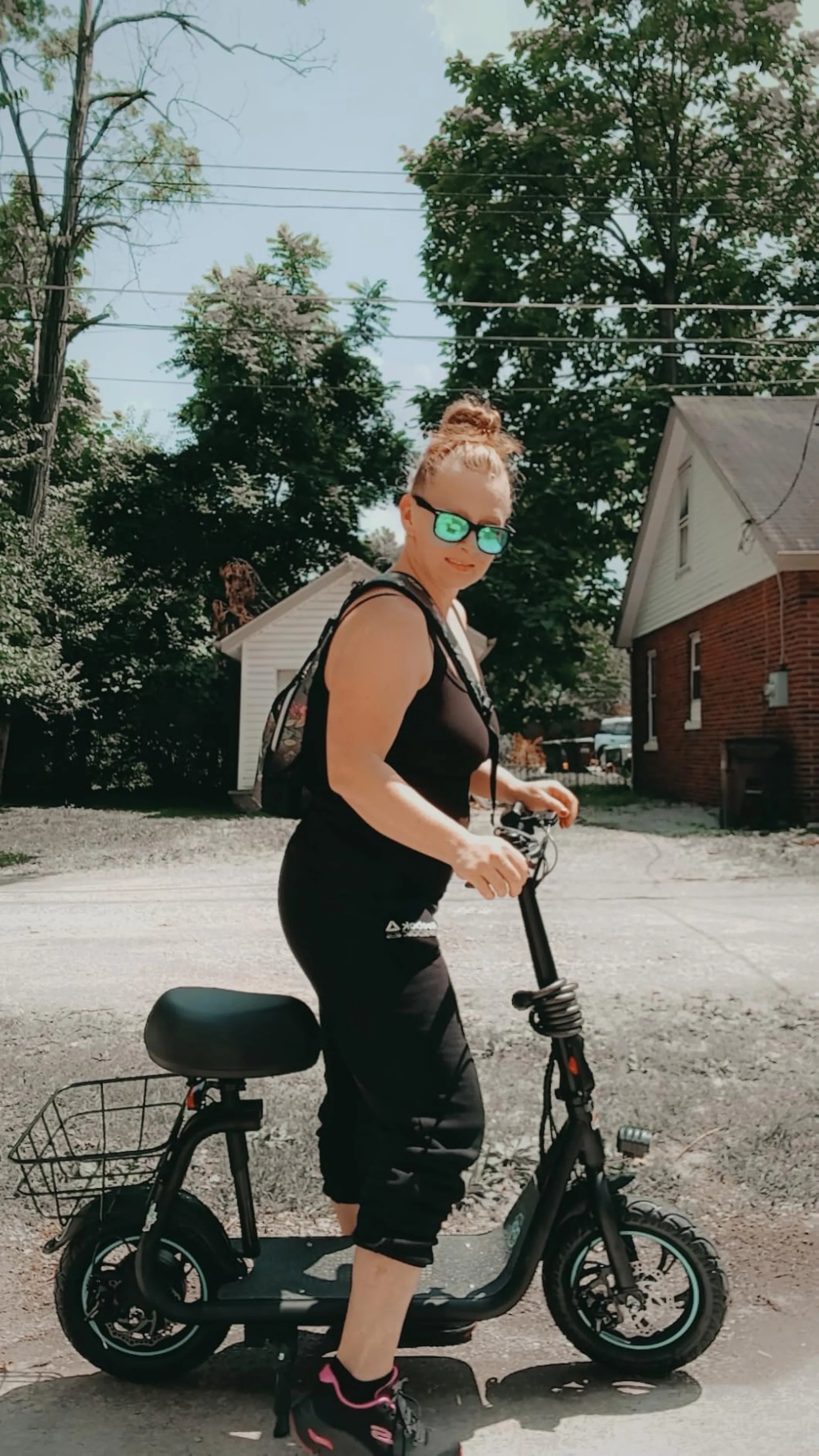
Electric bikes have revolutionized the way we commute, exercise, and explore. But with terms like Class 1, 2, and 3 ebikes floating around, it can be confusing to know which one suits your lifestyle. Whether you're a daily commuter, a weekend adventurer, or just looking for a greener way to get around, understanding these classifications is key to making the right choice.
What Are Class 1, 2, and 3 Ebikes?
Ebikes are divided into three main classes based on their motor assistance and speed capabilities. These classifications help standardize regulations and ensure rider safety. Here's a quick breakdown:
- Class 1 Ebikes: Pedal-assist only, with no throttle, and a maximum assisted speed of 20 mph.
- Class 2 Ebikes: Equipped with a throttle, allowing motor-powered riding without pedaling, and capped at 20 mph.
- Class 3 Ebikes: Pedal-assist only (like Class 1) but with a higher maximum assisted speed of 28 mph.
Class 1 Ebikes: The Pedal-Assist Standard
Class 1 ebikes are the most widely accepted and regulated. They provide motor assistance only when you pedal, making them ideal for those who want a natural riding experience with a boost. These bikes are perfect for bike lanes, trails, and urban commuting, as they blend seamlessly with traditional bicycles.
Pros of Class 1 Ebikes
- Allowed on most bike paths and trails.
- Encourages physical activity since you must pedal to engage the motor.
- Lightweight compared to other classes due to the absence of a throttle.
Cons of Class 1 Ebikes
- No throttle means you can't coast without pedaling.
- Lower top speed compared to Class 3.
Class 2 Ebikes: Throttle-Powered Convenience
Class 2 ebikes stand out with their throttle feature, allowing riders to cruise without pedaling. This makes them a great option for those who want flexibility—whether you're tired, carrying heavy loads, or just prefer a relaxed ride.
Pros of Class 2 Ebikes
- Throttle provides effortless riding, especially on hills or long distances.
- Same 20 mph speed limit as Class 1, making them legal in many areas.
- Great for riders with mobility issues or those who want a break from pedaling.
Cons of Class 2 Ebikes
- Often restricted on bike trails and paths due to throttle use.
- Heavier due to additional throttle components.
Class 3 Ebikes: Speed and Efficiency
Class 3 ebikes are designed for speed enthusiasts and commuters who need to cover longer distances quickly. With a top assisted speed of 28 mph, they bridge the gap between traditional bikes and mopeds.
Pros of Class 3 Ebikes
- Faster commuting times, ideal for urban riders.
- Still requires pedaling, promoting exercise.
- Often equipped with advanced features like larger batteries and better brakes.
Cons of Class 3 Ebikes
- Restricted on many bike trails and paths due to higher speeds.
- May require registration, insurance, or a helmet in some regions.
Legal Considerations for Each Class
Ebike laws vary by location, so it's crucial to check local regulations before purchasing. Generally:
- Class 1 and 2: Allowed on most bike lanes and trails.
- Class 3: Often restricted to roads or require additional safety gear.
Which Ebike Class Is Right for You?
Choosing between Class 1, 2, and 3 depends on your riding style and needs:
- For casual riders and trail enthusiasts: Class 1 is a safe bet.
- For those who want flexibility: Class 2 offers throttle convenience.
- For speed and long commutes: Class 3 is the way to go.
Ready to take your ride to the next level? Whether you prioritize pedal power, throttle ease, or high-speed performance, there's an ebike class designed just for you. The electric revolution is here—pick the one that fuels your journey!
E-Bike News Canada: The Latest Trends, Laws, and Innovations
Best Dirt Bike for 9 Year Old: A Complete Guide for Parents