


Introduction: The Practical Search for Affordable Transportation
Finding a dependable commuter bike under 200 dollars is a common goal for students, urban dwellers, and budget-conscious commuters. This price point represents a significant challenge in today's market, where quality components and durable frames often command higher prices. The quest for a commuter bike under 200 requires a clear understanding of trade-offs, smart feature prioritization, and sometimes, a willingness to perform basic assembly and maintenance yourself. This guide will navigate the realities of the budget bike market, helping you identify which models offer genuine value for daily transportation needs without compromising essential safety and reliability.
We'll explore what you can realistically expect from a new bicycle in this category, from frame materials to component quality. You'll learn the key features that matter most for a safe and functional commute, such as braking systems and gearing. Furthermore, we'll discuss the often-overlooked long-term costs of ownership, including assembly and routine maintenance, which can make or break the value proposition of an inexpensive bike. By the end, you'll be equipped to make an informed decision, whether you're purchasing a new budget model or considering the secondhand market.
What to Realistically Expect from a Sub-$200 Commuter Bike
When shopping for a commuter bike under 200 dollars, managing expectations is crucial. At this price point, you are typically looking at entry-level bicycles designed for casual or light-duty use. The frames are commonly constructed from high-tensile steel, which is durable but heavier than the chromoly or aluminum alloys found on more expensive models. This weight can affect acceleration and make carrying the bike up stairs more challenging, a key consideration for apartment dwellers.
Component groups will be basic. You might find a single-speed or a 7-speed drivetrain from entry-level manufacturers. Brakes are often linear-pull (V-brakes) or even coaster brakes, which are simple but may offer less modulation and stopping power in wet conditions than disc brakes. The wheels will likely have steel rims and basic, low-count bearing hubs. The tires are generally thicker, puncture-resistant models designed for longevity over high performance.
The finish and attention to detail on a commuter bike under 200 will be functional rather than refined. You may notice simpler welding, basic paint jobs, and generic branding. The saddle and grips will be made from standard foam or vinyl, prioritizing cost over long-distance comfort. It's important to view this purchase as a utilitarian tool for short to medium-distance trips on relatively flat, paved terrain, not a high-performance machine for hilly commutes or rough roads.
Understanding these limitations is not a criticism but a foundation for smart shopping. A well-chosen bike in this range, when properly assembled and maintained, can provide excellent service for years. The value lies in selecting a model whose design aligns with your specific commuting needs and avoiding bikes with overly complex features that are prone to failure at this quality level.
Key Features to Prioritize in Your Budget Bike Search
With a limited budget, focusing on essential features is paramount. Your primary goal is to find a commuter bike under 200 that is safe, reliable, and suited to your route. The braking system is the most critical safety feature. Look for bikes with front and rear hand brakes. While linear-pull (V-brakes) are common and effective when properly adjusted, a model with a rear coaster brake and a front hand brake can also be a simple, low-maintenance option for flat areas.
Gearing is the next major consideration. For a truly flat commute, a single-speed bike is ideal—it has fewer parts to maintain and is often lighter. However, if your route has any inclines, a multi-speed bike is a necessity. A 7-speed drivetrain with a wide-range rear cassette is a practical minimum for handling gentle hills. Ensure the shifters feel crisp and the derailleur is aligned; poor shifting is a common issue on budget bikes straight out of the box.
Tire quality and type directly impact comfort and puncture resistance. For a commuter bike under 200, look for 700c or 26-inch wheels with semi-slick or hybrid tires. These tires offer a balance of low rolling resistance on pavement and some grip on loose surfaces. Tires with a Kevlar belt or other puncture-protection layer are a valuable feature that can prevent frustrating flats on your way to work. Check that the rims are true (not wobbly) and the spokes are evenly tensioned.
Finally, assess the fit and comfort features. The frame should allow for a slight bend in your knee when the pedal is at its lowest point. Adjustable stem and seat post are significant advantages, allowing you to fine-tune the riding position. While the stock saddle may need upgrading later, ensure the seat post is a standard size (like 27.2mm) to facilitate easy swaps. Prioritizing these functional elements over cosmetic extras is the key to finding a commuter bike under 200 that works day in and day out.
The Assembly & Maintenance Factor: Saving Money Long-Term
The initial purchase price is only part of the cost equation for a commuter bike under 200. Many bikes in this range are shipped partially assembled in a box, requiring final setup. Poor assembly is the leading cause of premature wear, safety issues, and frustrating repairs. If you are not mechanically inclined, budgeting for professional assembly at a local bike shop ($50-$80) is a wise investment that ensures brakes are aligned, gears are indexed, and all bolts are properly torqued.
If you choose DIY assembly, invest in basic tools: a set of Allen wrenches, a 15mm pedal wrench, and a bike-specific floor pump with a pressure gauge are essential. Follow the manufacturer's instructions carefully, paying special attention to tightening the handlebar stem, installing the front wheel securely, and adjusting the brake pads to contact the rim squarely. A poorly adjusted derailleur can cause the chain to drop, potentially leading to an accident.
Routine maintenance is non-negotiable for preserving your investment. Establish a simple weekly checklist: check tire pressure (crucial for preventing pinch flats and making pedaling easier), ensure brakes engage firmly, and lubricate the chain with a dedicated bicycle chain lube every few weeks, wiping off excess grime. Learn to identify common issues like brake pad wear, loose spokes, and a slipping seat post.
By dedicating time to proper setup and basic upkeep, you can dramatically extend the lifespan and improve the performance of your commuter bike under 200. This proactive approach transforms a disposable purchase into a reliable asset, saving you money on frequent repairs or a premature replacement. The true cost of a budget bike is its purchase price plus the time and money required to keep it running safely.
Spotlight: Gyroor's Approach to Value and Reliability
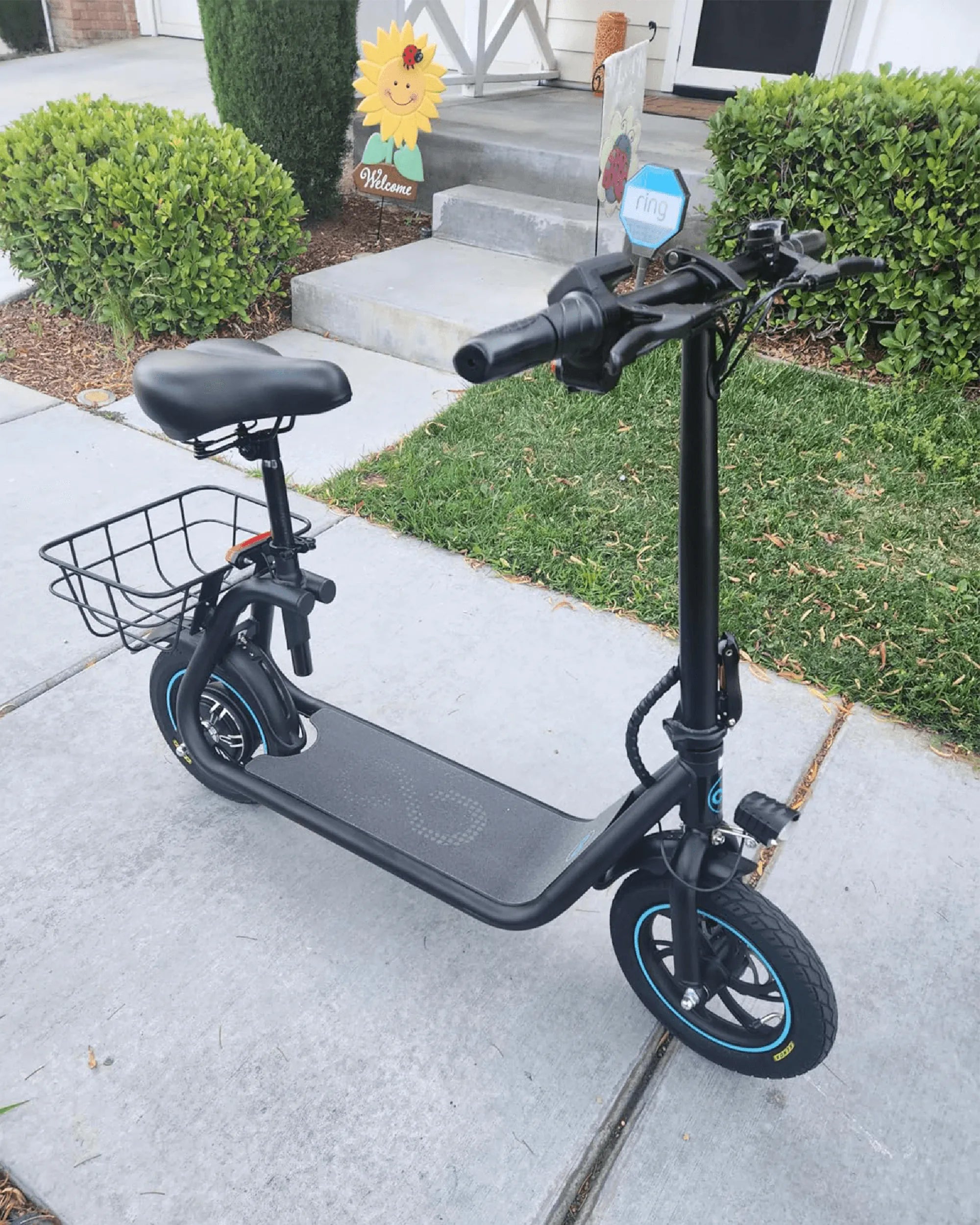
While Gyroor's core electric mobility products, such as e-bikes and electric scooters, are positioned above the $200 price point, the company's engineering philosophy offers a masterclass in value-driven design—principles that are instructive when evaluating any transportation purchase. Gyroor has built trust with over 100,000 riders by prioritizing safety, durability, and support, which are the very pillars you should seek in a mechanical commuter bike under 200.
The commitment to UL-certified battery packs in their e-mobility line underscores a fundamental principle: critical safety components must be reliable. For a traditional bike, this translates to scrutinizing the braking system and frame integrity. Similarly, Gyroor's use of IPX5 water-resistant designs highlights the importance of weather resistance for a daily commuter; look for a bike with rust-resistant coatings, sealed bearing points, and corrosion-resistant fasteners.
Perhaps the most relevant lesson is the value of a strong warranty and customer support. Gyroor backs its products with a reliable 1-year warranty, signaling confidence in their manufacturing. When searching for a commuter bike under 200, investigate the manufacturer's warranty policy and read customer reviews regarding support. A brand that stands behind its product, even at a low price point, often indicates better overall quality control and a longer-lasting bicycle.
This approach demonstrates that true value isn't about the lowest sticker price, but the lowest total cost of ownership when factoring in reliability, safety, and longevity. Applying this mindset helps you discern between a merely cheap commuter bike under 200 and one that represents a wise, value-focused investment for your daily travels.
Top Contenders: A Comparative Look at Budget Commuter Options
The sub-$200 market typically features a few distinct types of bicycles, each with strengths tailored to specific commuting scenarios. Below is a comparative analysis of three common categories you might encounter while searching for a commuter bike under 200. This table outlines their ideal use cases, key advantages, and primary limitations to guide your decision.
| Bike Type | Best For Commuting On... | Key Advantages | Common Limitations at This Price |
|---|---|---|---|
| Single-Speed Cruiser | Perfectly flat terrain, short distances (under 3 miles), boardwalk or paved paths. | Extremely simple mechanics, low maintenance, often includes a comfortable, upright riding position. | No gears for hills, often very heavy steel frame, coaster brakes can overheat on long descents. |
| Basic Hybrid Bike | Mixed pavement, gentle hills, distances of 3-10 miles. The most versatile commuter option. | Usually has 7-21 speeds, upright but efficient geometry, wider tires for stability, front suspension sometimes included. | Suspension forks at this price are low-quality and add weight. Components are entry-level and may require frequent adjustment. |
| Simple Folding Bike | Multi-modal commutes (bus/train + bike), extremely limited storage space. | Unmatched portability and storage convenience, useful for last-mile connectivity. | Smaller wheels provide less stability and a bumpier ride. Folding mechanisms can develop play over time. Heavier than expected for their size. |
When evaluating any commuter bike under 200 within these categories, cross-reference the specifics with the feature priorities outlined earlier. A hybrid with a functional 21-speed drivetrain and good brakes is generally the most capable all-rounder. However, if your commute is short, flat, and involves carrying the bike indoors, a single-speed's simplicity or a folder's compactness may be the smarter choice, provided you accept their inherent trade-offs.
Navigating the New vs. Used Decision at a $200 Budget
Your $200 budget opens up two distinct paths: a new commuter bike under 200 from a mass-market retailer, or a used bicycle from the secondary market. The new bike offers the benefit of being untouched, with a full warranty (however limited) and no hidden wear. You can often find sales on last year's models from major sporting goods stores or online retailers, especially during the fall and winter months.
The used market, however, can potentially deliver significantly higher quality for your money. A $200 budget might secure a 5-10 year old model from a reputable brand like Trek, Giant, or Specialized that originally sold for $400-$600. These bikes frequently feature better aluminum frames, more reliable components, and overall superior craftsmanship compared to a new bike at the same price. The trade-off is the lack of warranty and the need for a discerning eye.
If considering used, inspect the bicycle thoroughly. Check the frame for cracks, significant rust, or dents, especially around welds. Spin the wheels to ensure they are true and the hubs spin smoothly without grinding. Test the brakes for firm lever feel and examine the brake pads for wear. Shift through all the gears to ensure the derailleur moves crisply without skipping. Lift the bike and drop it lightly on its tires; persistent rattles may indicate loose components.
Factor in the potential cost of a professional tune-up ($60-$100) when buying used, as even a well-cared-for bike will likely need cable adjustments and bearing servicing. This combined cost may still fall within or near your $200 total budget, resulting in a far superior commuter bike under 200 in terms of ride quality and durability. Weigh the convenience and certainty of new against the potential value and required diligence of used.
FAQ: Your Budget Commuter Bike Questions Answered
Can I find a good *new* commuter bike under $200?
Yes, you can find a functional new commuter bike under 200, but "good" must be defined by realistic standards. It will be an entry-level bicycle designed for light use on paved surfaces. Focus on models with the essential features discussed: reliable hand brakes, appropriate gearing for your terrain, and durable tires. Manage your expectations regarding component longevity and ride quality, and prioritize proper assembly.
Is it better to buy used at this budget?
For mechanically inclined shoppers or those willing to pay for an inspection, buying used is often the superior path to getting a higher-quality commuter bike under 200. You can access better materials and components from reputable brands that are out of reach in the new market. However, it requires research, inspection skills, and acceptance of some wear.
What are the most common repairs needed on budget bikes?
The most frequent issues involve adjustments rather than replacements: tuning derailleurs and brakes that were poorly set up initially, truing wheels that go out of round, and tightening loose bolts (stem, seat post, cranks). Components like brake pads, chains, and tires will wear out faster than on premium bikes and are the most likely parts to need replacement within the first year or two of regular use.
How can I make a budget bike more comfortable for commuting?
Several affordable upgrades can significantly improve comfort. First, set the correct saddle height. Then, consider a wider, more padded saddle if the stock one is inadequate. Ergonomic grips can reduce hand numbness. The most impactful upgrade is often better tires—switching to higher-quality, suppler tires at the correct pressure can transform the ride feel of a commuter bike under 200.
Are there any hidden costs I should budget for?
Absolutely. Beyond the bike itself, budget for: a sturdy lock ($30-$50), a helmet ($25-$50), a basic repair kit with tire levers, a spare tube, and a multi-tool ($20-$30), a floor pump ($30-$50), and lights if you ride at dawn/dusk ($20-$40). If you buy new and don't assemble it yourself, include professional assembly fees. These essentials are non-negotiable for safe, practical commuting.
Smart Spending for Your Daily Ride
Securing a reliable commuter bike under 200 is an exercise in pragmatic decision-making. Success hinges on aligning your expectations with market realities, fiercely prioritizing essential safety and functional features, and committing to the ongoing care that any mechanical vehicle requires. Whether you choose a new entry-level model or a vintage used find, the true measure of value is not the initial price tag, but the cost-per-mile of safe, dependable transportation over the bike's lifetime.
Remember the core lessons: brakes and fit are non-negotiable, simple gearing is often more reliable, and your time invested in assembly and maintenance pays direct dividends in performance and longevity. By applying these principles, you transform the search for a commuter bike under 200 from a hunt for the cheapest option into a strategic acquisition of a tool that enables freedom, savings, and health.
For those whose needs evolve or who seek the added boost and range of electric mobility, the same principles of safety, reliability, and warranty support championed by brands like Gyroor become even more critical. Your journey toward efficient, affordable personal transportation starts here. Explore a wider range of engineered mobility solutions designed for the real world. Browse the full Gyroor collection at gyroorboard.com.
24 Inch Speed Bike: The Ultimate Guide to Agile Performance Cycling
500lb Mobility Scooter: The Ultimate Guide to Heavy-Duty Independence