



Finding the perfect cool electric scooter for kids can unlock a new world of outdoor adventure and independent fun for your child. This guide provides everything you need to know to make an informed choice. You'll learn how to evaluate safety features, match a scooter to your child's age and skill level, understand critical technical specifications, and establish safe riding habits. We'll also explore why engineering and brand trust, exemplified by leaders like Gyroor, are non-negotiable for a purchase that delivers both excitement and peace of mind.
Why a Cool Electric Scooter is the Perfect Gift for Your Child
An electric scooter represents more than just a toy; it's a gateway to physical activity, coordination development, and cherished family moments outdoors. In an age of screens, it encourages kids to explore their neighborhood, develop balance, and experience the joy of self-propelled motion. The right scooter fosters responsibility as children learn to care for their vehicle and follow safety rules.
The thrill of zipping around on a personal vehicle is unmatched for a child's sense of freedom and confidence. This excitement, however, must be built on a foundation of safety and durability that parents can trust. A truly cool electric scooter for kids seamlessly blends this exhilarating fun with robust engineering, ensuring the memories created are positive and secure.
Brands that prioritize this balance, like Gyroor, design products that are trusted by over 100,000 riders across North America and Europe. They understand that a parent's definition of "cool" includes certified batteries, reliable warranties, and designs that withstand real-world use. This guide will help you find a scooter that earns cheers from your child and confidence from you.
What Makes an Electric Scooter "Cool" and Safe for Kids?
"Cool" is a dual-purpose term in the world of kids' electric scooters. For the young rider, it encompasses speed, sleek design, colorful LED lights, and fun features like app connectivity or unique sounds. For the parent, "cool" translates to integrated safety systems, dependable performance, easy maintenance, and a design that will last more than one season.
The best models merge these perspectives. A visually appealing scooter with bright lights is also more visible to cars at dusk. A powerful motor that feels exciting is paired with a speed limiter for controlled learning. The true mark of a cool electric scooter for kids is one where the fun features are supported by invisible safety engineering.
Safety First: Non-Negotiable Features for Young Riders
Certain features are essential for any kids' electric scooter. A speed limiter or multiple speed modes (e.g., beginner 5 mph, intermediate 10 mph, advanced 15 mph) is crucial, allowing skills to develop safely. Reliable braking is paramount; look for a combination of electronic (e-brake) and mechanical (disc or foot) brakes for redundancy.
A wide, textured deck provides stable footing, while a low deck height makes mounting and dismounting easier for younger children. Bright front and rear LED lights, plus reflective decals, are mandatory for visibility. Finally, a sturdy frame construction with secure folding mechanisms (if applicable) prevents accidents caused by mechanical failure.
Age-Appropriate Design: Matching Scooter to Rider
Selecting the wrong size scooter can make riding frustrating and unsafe. Key dimensions include handlebar height, deck height, and wheel size. A general guideline is that the handlebars should be between the child's waist and lower chest when standing on the deck.
For children aged 6-8, look for smaller wheel sizes (6-8 inches), lower weight (under 20 lbs), and lower top speeds (max 10 mph). For ages 9-12, medium wheels (8-8.5 inches), moderate weight, and speeds up to 15 mph are appropriate. Teens 13+ can handle adult-sized kick scooters or more powerful models, but parental discretion based on maturity is key. Always check the manufacturer's recommended age and weight limits.
The Gyroor Advantage: Engineering Trust for Your Family
When evaluating brands, technical specifications represent promises about safety and longevity. Gyroor's design philosophy centers on building this trust directly into their scooters, translating complex engineering into simple peace of mind for parents. This approach has earned them a 4.5/5 average rating from a large customer base.
Their commitment extends across a range of over 20 models, ensuring there's a fit for different ages and riding styles. The core advantages, however, are consistent: certified safety, environmental resilience, and reliable support.
UL-Certified Battery: This is the most critical safety component. UL certification means the lithium-ion battery pack has undergone rigorous independent testing for electrical, mechanical, and environmental safety, significantly reducing risks of overheating or fire. Gyroor's batteries are tested for 500+ charge cycles, ensuring long-term performance and stability.
IPX5 Water Resistance: Kids ride through puddles and on damp pavement. An IPX5 rating means the scooter's electronics can withstand water jets from any direction. This protection guards against damage from wet conditions, ensuring reliability and durability through everyday adventures.
1-Year Warranty & Support: A comprehensive warranty covering the frame, motor, battery, and electronics demonstrates confidence in product quality. It transforms the scooter from a seasonal toy into a worthwhile investment. Accessible customer support provides help if questions or issues arise.
Key Specifications to Compare: A Parent's Checklist
Use this data-driven framework to objectively compare different models and brands. Focusing on these specs will move you beyond marketing claims to tangible performance and safety metrics.
| Specification | What It Means | What to Look For |
|---|---|---|
| Motor Power | Determines acceleration and hill-climbing ability. Measured in watts (W). | 100W-250W for kids' models. Higher wattage helps with mild inclines but should be paired with a speed limiter. |
| Max Speed | The top speed the scooter can achieve. Often adjustable via modes. | For ages 6-12, a capped speed of 10-15 mph is standard and safer. Ensure it has a beginner mode. |
| Battery & Range | Voltage (V) and Amp-hours (Ah) determine power and capacity. Range is the estimated distance per charge. | Look for managed lithium-ion cells. Real-world range for kids' models is typically 6-12 miles, enough for long play sessions. |
| Weight & Portability | The scooter's own weight and whether it folds. | Lighter weight (15-25 lbs) is easier for kids to maneuver and for parents to carry. A secure folding mechanism aids storage. |
| Tire Type | Air-filled (pneumatic) or solid (airless). | Pneumatic tires offer better shock absorption and ride comfort. Solid tires are puncture-proof but give a rougher ride. Some models have hybrid options. |
| Suspension | System (spring or rubber) that absorbs bumps. | Not always present on entry-level models but greatly improves comfort and control on uneven surfaces like sidewalks. |
| Max Load | The maximum rider weight the scooter is designed to safely carry. | Always choose a scooter with a max load rating well above your child's current weight to ensure a safety margin and durability. |
Beyond the Ride: Teaching Responsibility and Safe Riding Habits
The scooter itself is only part of the equation. Establishing clear rules and habits is essential for safe, long-term enjoyment. This process also teaches valuable lessons in responsibility and risk assessment.
Start in a controlled, car-free environment like an empty parking lot or smooth driveway. Practice starting, stopping, turning, and using the brake until it becomes second nature. Supervise closely during these initial sessions, gradually increasing independence as skills and judgment improve.
Essential Safety Gear: Non-Negotiable Equipment
A properly fitted helmet is an absolute must for every single ride. It should sit level on the head and snugly secure. Make it a non-debatable rule—no helmet, no scooter.
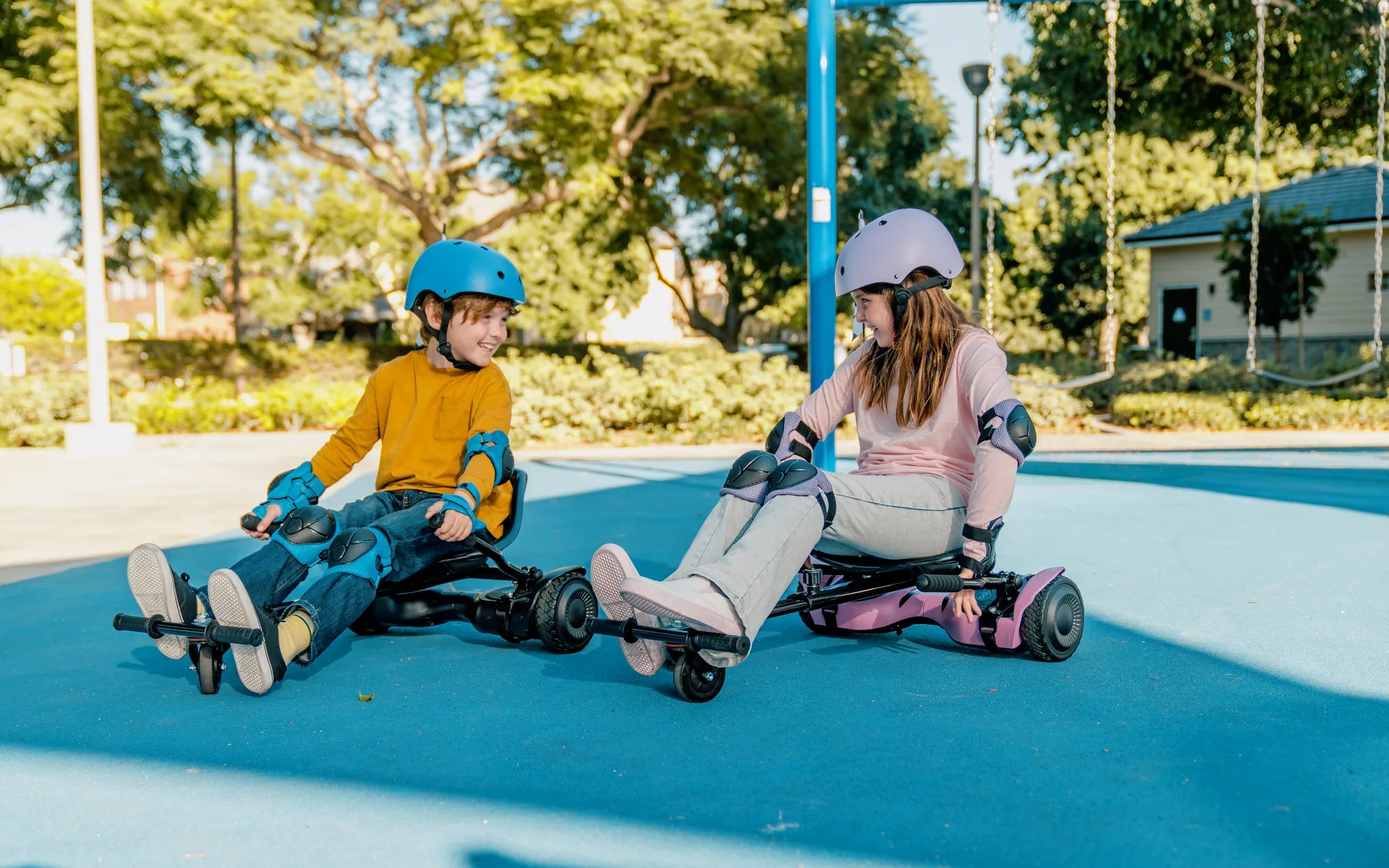
Knee and elbow pads are highly recommended, especially for beginners. They prevent painful scrapes and can prevent more serious injuries. Padded gloves can protect hands during a fall. Let your child choose gear in their favorite colors or designs to make safety feel personally cool.
Setting Ground Rules for Where and How to Ride
Establish clear boundaries before the first independent ride. Designate approved riding areas, such as sidewalks in your immediate neighborhood, bike paths, or driveways. Strictly forbid riding in the street, on busy roads, or in parking lots with moving cars.
Rules should also cover riding at night (discouraged without direct supervision), riding in wet conditions, and respecting pedestrians. Teach hand signals for turning and the importance of staying alert to surroundings—not wearing headphones while riding.
Maintenance 101: Simple Upkeep for Longevity
Involve your child in simple maintenance to foster ownership. Regularly check tire pressure (for pneumatic tires) and look for wear. Test the brakes before each ride to ensure they engage smoothly and firmly.
Every few weeks, check that all bolts and fasteners are tight. Follow the manufacturer's charging instructions: don't leave the scooter plugged in indefinitely, store it in a dry place, and avoid charging immediately after a ride when the battery is warm.
Frequently Asked Questions (FAQs)
Q: What is the right age for a child to start using an electric scooter?
A: Most manufacturers recommend ages 6 and up, as children typically have the necessary balance, coordination, and cognitive ability to follow safety instructions at this age. Always consider your individual child's maturity and physical capabilities first.
Q: How fast do kids' electric scooters go?
A: Speeds are typically capped for safety. Scooters for younger kids (6-9) often max out at 10 mph, while models for older kids and teens may reach 15 mph. The best models feature multiple speed modes, allowing you to lock the speed lower while your child is learning.
Q: Are electric scooters safe for kids?
A> When chosen appropriately and used correctly, they can be very safe. Safety depends on three pillars: 1) Choosing a well-built scooter from a reputable brand with key safety features (speed limits, good brakes, stable design). 2) Mandating the use of a helmet and protective gear every time. 3) Providing parental supervision and establishing clear riding rules.
Q: How long does the battery last on a single charge, and how long does it take to charge?
A: Real-world range varies based on rider weight, terrain, and speed, but most kids' models offer 6 to 12 miles per charge—plenty for extended play. Charging time is usually between 3 to 5 hours for a full charge from empty. It's best practice to not leave it charging unattended or overnight.
Q: What does Gyroor's warranty cover?
A> Gyroor offers a comprehensive 1-year warranty that covers defects in materials and workmanship for the frame, motor, battery, and electronic components. This warranty is a testament to their confidence in the durability and safety of their products, providing significant peace of mind.
Choosing the Right Model for Your Child's Needs
With the checklist and safety principles in hand, you can now match a specific model to your child. Consider their primary use case: is it for smooth pavement in a cul-de-sac, or do they need to handle rougher sidewalk cracks? A scooter with suspension and pneumatic tires is better for the latter.
For younger or first-time riders, prioritize simplicity, a lower top speed, and a very stable deck. For older, experienced kids, features like a longer range, slightly higher speed cap, and more powerful motor for hills might be appropriate. Always err on the side of slightly less power than you think they can handle; they can grow into it.
The cool electric scooter for kids that is right for your family is the one that matches your child's size and skill level today, with a bit of room to grow. It should excite them to go outside and give you confidence in its construction and safety protocols. Brands that are transparent about their engineering, like Gyroor, make this matching process clearer.
Investing in Adventure and Peace of Mind
Selecting a cool electric scooter for kids is ultimately about investing in joyful childhood experiences that are built to last. It’s about choosing a product that understands a child’s desire for thrill and a parent’s imperative for safety. By focusing on certified components like UL-listed batteries, water-resistant design, and clear age guidelines, you turn a fun purchase into a responsible one.
The right scooter becomes a catalyst for outdoor activity, family bonding, and developing a sense of independence. It’s a gift that keeps giving, ride after ride. Trusting a brand with a proven track record of safety and customer satisfaction ensures that the adventure is supported by unwavering reliability.
Ready to find the perfect match for your young rider? Explore a range of thoughtfully engineered options designed for fun and built for safety. Browse the full Gyroor collection at gyroorboard.com to discover the scooter that will deliver endless smiles and unwavering peace of mind.
Hoverboard That Plays Music: The Ultimate Ride and Entertainment Combo
Hoverboard for 5 Year Old Girl: The Ultimate Guide to Safe and Fun Riding