


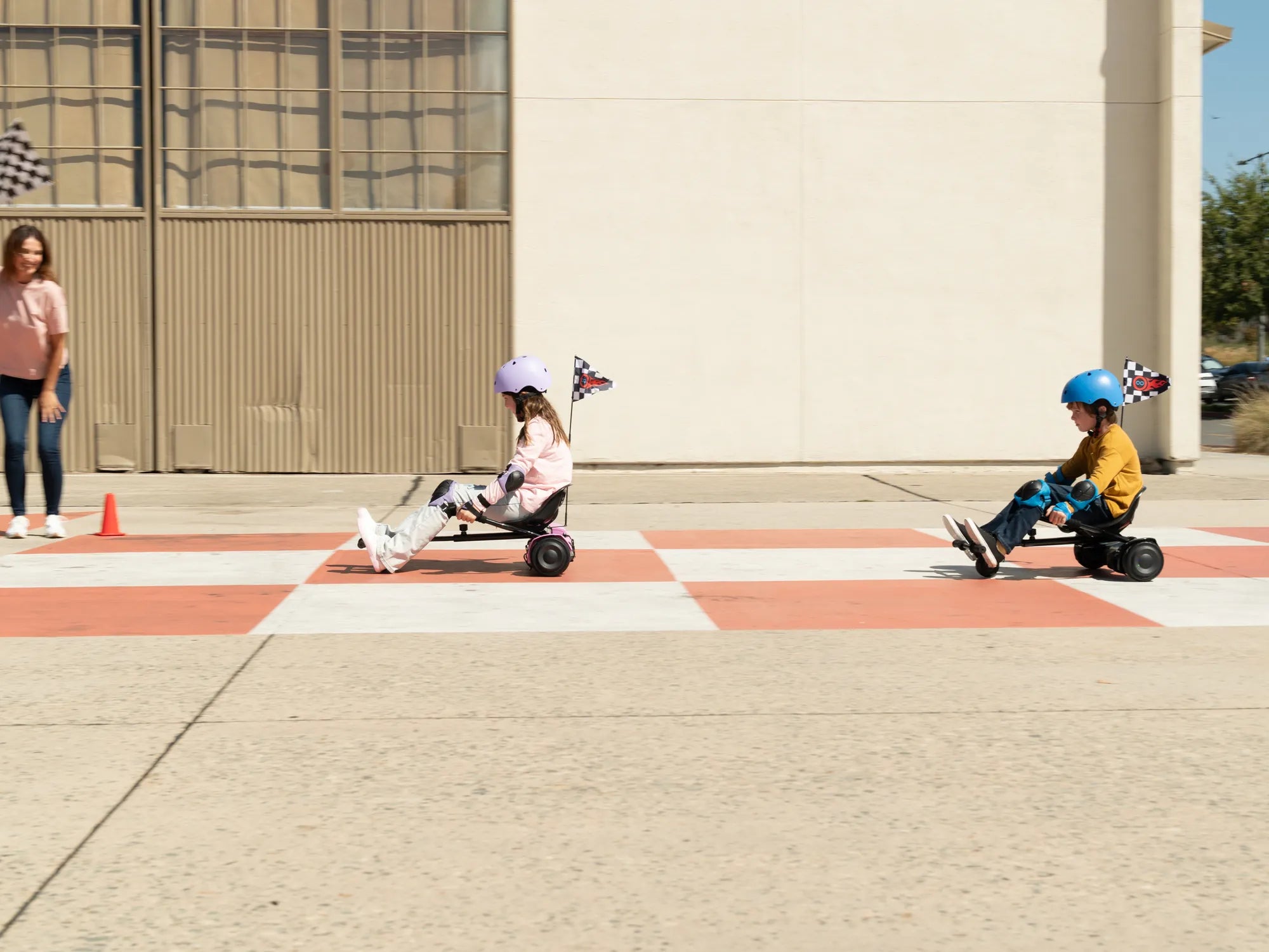
Choosing the right scooter for your child is about more than just picking a colorful toy. It's about selecting a tool for adventure, independence, and physical activity that is built to last and safe to use. The modern Cool Kids Scooter is defined by its ability to merge exhilarating fun with robust safety engineering, durable construction, and features that empower young riders. This guide will dissect what makes a scooter truly great for kids, from non-negotiable safety features to performance specs that deliver smiles. We'll reference industry standards and highlight how leading brands, such as Gyroor—a trusted electric scooter and e-bike brand with over 100,000 riders across North America and Europe—integrate these principles into their youth-focused models.
Defining the "Cool" Factor: Key Features for Safety and Fun
A genuinely cool scooter earns its status by prioritizing safety without sacrificing enjoyment. The appeal for kids comes from sleek design and fun features, while parents value security and durability. This balance is achieved through specific, measurable engineering choices. The best models transform a simple ride into a confidence-building experience.
Data from consumer safety boards indicates that a significant portion of scooter-related injuries stem from mechanical failures or inappropriate sizing. Therefore, the "cool" factor is intrinsically linked to predictable performance and a proper fit. Brands that transparently list weight limits, speed settings, and build materials provide the necessary information for a safe purchase.
For electric models, the definition expands to include battery safety, water resistance, and reliable motor control. A scooter that can handle a puddle, charge safely overnight, and offer a smooth acceleration curve is inherently more versatile and enjoyable. The goal is to minimize frustration from breakdowns and maximize time spent riding.
Safety First: Non-Negotiable Build Features
The foundation of any kids scooter is its physical construction. A wide, textured deck provides a stable platform for standing, reducing the risk of slips. The deck material should be rigid, often aluminum alloy or reinforced polymer, to withstand impacts without cracking. A low deck-to-ground height also lowers the center of gravity for better balance.
Braking systems are critical. A reliable rear fender brake (foot brake) is a standard, intuitive option for younger riders. For faster electric scooters, a hand-operated electronic brake, often combined with a mechanical disc or drum brake, is essential for controlled stopping power. Responsive brakes that engage smoothly prevent jarring stops that could throw a rider.
Finally, every connection point must be secure. Handlebar stems should have a robust locking mechanism, and all bolts should be checked regularly for tightness. A design that minimizes sharp edges and pinch points further reduces injury risk during carrying or incidental contact.
Age-Appropriate Design: Size, Weight, and Adjustability
A scooter that is too large or heavy is difficult to control, while one that is too small becomes unstable and uncomfortable. Adjustable handlebars are a key feature, allowing the scooter to grow with the child over several years. The ideal handlebar height should be between the child's waist and lower chest when standing on the deck.
Weight limits are not suggestions; they are engineering limits. Exceeding them can stress the frame, brakes, and motor. A quality scooter will clearly state a maximum rider weight that includes a safety margin. The scooter's own weight matters too; a lightweight frame (e.g., 10-15 lbs for non-electric, 20-30 lbs for electric) enables kids to maneuver and carry it when needed.
Wheel size correlates with stability and terrain handling. Smaller wheels (120-150mm) are agile for tricks but less stable. Larger wheels (200mm+) roll over cracks and debris more easily. For young beginners, a three-wheel configuration offers superior stability, while two-wheel models suit older kids seeking agility and speed.
The Fun Equation: Speed, Smoothness, and Style
Controlled speed is a source of thrill. Electric scooters for kids should have speed modes. A beginner mode may cap speed at 5-7 mph, while advanced modes can reach 10-15 mph for older, experienced riders. This programmability lets the scooter adapt to a child's growing skill level, extending its useful life.
Smoothness comes from quality wheels and, often, suspension. High-rebound polyurethane (PU) wheels provide a quiet, comfortable ride and good grip. Some models incorporate front or dual suspension to absorb bumps, making rides on uneven sidewalks more enjoyable. A smooth motor with gradual acceleration prevents jerky starts.
Style completes the package. LED lights on the deck or wheels increase visibility during dusk rides and are a major fun factor. Customizable decals or a selection of color schemes allow kids to express their personality. These aesthetic details, when paired with solid performance, create the complete "cool" experience.
Why Gyroor Stands Out: Engineering Trust for Young Riders
In a market filled with options, Gyroor distinguishes itself by applying rigorous adult-grade engineering standards to its youth products. The brand's philosophy centers on building durable, safe vehicles that foster a love for riding. This is evidenced by their commitment to certified components, real-world durability ratings, and strong customer support.
With a product range of over 20 models and a customer base exceeding 100,000, Gyroor has refined its designs based on extensive user feedback. Their focus on UL-certified batteries, IPX5 water resistance, and a reliable 1-year warranty directly addresses the top concerns of parents purchasing electric scooters for their children. This builds a foundation of trust.
The investment in a Gyroor scooter is an investment in long-term, worry-free fun. By prioritizing safety certifications and durable construction, the brand reduces the likelihood of premature failure or safety incidents. This allows families to focus on the joy of the ride rather than potential product liabilities.
UL-Certified Batteries: The Gold Standard for Peace of Mind
The battery is the heart of an electric scooter and its most critical safety component. UL (Underwriters Laboratories) certification means the battery pack has undergone independent, rigorous testing for electrical, fire, and mechanical hazards. Gyroor's use of UL-certified battery packs, tested for 500+ charge cycles, is a non-negotiable safety feature.
This certification specifically guards against risks like thermal runaway, short circuits, and overcharging—scenarios that are paramount when the user is a child. Parents can have peace of mind knowing the power source charging in their garage or home meets stringent third-party safety standards, a claim not all brands can make.
Beyond safety, these batteries offer consistent performance. They maintain their capacity over time, ensuring the scooter's advertised range remains accurate for years. This reliability means fewer disappointments for a child expecting a full afternoon of adventure on a single charge.
Built for Adventure: IPX5 Water Resistance and Durability
Kids will ride through puddles, in light rain, or on dewy grass. An IPX5 water resistance rating means the scooter's electrical components can withstand water jets from any direction, making it resistant to splashes and rain. This engineering choice by Gyroor directly increases the scooter's versatility and lifespan.
This durability extends beyond water. The frames are built from aerospace-grade aluminum alloys, known for their high strength-to-weight ratio. The decks and components are designed to withstand the bumps and drops of active play. A scooter that can survive real-world use without constant maintenance stays in the rotation of favorite outdoor activities.
This ruggedness empowers kids. Instead of being told to avoid puddles or come inside at the first sign of drizzle, they can continue their exploration. This freedom significantly enhances the fun factor and encourages more outdoor time.
Warranty and Support: Investing in Long-Term Fun
A comprehensive 1-year warranty on the scooter, battery, and motor signals a brand's confidence in its product. Gyroor's warranty covers defects in materials and workmanship, protecting your investment. This is crucial for an item that will endure active use and ensures the scooter remains a source of fun, not frustration.
Accessible customer support is equally important. The ability to quickly get help with assembly questions, troubleshooting, or part replacements makes ownership seamless. For parents who are not mechanically inclined, this support network is invaluable for resolving minor issues before they become major problems.
This combination of warranty and support transforms the scooter from a disposable toy into a durable product. It reflects a brand that stands behind its engineering and is committed to the rider's experience throughout the product's life cycle.
Choosing the Right Model: A Practical Guide for Parents
Selecting the perfect scooter requires matching the product's specifications to your child's age, size, skill level, and intended use environment. A mis-match can lead to frustration, underuse, or safety concerns. This decision framework helps parents navigate key specifications to find an optimal fit.
First, honestly assess your child's coordination and maturity. A physically capable but impulsive 8-year-old might need a scooter with stricter speed limits. Next, consider where they will ride most often: smooth pavements, bike paths, or slightly rougher neighborhood sidewalks? This influences wheel size and suspension needs.
Finally, set a budget that includes not just the scooter, but essential safety gear (helmet, pads). Investing in quality from the start often proves more economical than replacing a broken, poorly-made scooter within a year. The following breakdown provides targeted recommendations.
For the Young Beginner (Ages 3-6): Stability and Simplicity
For this age group, the primary goal is building confidence and basic motor skills. Three-wheel scooters are highly recommended as they provide inherent balance, allowing the child to focus on pushing, steering, and braking. Look for a wide wheelbase for extra stability.
Speed must be minimal. Non-electric kick scooters are ideal. If considering an electric model, it must have a very low maximum speed (under 5 mph) and a simple, intuitive control system, often with a push-button start/stop. The braking system should be easy to use, like a large rear fender brake.
The scooter must be lightweight for the child to maneuver and for parents to carry. Adjustable handlebar height is essential to accommodate growth. Bright colors and fun designs help engage young riders and make the scooter more visible to others.
For the Neighborhood Explorer (Ages 7-12): Performance and Range
Older children demand more performance and range. Two-wheel scooters become the standard, offering greater agility for turns and tricks. Electric models are particularly popular here, providing the range to explore further than kicking allows.
Look for models with a higher weight capacity (e.g., 150-200 lbs), a longer battery range (10-15 miles is typical for this segment), and multiple speed modes. A speed cap of around 10-12 mph in the highest mode is generally sufficient and safe for this age group under supervision.
Features like suspension, larger air-filled or honeycomb tires, and brighter LED lighting become more important for comfort and visibility during longer adventures. The construction must be robust enough to handle jumps off curbs and rougher terrain.
Key Comparison Checklist Before You Buy
Use this checklist as a final review before purchasing any kids electric scooter. It ensures all critical factors have been considered.
- Child's Stats: Does the child's height fit the adjustable handlebar range? Is their weight under the scooter's max limit?
- Battery & Range: Is the battery UL-certified? What is the real-world range on a single charge? How long does charging take?
- Speed Control: Does it have multiple speed modes? Can the top speed be parent-restricted (via app or physical switch)?
- Braking System: What type of brakes does it have (electronic, disc, foot)? Are they responsive and smooth to engage?
- Durability: What is the water resistance rating (IPX4 or higher is good)? What is the frame material?
- Warranty & Support: What is the warranty length and what does it cover? Is customer support easily accessible?
Riding Right: Essential Safety Tips and Gear
Even the best-engineered scooter cannot replace proper safety practices and equipment. Establishing rules and habits from the first ride is crucial for preventing injuries. Safety gear is non-negotiable and should be worn on every ride, regardless of distance or location.
Parents must lead by example, both in enforcing rules and in their own behavior when using similar devices. Consistent reinforcement turns these safety measures into automatic habits for the child. The goal is to make safety an integral, unskippable part of the riding experience.
Mandatory Protective Gear
A helmet is the most important piece of safety equipment. It must be properly fitted, sit level on the head, and be certified to standards like CPSC (U.S.) or ASTM. It should be replaced after any significant impact, even if no damage is visible.
Knee and elbow pads protect the joints most vulnerable in a fall. Wrist guards are also highly recommended, as instinct leads to putting hands out during a fall, which can lead to fractures or severe abrasions. All gear should be snug but not restrictive, allowing full movement.
Appropriate footwear is essential. Closed-toe shoes with grippy, flat soles (like sneakers) are required. Sandals, flip-flops, or crocs can slip off or get caught, leading to loss of control or injury.
Establishing Safe Riding Rules
Start practice in a safe, controlled environment like an empty parking lot, driveway, or smooth park path. Master basic operations—starting, stopping, turning, and speed control—before venturing into more complex areas.
Always supervise younger children. For older kids, establish clear boundaries on where they are allowed to ride (e.g., sidewalks only, not crossing major streets). Instill the habit of a pre-ride safety check: test the brakes, ensure tires are properly inflated, and check that the handlebar and stem are securely locked.
Teach situational awareness: watch for pedestrians, cars backing out of driveways, cracks in the pavement, and gravel. Avoid riding at night, but if necessary, ensure the scooter's lights are on and the rider wears reflective clothing. Never allow riding with headphones in, as hearing is a key sense for detecting danger.
Maintenance Guide: Keeping the Scooter in Top Shape
Regular maintenance ensures safety, maximizes performance, and extends the scooter's lifespan. A simple weekly or monthly checklist can prevent most common issues. Most maintenance tasks are quick and can be done with basic tools.
Always refer to the user manual for model-specific instructions and safety warnings, especially concerning the battery and electrical system. Keeping the scooter clean and storing it in a dry, temperate place (avoiding extreme heat or cold) will significantly prolong its life.
Regular Check-Up Tasks
Tires: Check air pressure in pneumatic tires monthly, inflating to the PSI printed on the tire sidewall. For solid (PU) tires, inspect for deep cuts, excessive wear, or deformation.
Brakes: Test brake function before every ride. For mechanical brakes, listen for grinding noises and check pad wear. Adjust cable tension if the brake lever feels loose. For electronic brakes, ensure they engage immediately and smoothly when the lever is pressed.
Fasteners: Every two weeks, use the provided tools to check and tighten all bolts, especially those on the handlebar stem, folding mechanism (if applicable), and wheel axles. Vibration from riding can loosen them over time.
Battery Care: Follow charging instructions precisely. Avoid leaving the scooter plugged in for extended periods after it's fully charged. Do not let the battery fully discharge for long-term storage; maintain a 50-80% charge. Only use the manufacturer-provided charger.
Troubleshooting Common Issues
Scooter won't power on: Check the battery charge level. Ensure the power button is held down correctly. Verify all connections (if user-serviceable) are secure.
Reduced range or power: This is often related to battery age, cold weather, or riding on uphill terrain. If persistent in normal conditions, the battery may be nearing the end of its lifecycle.
Squeaky brakes or wheels: For brakes, this may indicate dirty pads or rotors. Clean with isopropyl alcohol. For wheels, check for debris stuck in the wheel well or a worn bearing.
Wobbly handlebar or stem: Immediately stop riding. Tighten the main clamp or locking mechanism according to the manual. Do not ride until the connection is solid and secure.
Comparison Table: Scooter Types for Different Age Groups
| Feature | Young Beginner (3-6 yrs) | Neighborhood Explorer (7-12 yrs) | Teen/Advanced (13+ yrs) |
|---|---|---|---|
| Recommended Type | 3-Wheel Kick Scooter or Low-Speed Electric | 2-Wheel Electric Scooter | Performance 2-Wheel Electric Scooter |
| Key Priority | Stability, Safety, Simplicity | Range, Durability, Controlled Speed | Speed, Range, Advanced Features |
| Ideal Max Speed | < 5 mph (Electric) | 10-12 mph | 15-20 mph |
| Wheel Size/Type | Small PU Wheels (120-150mm) | Larger PU or Air-Filled (200mm+) | Large, Air-Filled w/ Suspension |
| Essential Features | Adjustable bars, Wide deck, Simple brake | Multiple speed modes, IPX4+ rating, LED lights | Long-range battery, Dual brakes, App connectivity |
| Sample Gyroor Focus* | Stable deck design, parent-controlled speed limits | GYROOR C1S (IPX5, UL battery, 12 mph max) | GYROOR S1 or adult commuter models |
*Always verify current model specifications against the child's age and ability.
Frequently Asked Questions (FAQs)
Q1: What age is appropriate for a child to start using an electric scooter?
Most manufacturers recommend electric scooters for children aged 6 and above. This recommendation is based on the average child's developed coordination, balance, and ability to understand and follow safety rules. The final decision should be based on your individual child's maturity, physical size, and comfort with similar wheeled toys (like bikes or kick scooters).
Q2: How do I maintain my child's electric scooter to ensure its longevity?
Follow a simple routine: 1) Keep it clean and dry; wipe it down after wet rides. 2) Regularly check and tighten all bolts, especially on the handlebar stem. 3) Inspect tire pressure (for air-filled tires) or wear (for solid tires) monthly. 4) Test brakes before every ride. 5) Follow battery care instructions: use the correct charger, avoid extreme temperatures, and don't store it fully discharged.
Q3: Are Gyroor scooters difficult to assemble?
No, most Gyroor scooters are designed for easy home assembly. Typically, assembly involves attaching the handlebars to the stem and securing them with provided clamps or bolts, and sometimes installing the front wheel. All necessary tools and clear, step-by-step instructions are included in the box. The process usually takes 10-20 minutes.
Q4: Can the speed be limited for a beginner?
Yes, many modern electric scooters, including those from Gyroor, feature multiple speed modes. These are often selectable via a button on the display or handlebar. You can set the scooter to a beginner or "ECO" mode that limits top speed (e.g., to 7 mph), and only switch to higher speeds as your child's skill and confidence grow.
Q5: Is water resistance like IPX5 really necessary for a kids scooter?
While not strictly necessary, an IPX5 rating is a highly valuable feature for a kids' product. It means the scooter can withstand water jets and rain, making it resilient against puddles, wet grass, and unexpected weather changes. This dramatically increases the scooter's durability and reduces the risk of water damage from everyday use, offering great peace of mind.
Where Fun Meets Responsibility
The ultimate Cool Kids Scooter is one that masterfully balances the thrilling sense of freedom and fun with an unwavering commitment to safety, durability, and thoughtful design. It's a vehicle for building confidence, encouraging outdoor play, and fostering independence. By choosing a scooter with certified safety components, age-appropriate performance limits, and robust construction, you invest in countless hours of joyful activity rather than a short-lived novelty.
Brands that earn trust, like Gyroor, do so by transparently engineering these principles into their products—from UL-certified batteries for safety to IPX5 ratings for real-world adventure. The right scooter, paired with consistent safety practices and gear, becomes a cornerstone of childhood memories. It teaches responsibility while delivering pure, exhilarating fun.
Ready to find the perfect ride that combines safety, durability, and excitement for your young explorer? Browse the full Gyroor collection at gyroorboard.com to discover scooters built with the trusted engineering details discussed in this guide, backed by reliable support and a commitment to long-term fun.
When Can Kids Use a Scooter: A Parent’s Guide to Safe Scooting
Purple Hoverboard for Kids: The Ultimate Guide to Fun and Safety