

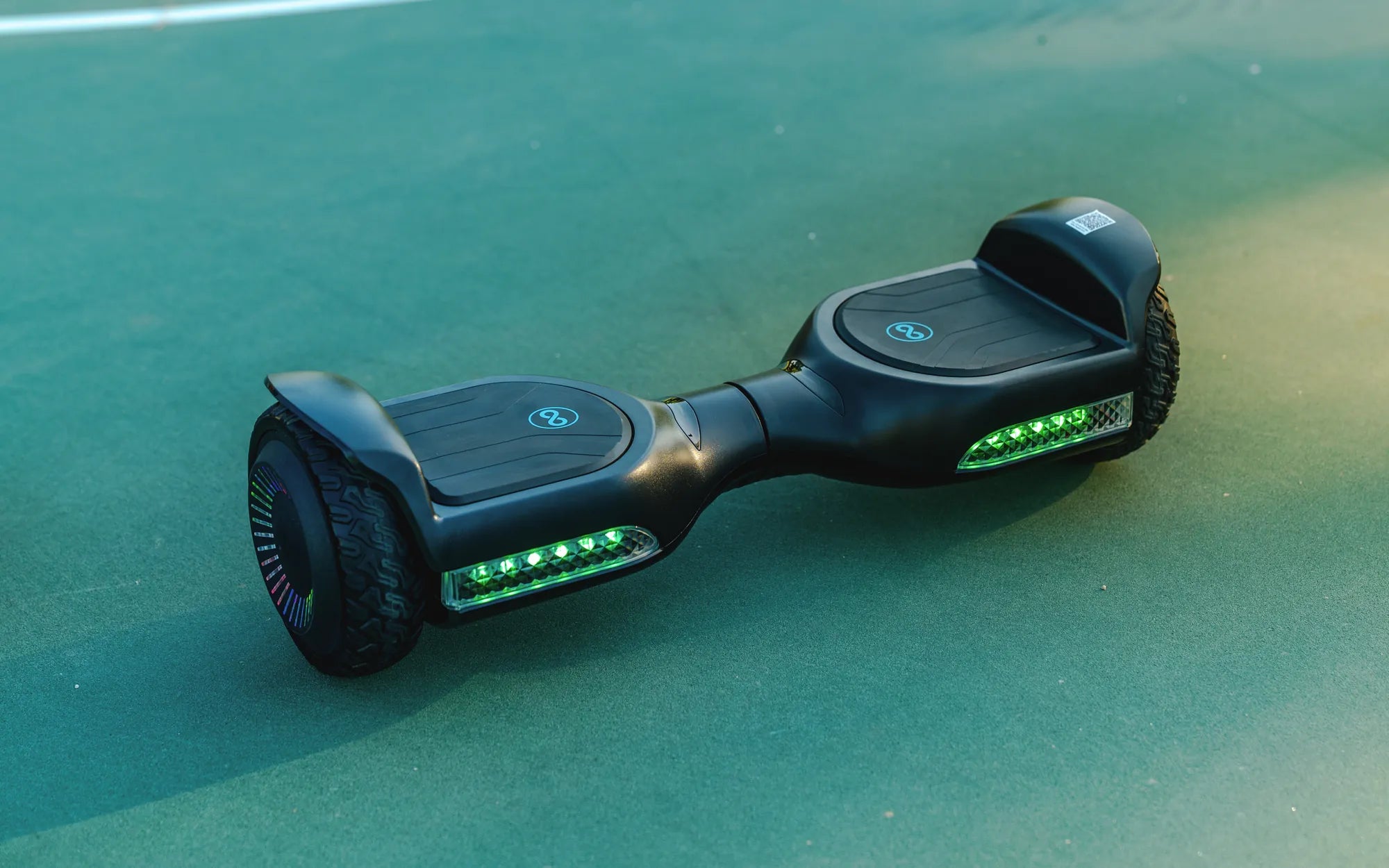
Imagine your child's face lighting up not just from riding a hoverboard, but from commanding a machine that feels uniquely theirs. A customized hoverboard for kids transforms a standard ride into a personal adventure, boosting confidence and outdoor engagement. This guide delves deep into the art and science of personalization, where fun is intrinsically linked to safety. You will learn how to select a fundamentally safe foundation, apply modifications that enhance rather than compromise security, and navigate the entire process from initial concept to final, thrilling ride. We'll ground every recommendation in data and engineering principles, ensuring your child's personalized vehicle is as safe as it is spectacular.
Introduction to Customized Kids' Hoverboards
A customized hoverboard for kids is more than a toy with stickers; it's a thoughtfully tailored personal transportation device. It begins with a high-quality, safety-certified base unit, which is then enhanced with accessories, visual modifications, and software settings that align with a child's personality and skill level. The goal is to increase ownership, pride, and, consequently, responsible riding habits.
Personalization ranges from aesthetic changes like custom decals and color schemes to functional upgrades such as handle attachments for beginners, LED light kits for visibility, and speed limiters controlled via parental apps. This process allows parents to actively participate in creating a safe riding environment tailored to their child's needs, moving beyond a one-size-fits-all product.
Brands like Gyroor provide an ideal foundation for this endeavor. As a leading electric mobility brand trusted by over 100,000 riders, Gyroor's commitment to UL-certified batteries, IPX5 water-resistant designs, and robust construction means parents start with a secure platform. From this reliable canvas, safe and creative customization can truly flourish, merging individuality with engineering integrity.
Why Customize? Beyond Aesthetics to Safety & Confidence
The primary benefit of customization is often perceived as visual appeal, but its impact on safety and rider psychology is profound. A child who feels connected to their hoverboard is more likely to treat it with respect, follow safety rules, and engage in regular practice, which directly improves control and skill.
Functional customizations directly enhance safety. Adding a handlebar attachment for beginners provides physical stability, reducing falls during the learning phase. Applying high-visibility decals or LED lights makes the rider more conspicuous to pedestrians and vehicles at dusk. Using a manufacturer's app to set a permanent lower speed limit ensures the hoverboard matches the child's developing reflexes.
This sense of ownership fosters responsible behavior. When children help choose the decals or light colors, they become stakeholders in their vehicle's upkeep and safe operation. It transforms the hoverboard from a disposable gadget into a valued personal asset, encouraging a more mindful approach to riding and maintenance.
Data from rider engagement suggests that personalized vehicles see higher rates of proper safety gear usage. A child excited to show off their custom ride is also more likely to wear matching or complementary safety gear, creating a positive feedback loop where style promotes safety compliance. The psychological confidence gained from mastering a machine that feels "theirs" cannot be understated for skill development.
The Safety-First Foundation: Non-Negotiables for Any Custom Build
Every safe customization is built upon an inherently safe base. Compromising on core safety features for the sake of lower cost or flashy looks is an unacceptable risk. The foundation must be unshakable.
UL-Certified Battery & Electronics: This is the most critical component. A UL 2272 certification (for the entire device) or UL 2271 (for the battery pack) means the power system has passed rigorous tests for electrical, mechanical, and fire safety. It is the benchmark for preventing thermal runaway and battery fires. Brands like Gyroor use these certified battery packs, tested for 500+ charge cycles, as a non-negotiable standard.
IP Water Resistance Rating: A rating of IPX5 or higher is essential for real-world use. It signifies protection against water jets from any direction, allowing the hoverboard to safely navigate damp pavement, grass, and accidental puddles without internal damage or short-circuiting. This durability is a core safety feature, not just a convenience.
Robust Construction & Self-Balancing Tech: The frame must be made of high-impact materials to withstand the bumps of learning. Equally important is reliable, responsive self-balancing technology with gyroscopic sensors that provide immediate stabilization. A wobbly or laggy platform is dangerous before any customization begins.
Manufacturer Warranty & Support: A comprehensive warranty (like Gyroor's reliable 1-year coverage) is a signal of quality and provides a safety net. It also dictates what modifications are permissible without voiding this protection. Starting with a reputable brand ensures access to replacement parts, firmware updates, and customer service.
A Step-by-Step Guide to Personalizing Your Child's Hoverboard
Step 1: Select the Right Base Model. Choose a hoverboard designed for your child's age and weight range, with all the foundational safety features listed above. Consider models that offer customization-friendly features from the factory, such as built-in RGB LED light systems or companion apps.
Step 2: Plan Your Modifications. Separate wants from needs. Prioritize safety-enhancing mods (training wheels, lights) over purely aesthetic ones. Create a list and research each accessory to ensure it's compatible with your specific model and does not obstruct vents, sensors, or lights.
Step 3: Implement Aesthetic Customizations Safely. Use high-quality vinyl decals or wraps designed for outdoor use. Avoid painting the board, as paint can clog cooling vents, add conductive material where it shouldn't be, and void the warranty. Ensure any applied material does not cover indicator lights, charging ports, or grip tape.
Step 4: Add Functional Accessories. Install handle attachments or training wheels according to the manufacturer's instructions, ensuring they are tightly secured. Add aftermarket LED light strips only if they are specifically designed as hoverboard accessories with proper connectors; never splice wires into the board's main battery circuit.
Step 5: Configure Digital Controls. If your model has a companion app, use it to set the maximum speed to a beginner-friendly level (often 4-6 mph), enable learning modes, and monitor battery health. This software-based customization is one of the safest and most effective ways to tailor the experience.
Step 6: Final Safety Check. Before the first ride, double-check that all screws are tight, no wires are pinched, lights function correctly, and the board balances perfectly on its own. Test the brakes and responsiveness in a clear, safe area.
Gyroor Models: The Perfect Canvas for Your Custom Creation
Gyroor's lineup is engineered with the safety and durability required for responsible customization. Their models serve as exemplary platforms for personalization.
The Gyroor S5 is a standout model for kids and beginners. It features a robust frame, UL-certified battery, and IPX5 water resistance. Its built-in RGB ambient lighting system offers immediate visual customization via a remote. The S5's reliable 400W dual motors provide smooth power, and its design accommodates add-on handlebars for learning, making it a prime candidate for safe, staged personalization.
For older kids seeking more performance that can still be tailored, the Gyroor H20 offers all-terrain capabilities with its air-filled tires. Despite its ruggedness, it maintains the core safety certifications and can be customized with durable decals and auxiliary lights for off-path adventures. Its stability provides a confident base for riders graduating to more advanced terrain.
All Gyroor hoverboards share critical safety DNA: UL-certified battery systems, IPX5-rated construction, and a 1-year warranty. This consistency means any model chosen provides the secure foundation from which parents can confidently explore accessory additions and visual personalization, knowing the core electronics are protected and reliable.
Customization Do's and Don'ts: A Parent's Checklist
DO:
- DO start with a UL-certified, water-resistant base model from a reputable brand.
- DO use manufacturer-approved accessories whenever possible.
- DO personalize with high-visibility elements like reflective tape or bright colors.
- DO utilize parental control apps to set speed limits and monitor diagnostics.
- DO ensure all add-ons are securely fastened and do not exceed the board's total weight limit.
- DO keep the original packaging and documentation, especially the warranty card.
DON'T:
- DON'T modify the electrical system, battery, or internal wiring in any way.
- DON'T use aftermarket or uncertified battery chargers.
- DON'T obscure any sensors, ventilation grills, indicator lights, or the charging port.
- DON'T attach heavy or bulky items that could affect the board's center of gravity and self-balancing mechanism.
- DON'T ignore the manufacturer's guidelines for compatible accessories and weight limits.
- DON'T assume customization eliminates the need for full safety gear.
Gear Up! Essential Safety Equipment for Custom Rides
A customized hoverboard for kids demands an equal commitment to personalized protection. The coolest ride must be paired with comprehensive safety gear, which can also be customized to foster enthusiasm for wearing it.
A certified multi-impact helmet is non-negotiable. Look for CPSC (U.S.) or CE (Europe) certification. Many brands offer helmets in various colors and designs; let your child choose one that complements their board. Knee and elbow pads are crucial, as falls often involve impacts to these joints. Wrist guards are highly recommended to prevent common fractures from outstretched hands.
Footwear is part of the safety system. Closed-toe shoes with flat, grippy soles (like skate shoes) are mandatory. Sandals, crocs, or flip-flops offer zero protection and poor control. Consider adding custom LED shoelaces or reflective patches to the gear to integrate it into the personalized theme, making the full safety suite part of the "look."
This approach reframes safety gear from a chore to a component of the rider's identity. When the helmet and pads are part of the custom ensemble, compliance increases dramatically. Regularly inspect gear for cracks, compromised straps, or wear and tear, and replace it immediately if damaged.
Key Considerations: Custom vs. Standard Hoverboards
| Feature | Standard Hoverboard | Customized Hoverboard (Safe Build) |
|---|---|---|
| Safety Foundation | Depends on brand; may lack certifications. | Begins with UL-certified, IPX5+ base (e.g., Gyroor). |
| Rider Engagement | Generic; may lose child's interest faster. | High; personal connection promotes responsible use. |
| Safety Features | Fixed by manufacturer. | Enhanced with added visibility, handles, and app-controlled speed limits. |
| Cost | Often lower upfront cost. | Higher initial investment in quality base + accessories. |
| Warranty Status | Typically intact. | Remains intact if manufacturer guidelines for modifications are followed. |
| Uniqueness | Mass-produced appearance. | A one-of-a-kind ride that reflects the child's personality. |
| Parental Control | Limited to physical controls. | Extended via app connectivity for speed, mode, and tracking. |
Frequently Asked Questions (FAQs)
What is the right age and weight for a child's hoverboard?
Most manufacturers recommend ages 8 and up, with a minimum weight of 44 lbs (20 kg) to properly activate the sensors, and a maximum weight typically between 165-220 lbs (75-100 kg). Always check your specific model's specifications. Emotional maturity, coordination, and the ability to understand safety rules are as important as chronological age.
How do I ensure my customizations don't void the warranty?
Stick to modifications that are non-invasive. Using vinyl decals, adding manufacturer-approved handle attachments, and using the official app for settings will not void a reputable warranty like Gyroor's 1-year coverage. Any modification that requires opening the casing, splicing wires, or replacing internal components almost certainly will. Always review the warranty terms first.
Are hoverboard batteries safe, especially after adding lights?
Batteries in certified hoverboards from brands like Gyroor are safe, having passed stringent UL tests. Adding low-power, plug-and-play LED light kits designed for hoverboards generally poses minimal risk if they draw power correctly from the designated port. The danger arises from connecting high-wattage lights or tampering with the battery pack itself, which must never be done.
Where is it safe for my child to ride a customized hoverboard?
Start on flat, smooth, private surfaces like driveways or empty tennis courts. Avoid public roads, streets with traffic, steep hills, and areas with gravel or sand. As skills improve, smooth park paths or sidewalks (where local laws permit) are acceptable. Enhanced visibility from custom lights and decals is especially valuable in these slightly more open environments.
How do I maintain a customized hoverboard?
Maintenance is key. Regularly check tire pressure (if applicable), clean the board with a damp cloth (avoiding direct water spray on joints), and inspect for loose parts on both the board and any accessories. Store it in a cool, dry place. Charge the battery with the provided charger, and avoid draining it completely. Periodically check that all custom elements (decals, lights) remain securely attached.
Unleashing Personality, Powered by Safety
The journey to creating a customized hoverboard for kids is a rewarding project that blends creativity with practical engineering and safety science. It demonstrates that personal expression and rigorous safety standards are not just compatible but complementary. The fun is magnified when it springs from a foundation of trust and reliability.
By choosing a base model with uncompromising certifications and then layering on thoughtful, secure personalizations, you gift your child more than a ride. You provide an experience that builds confidence, encourages outdoor activity, and teaches the value of responsible ownership. The ultimate customization is the peace of mind that comes from knowing every flash of light and burst of color is backed by a battery tested for safety and a frame built to protect.
Ready to start your child's personalized riding adventure on the safest possible foundation? Explore Gyroor's range of UL-certified, durable hoverboards, the perfect canvas for your family's custom creation. Browse the full Gyroor collection at gyroorboard.com and discover how quality engineering makes extraordinary personalization possible.
Christmas Gift Ideas for Boys Age 12: Fun and Engaging Presents They’ll Love
Light Weight Electric Scooter for Kids: The Ultimate Guide for Parents