

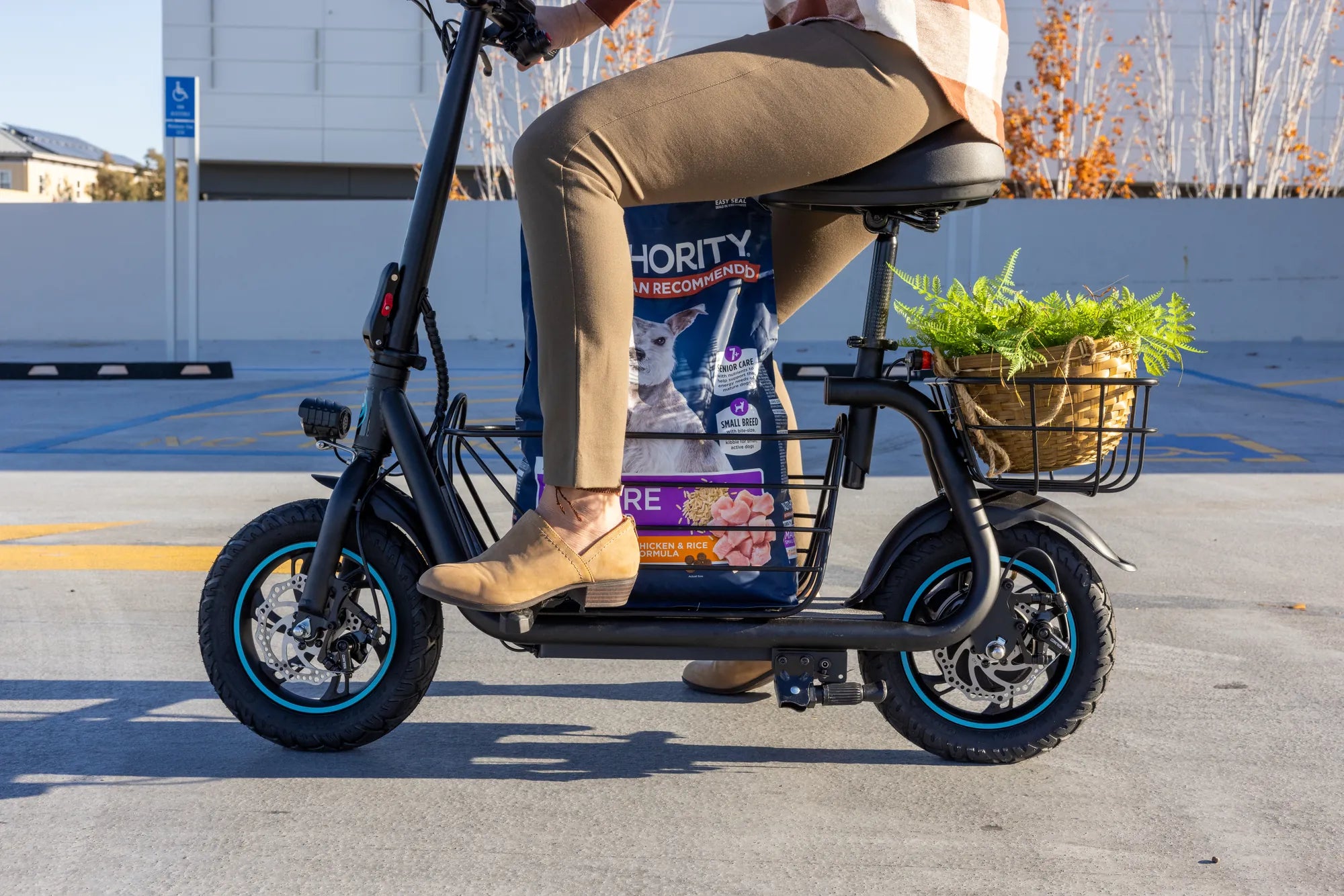
Are you torn between choosing an e-bike or a regular bike? Both have their unique advantages, but understanding the differences can help you make the right decision. Whether you're a fitness enthusiast, a daily commuter, or just looking for a fun way to get around, this guide will break down everything you need to know.
Performance and Speed
One of the most noticeable differences between an e-bike and a regular bike is performance. E-bikes come equipped with an electric motor that provides pedal assistance, allowing you to ride faster and tackle hills with ease. Depending on the model, e-bikes can reach speeds of up to 28 mph, while regular bikes rely solely on human power, making them slower and more physically demanding.
Effort and Physical Exertion
Riding a regular bike requires significant physical effort, making it an excellent choice for those looking to improve fitness. On the other hand, e-bikes reduce the strain on your legs and lungs, making them ideal for longer commutes or riders with physical limitations. However, many e-bikes allow you to adjust the level of assistance, so you can still get a workout if desired.
Cost and Budget Considerations
E-bikes are generally more expensive than regular bikes due to their advanced technology, including the motor, battery, and electronic components. While a high-quality regular bike may cost a few hundred dollars, e-bikes often start in the thousands. However, the long-term savings on fuel and public transportation can offset the initial investment for some riders.
Maintenance and Repairs
Regular bikes are simpler in design, making them easier and cheaper to maintain. E-bikes, with their electrical components, require specialized care and occasional battery replacements. If you're not tech-savvy, you may need to visit a professional for repairs, which can add to the overall cost of ownership.
Environmental Impact
Both e-bikes and regular bikes are eco-friendly alternatives to cars, but e-bikes have a slightly higher carbon footprint due to battery production and electricity usage. That said, they still emit far less pollution than motor vehicles, making them a greener choice for urban commuting.
Legal and Regulatory Differences
E-bikes are subject to specific regulations in many regions, including speed limits and where they can be ridden. Some areas classify them similarly to mopeds, requiring licenses or helmets. Regular bikes, on the other hand, face fewer restrictions, making them more versatile for casual riding.
Which One Should You Choose?
The decision between an e-bike and a regular bike ultimately depends on your lifestyle, budget, and riding goals. If you prioritize speed, convenience, and less physical strain, an e-bike might be the way to go. But if you're looking for a cost-effective, low-maintenance option that doubles as a workout, a regular bike could be the better fit.
Ready to hit the road? Whether you opt for the effortless glide of an e-bike or the classic simplicity of a regular bike, both options offer a fantastic way to explore, commute, and stay active. The choice is yours—so why not test ride both and see which one feels right?
Little Tricycle: The Timeless Joy of Childhood Wheels
Little Tricycle: The Timeless Joy of Childhood Wheels