


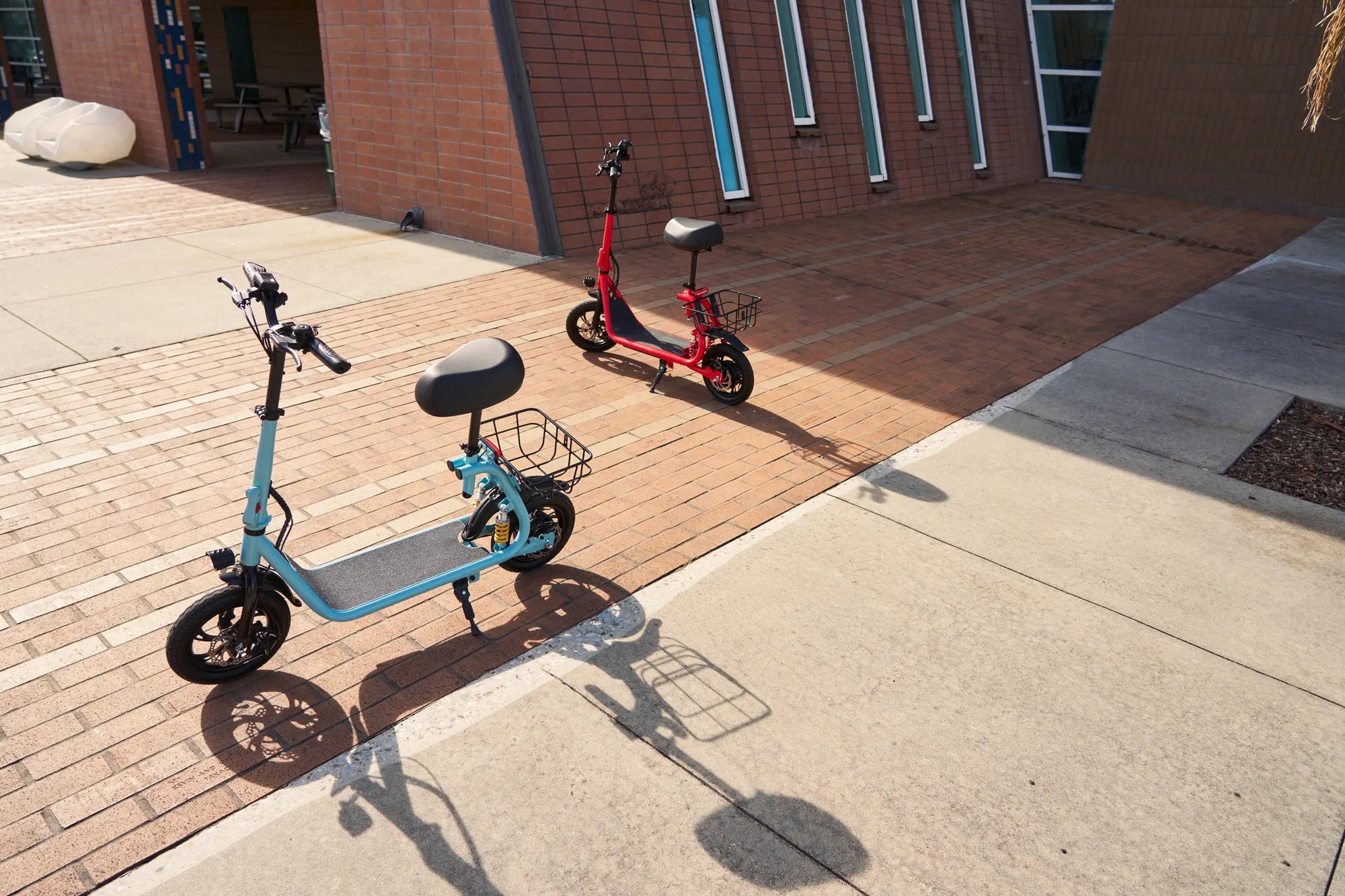
If you're torn between choosing an electric bike or a traditional bicycle, you're not alone. Both options have unique advantages, but understanding the differences can help you make the best decision for your needs. Whether you're a daily commuter, a fitness enthusiast, or just looking for a fun way to get around, this guide breaks down everything you need to know.
Performance and Riding Experience
One of the most noticeable differences between electric bikes and regular bikes is the riding experience. Electric bikes (e-bikes) come with a motor that assists your pedaling, making it easier to tackle hills, long distances, and headwinds. This means you can arrive at your destination without breaking a sweat, which is ideal for commuters or those with limited physical endurance.
Regular bikes, on the other hand, rely solely on human power. While this requires more effort, it offers a more intense workout and a greater sense of accomplishment. If fitness is your primary goal, a traditional bike might be the better choice.
Cost Comparison
Electric bikes are generally more expensive than regular bikes due to their advanced technology, including the motor, battery, and electronic components. While you can find budget-friendly e-bikes, high-quality models often come with a premium price tag.
Regular bikes are more affordable upfront, with a wide range of options to fit any budget. However, it's important to consider long-term costs, such as maintenance and potential savings on fuel or public transportation if you're using the bike for commuting.
Maintenance and Upkeep
E-bikes require more maintenance than regular bikes because of their electrical components. The battery needs regular charging, and the motor may require occasional servicing. Additionally, repairs can be more complex and costly if something goes wrong with the electronic systems.
Traditional bikes are simpler to maintain, with fewer components that can malfunction. Basic upkeep includes chain lubrication, tire inflation, and brake adjustments, which most riders can handle themselves with minimal tools.
Environmental Impact
Both electric and regular bikes are eco-friendly alternatives to cars, but there are differences in their environmental footprints. E-bikes consume electricity, which may come from non-renewable sources depending on your local grid. However, they still produce far fewer emissions than motor vehicles.
Regular bikes have zero emissions since they rely entirely on human power. They are the greenest option for transportation, making them ideal for environmentally conscious riders.
Legal and Safety Considerations
E-bikes are subject to specific regulations in many regions, including speed limits and where they can be ridden. Some areas classify them similarly to mopeds, requiring helmets or even licenses. Always check local laws before purchasing an e-bike.
Regular bikes face fewer restrictions, making them more accessible for casual riders. Safety gear like helmets and lights are still recommended, but the rules are generally less stringent.
Which One Should You Choose?
The decision between an electric bike and a regular bike ultimately depends on your lifestyle, budget, and priorities. If you want effortless commuting, an e-bike is a fantastic choice. If you prefer a workout and a simpler ride, a traditional bike might be the way to go.
No matter which option you pick, both electric and regular bikes offer a sustainable, healthy, and enjoyable way to get around. So, why not take one for a spin and see which one feels right for you?
How Long Does It Take for an E-Bike Battery to Charge: A Complete Guide
Electric Bike for Adults with Peak 500W: The Ultimate Commuting Companion