


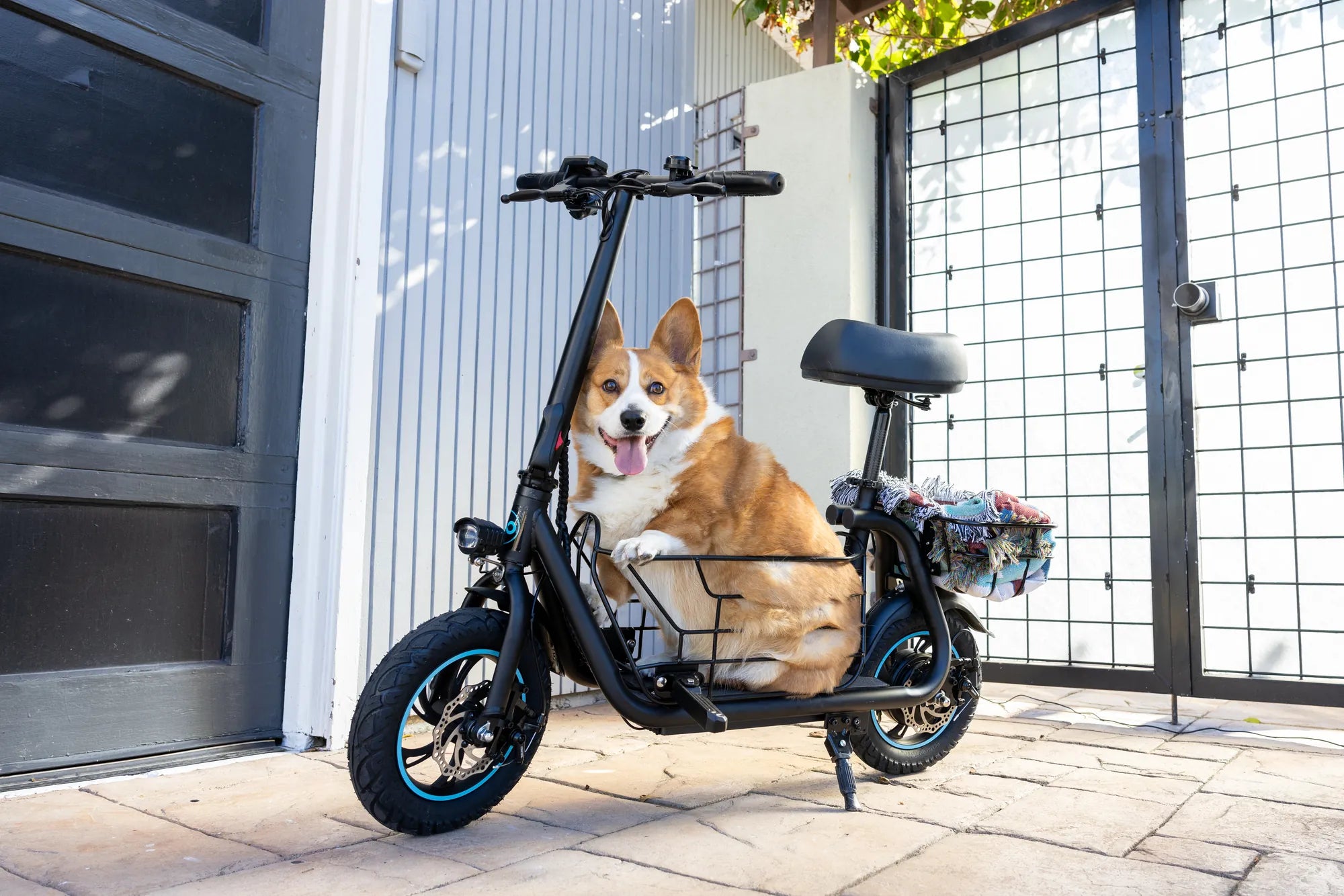
Are you torn between choosing a traditional scooter or an electric scooter? Understanding the differences between these two popular modes of transportation is crucial before making a decision. Whether you're looking for fuel efficiency, speed, or environmental benefits, this guide will help you weigh the pros and cons.
Mechanics and Power Source
The most obvious difference between a scooter and an electric scooter is the power source. Traditional scooters run on gasoline, requiring regular refueling at gas stations. They have an internal combustion engine that converts fuel into motion. On the other hand, electric scooters are powered by rechargeable batteries, eliminating the need for gasoline altogether. This makes them more environmentally friendly and cost-effective in the long run.
Speed and Performance
When it comes to speed, traditional scooters generally outperform electric scooters. Gas-powered scooters can reach higher top speeds, making them suitable for longer commutes or highway use. Electric scooters, however, are designed for urban environments with lower speed limits. They typically max out at around 25-30 mph, depending on the model and local regulations.
Maintenance and Upkeep
Maintenance is another area where these two types of scooters differ significantly. Traditional scooters require regular oil changes, spark plug replacements, and other engine-related upkeep. Electric scooters, by contrast, have fewer moving parts and don't require oil changes. However, their batteries degrade over time and may need replacement after a few years of use.
Environmental Impact
Electric scooters are the clear winner when it comes to reducing your carbon footprint. They produce zero emissions during operation, while gas-powered scooters contribute to air pollution. If sustainability is a priority for you, an electric scooter is the better choice.
Cost Considerations
Initially, traditional scooters tend to be cheaper than their electric counterparts. However, when you factor in fuel costs and maintenance over time, electric scooters often prove more economical. Electricity is generally cheaper than gasoline, and the reduced maintenance needs of electric models can lead to significant savings.
Range and Refueling
Gas-powered scooters typically offer greater range between fill-ups compared to electric scooters between charges. You can refuel a traditional scooter in minutes at any gas station, while charging an electric scooter can take several hours. This makes traditional scooters more practical for long-distance travel.
Noise Levels
Electric scooters operate almost silently, which can be a major advantage in urban areas where noise pollution is a concern. Traditional scooters, with their combustion engines, produce noticeable noise during operation.
Legal Requirements
In many jurisdictions, electric scooters face different regulations than gas-powered ones. Some areas require licenses and insurance for traditional scooters but not for electric models. Always check local laws before making a purchase.
Riding Experience
The riding experience differs between the two types. Traditional scooters offer the familiar feel of a motorcycle with gear shifting and engine vibrations. Electric scooters provide smooth acceleration without gear changes, making them easier to ride for beginners.
Storage and Portability
Many electric scooters are designed to be foldable and lightweight, making them easier to store and transport when not in use. Traditional scooters are generally heavier and not as portable.
Now that you understand the key differences between scooters and electric scooters, you're better equipped to choose the right option for your needs. Whether you prioritize speed, convenience, or eco-friendliness, there's a perfect ride waiting for you. The choice ultimately depends on your lifestyle, budget, and personal preferences - so weigh your options carefully before hitting the road!
Rules to Ride Electric Scooter: A Complete Guide for Safe and Legal Riding
Fastest Dark Gray E-Scooter: Speed, Style, and Performance Combined