

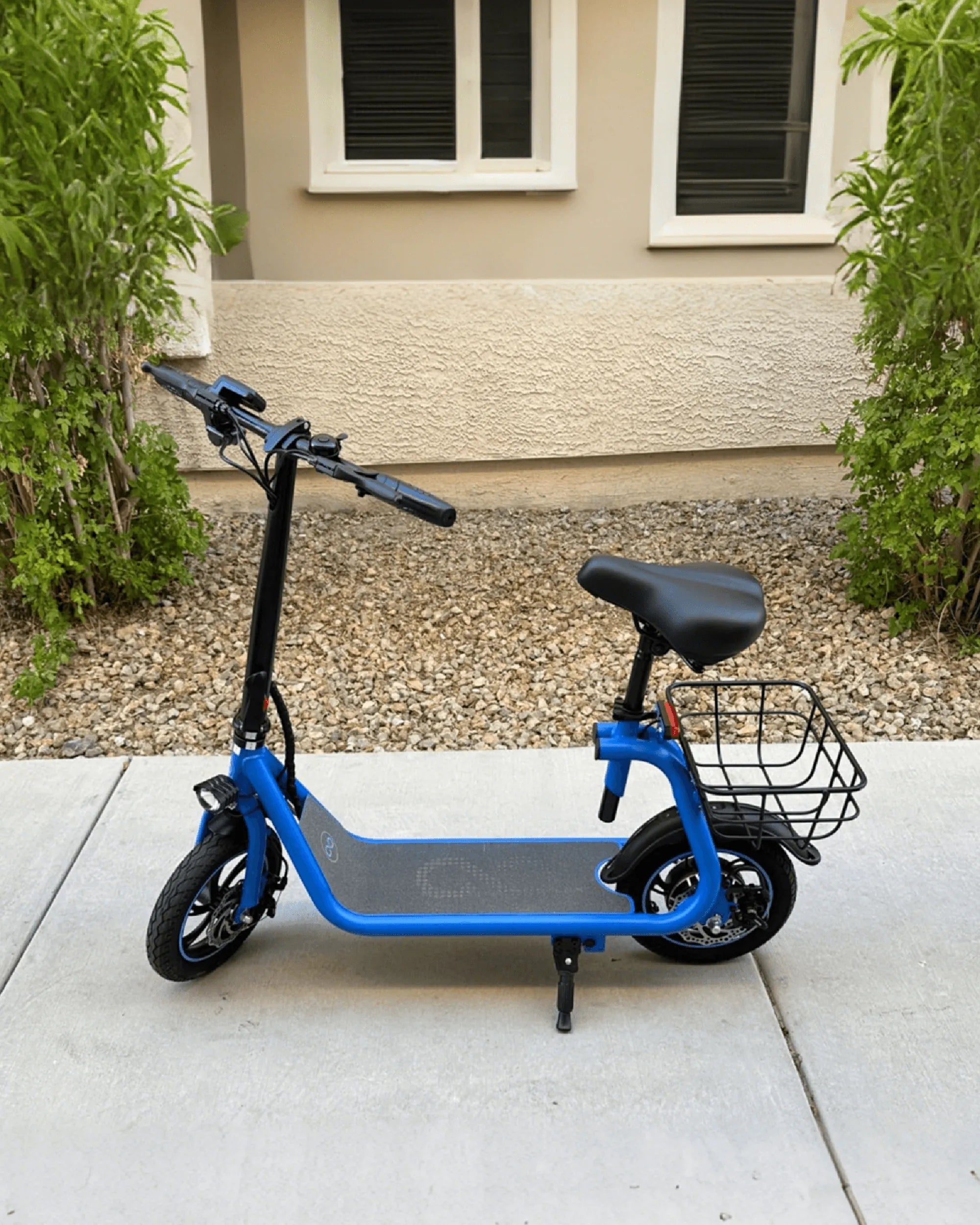
Choosing the right mobility scooter can be a game-changer for independence and daily convenience. But before you make a purchase, understanding the dimensions of a mobility scooter is essential to ensure it fits your lifestyle and environment. From navigating tight spaces to storing it at home, the right size makes all the difference.
Why Dimensions Matter
The dimensions of a mobility scooter directly impact its usability. A scooter that's too large may be difficult to maneuver indoors, while one that's too small might not provide enough stability or comfort. Key measurements include length, width, height, and weight capacity.
Length and Width
The length and width of a mobility scooter determine how easily it can navigate through doorways, hallways, and crowded spaces. Standard doorways are typically 32 inches wide, so a scooter with a width of 22-24 inches is ideal for indoor use. Longer scooters may offer more legroom but can be harder to turn in tight spaces.
Height and Seat Adjustability
The height of the scooter, including the seat, affects comfort and accessibility. Look for models with adjustable seats to accommodate users of different heights. The seat height should allow your feet to rest flat on the footrests while your knees are at a 90-degree angle.
Weight Capacity
Every mobility scooter has a maximum weight capacity, which includes the user and any additional items like bags or groceries. Exceeding this limit can affect performance and safety. Always check the manufacturer's specifications to ensure the scooter can support your weight.
Folding and Disassembly
For those who need to transport their scooter frequently, folding or disassembling capabilities are a must. Compact models can often be broken down into smaller parts, making them easier to store in a car trunk or small apartment.
Ground Clearance
Ground clearance is the distance between the bottom of the scooter and the ground. Higher clearance is better for outdoor use, as it can handle uneven terrain and small obstacles. Indoor scooters usually have lower clearance for stability on smooth surfaces.
Turning Radius
The turning radius indicates how tightly the scooter can turn. A smaller turning radius is better for indoor use, allowing you to navigate around furniture and tight corners with ease.
Battery and Range
While not directly related to dimensions, the battery size and range are influenced by the scooter's size. Larger scooters often have bigger batteries, providing longer distances between charges. However, they may also be heavier and harder to transport.
Storage Considerations
Before buying, measure the space where you plan to store the scooter. Ensure there's enough room to park it without obstructing walkways. If you live in a small apartment, a compact or foldable model might be the best option.
Test Before You Buy
Whenever possible, test the scooter in person to ensure it meets your needs. Pay attention to how it feels when sitting, turning, and maneuvering in tight spaces. Comfort and ease of use are just as important as the dimensions.
Finding the perfect mobility scooter is about balancing size, comfort, and functionality. With the right dimensions, you'll enjoy greater freedom and confidence in your daily activities. Don't settle for less—measure twice and ride with ease!
Why Doesn't My Electric Scooter Turn On? Troubleshooting Guide
Top 20 Electric Scooter in India: The Ultimate Buying Guide for 2024