

Introduction: Your Dirt Bike Helmet is Your Most Important Piece of Gear
Every ride begins with a single, critical decision: strapping on your helmet. For dirt bike and off-road riders, this piece of equipment is non-negotiable life-saving technology. Head injuries are a leading cause of serious trauma in motorcycle accidents, and a purpose-built dirt bike helmet is your first and best defense. This guide will dissect the engineering, explain the standards, and provide a clear roadmap for selecting the right protection. You'll learn not just what to buy, but why it matters, creating a foundation of safety that parallels the reliability we demand from all our powered gear.
Anatomy of a Dirt Bike Helmet: Deconstructing the Technology
A modern dirt bike helmet is a marvel of materials science and biomechanical engineering. It's far more than a hard shell; it's a system designed to manage catastrophic energy. Understanding its components demystifies price points and highlights critical safety features. This knowledge transforms your purchase from a casual buy into an informed investment in your well-being on the trail.
The Outer Shell: Materials and Impact Management
The shell is the first point of contact. Its primary job is to prevent penetration and spread impact forces over a larger area. Common materials include polycarbonate (lightweight, affordable), fiberglass composite (excellent strength-to-weight ratio), and carbon fiber (premium light weight and strength). Higher-end materials often allow for more complex shell shapes with integrated channels for better ventilation without compromising structural integrity.
The Liner: EPS Foam and Multi-Density Absorption
Beneath the shell lies the heart of the helmet: the Expanded Polystyrene (EPS) foam liner. This layer crushes in a controlled manner to absorb the kinetic energy of an impact, decelerating the brain. Advanced helmets use multi-density liners—softer foam in key areas for low-speed impacts and denser foam for high-speed hits. This tailored approach manages a wider range of crash scenarios more effectively.
Visor, Goggle Compatibility, and Ventilation
Dirt bike helmets feature a pronounced peak or visor to deflect sun, rain, and roost from riders ahead. They are designed to work seamlessly with goggles, lacking a built-in face shield. Ventilation is paramount, with multiple intake and exhaust ports creating airflow to combat heat and fogging during intense physical exertion. A proper ventilation system is a key differentiator from street helmets.
Safety Certifications Decoded: DOT, ECE, and Snell
Certifications are your objective baseline for safety. They represent a helmet's ability to pass standardized laboratory tests. Understanding these labels is the most critical step in the selection process. Never purchase a helmet without at least one recognized certification; it's the bare minimum proof of intended protective capability.
The U.S. Department of Transportation (DOT) standard is a self-certification minimum requirement for helmets sold in the United States. The Economic Commission for Europe (ECE 22.06) certification is a rigorous global standard required for sale in over 50 countries, involving a wider array of impact and strap system tests. The Snell Memorial Foundation certification is a voluntary, non-governmental benchmark often considered the most stringent, with higher impact test thresholds and additional protocols for shell integrity.
For most riders, an ECE 22.06 certified helmet represents an excellent balance of proven, comprehensive safety. Snell certification is sought by those wanting the highest performance benchmark. DOT alone should be considered the absolute legal minimum. Always look for the certification label inside the helmet, not just a sticker on the shell.
The Critical Importance of Fit: How to Find Your Match
The safest helmet in the world is useless if it doesn't fit correctly. A poor fit can compromise protection, cause distractions, and lead to fatigue. The goal is a snug, even pressure around the entire circumference of your head without painful pressure points. It should feel like a firm handshake for your skull.
Start by accurately measuring your head circumference at its widest point, about an inch above your eyebrows. Use this measurement with the manufacturer's size chart—sizes can vary between brands. When trying on a helmet, it should sit level on your head with the top of the eye port aligning with your eyebrows. Perform the "shake test": with the chin strap secured, try to rotate the helmet from side to side and front to back. Your skin and scalp should move with the helmet, not slide independently over your skull.
Always try on a helmet with the goggles you intend to use. Wear it for at least 10-15 minutes in the store to identify any developing hot spots. Cheek pads should be full but not excessively tight. Remember, interior liners will compact slightly over time (about 10-20%), so a new helmet should be on the tighter side of comfortable.
Advanced Safety Tech: Understanding MIPS and Rotational Protection
Traditional helmet standards focus primarily on linear impacts—straight-on blows. However, many real-world crashes involve angled impacts that create rotational forces, which can cause severe brain injuries like concussions and diffuse axonal injury. This understanding has led to the development of technologies addressing rotational motion.
MIPS (Multi-directional Impact Protection System) is the most prevalent solution. It features a low-friction layer inside the helmet that allows the outer shell to slide slightly (5-15mm) relative to the head upon angled impact. This sliding motion aims to reduce the transfer of rotational forces to the brain. Think of it as a shock absorber for twisting motions.
Other brands have developed similar proprietary systems, such as 6D's Omni-Directional Suspension (ODS) or Bell's Flex. While not a replacement for fundamental shell and liner quality, MIPS and similar technologies represent a meaningful advancement in helmet safety. For riders seeking the current pinnacle of protection, a helmet with a reputable rotational impact system is a wise consideration.
Dirt vs. Street Motorcycle Helmets: A Detailed Comparison
While both protect your head, dirt and street helmets are engineered for fundamentally different environments. Using one for the other's purpose leads to significant compromises in safety, comfort, and functionality. The table below outlines the key distinctions.
| Feature | Dirt Bike Helmet | Street Motorcycle Helmet |
|---|---|---|
| Primary Design Focus | Off-road crashes, roost, ventilation | Aerodynamics, wind noise, weather sealing |
| Visor / Peak | Long, pronounced peak for sun/roost | No peak; aerodynamically smooth |
| Face Protection | Designed for use with goggles | Integrated face shield (visor) |
| Ventilation | Extremely aggressive, many large vents | Moderate, often with closable ports |
| Chin Bar | More open for airflow and goggle adjustment | Typically more enclosed |
| Weight | Often lighter, prioritizing agility | Can be heavier, prioritizing stability at speed |
| Noise Isolation | Minimal; expects high ambient noise | High; aims to reduce wind fatigue |
The choice is clear: for dedicated off-road or motocross use, a purpose-built dirt bike helmet is essential. Its ventilation keeps you cool during exertion, the peak is functional, and the goggle compatibility is perfect. A street helmet in the dirt will overheat you, lack goggle integration, and its face shield will quickly become scratched and muddy.
Helmet Care, Maintenance, and Replacement Timeline
Proper care extends the functional life and hygiene of your helmet. Always follow the manufacturer's instructions. Clean the exterior shell with mild soap and water, avoiding petroleum-based solvents or harsh chemicals that can degrade materials. The interior liner and cheek pads are almost always removable and machine washable (gentle cycle, air dry)—do this regularly to prevent bacteria and odor buildup.
Store your helmet in a cool, dry place away from direct sunlight and chemicals like gasoline, oil, or cleaning products. UV radiation and hydrocarbons can degrade the shell's resin and the EPS liner's integrity over time. Use a helmet bag for transport to prevent scratches.
The industry standard recommends replacing your helmet every five years from the date of manufacture (stamped on a label inside) due to material degradation from exposure. Crucially, any helmet that has sustained a significant impact—even if no damage is visible—must be retired immediately. The EPS liner compresses on a microscopic level to absorb energy, and it does not rebound. This "one crash" rule is non-negotiable for safety.
Building Your Complete Off-Road Safety Ecosystem
A helmet is the cornerstone, but true protection is a system. Your gear should work in concert, much like the integrated components of a reliable electric vehicle. Goggles protect vision from debris and provide clear sight. Boots with ankle support and stiff soles prevent crush injuries and offer control. A chest protector, kidney belt, and roost guard shield your torso. Knee and elbow guards are essential for the most commonly impacted joints. Gloves improve grip and protect hands.
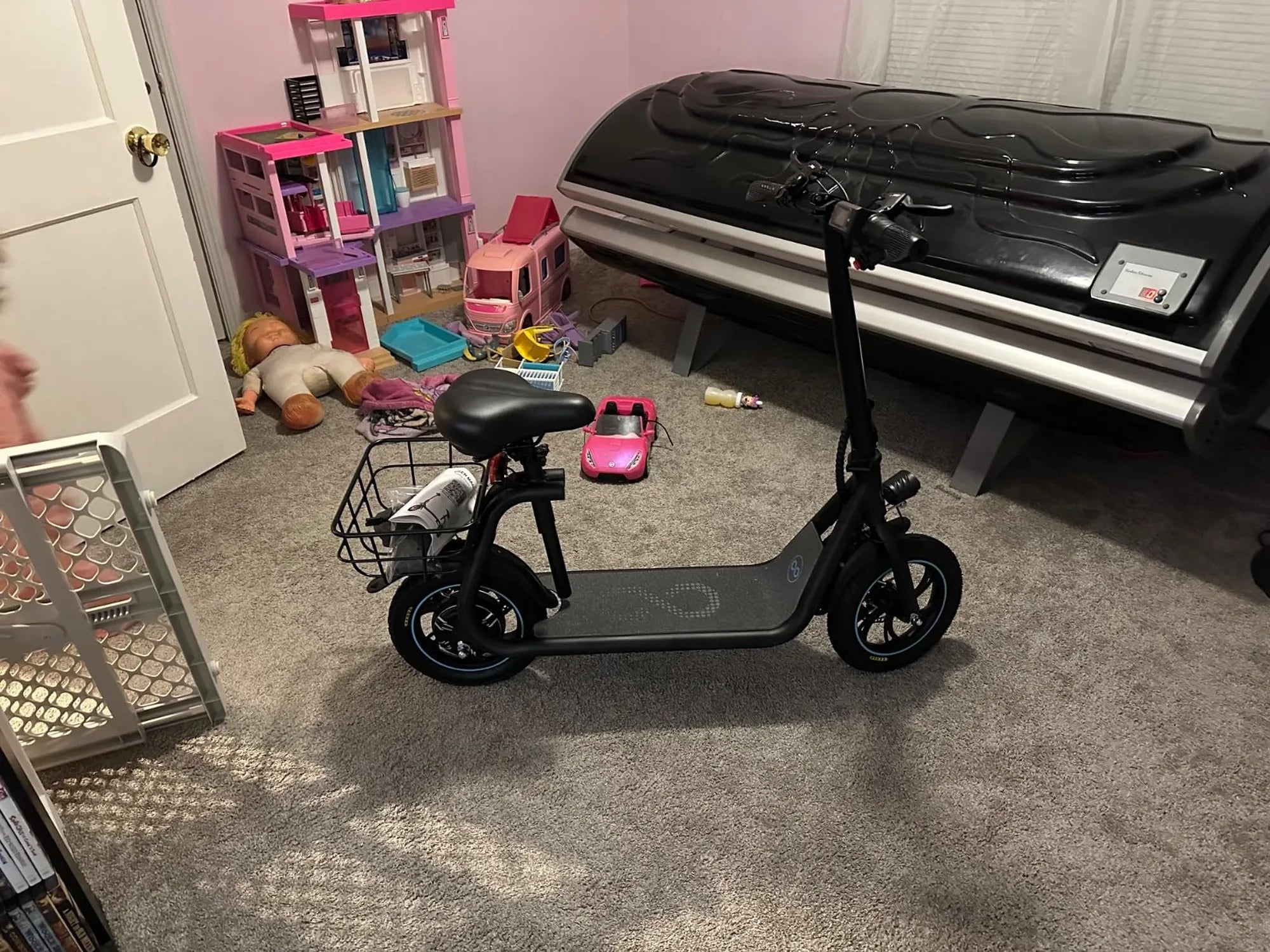
This holistic approach to safety has a direct parallel in choosing personal electric transport. Just as you wouldn't trust an uncertified helmet, you shouldn't trust a vehicle with an uncertified battery. Leading brands, like Gyroor, build their reputation on this ecosystem mindset: using UL-certified battery packs for proven fire and explosion safety, designing with IPX5 water resistance for all-weather reliability, and backing products with a solid 1-year warranty for long-term support. Whether the power comes from gasoline or a lithium-ion battery, verified safety standards are what allow for true riding freedom and confidence.
Frequently Asked Questions (FAQs)
1. Can I use my dirt bike helmet for dual-sport or adventure riding on the street?
It's common but not ideal for long stretches. The peak can catch wind and cause neck strain at high speeds, and the lack of noise sealing is fatiguing. For true 50/50 use, consider a dedicated adventure helmet which blends a smaller peak with a built-in sun visor and better aerodynamics.
2. How tight should the chin strap be?
You should only be able to fit one or two fingers between the strap and your chin. It must be snug enough that the helmet does not roll off your head if the strap is pushed up from the back. A loose strap renders the helmet's protection moot in many crash scenarios.
3. Do I need a different helmet for motocross versus trail riding?
Modern MX helmets are excellent for both. However, Enduro or trail-specific models sometimes feature details like a reduced peak to avoid snagging branches, a removable breath guard for cold weather, or even prepared mounting points for a helmet light or action camera.
4. What do the different helmet shapes (Intermediate Oval, Round Oval, Long Oval) mean?
Brands design helmets around general head shapes. Measure your head front-to-back and side-to-side. An Intermediate Oval is slightly longer front-to-back and is the most common. Round Oval is nearly equal in both dimensions. Long Oval is significantly longer front-to-back. Trying on helmets is the best way to find your match.
5. Are expensive helmets significantly safer than mid-range ones?
Once you meet a strong certification (like ECE 22.06), the core safety difference may plateau. The increased cost often buys lighter weight (reducing fatigue), better ventilation, premium materials like carbon fiber, advanced systems like MIPS, and more sophisticated graphics. Safety is the foundation; comfort and features build upon it.
Invest in Protection, Empower Your Ride
Choosing the right dirt bike helmet is a synthesis of objective data and personal comfort. Prioritize certified protection first, ensure a flawless fit second, and then select the features that enhance your riding experience. Remember that this technology requires respect—maintain it properly and replace it diligently after impacts or with age. This conscientious approach to safety translates directly to other aspects of riding life. It's the same philosophy that drives informed riders to choose electric scooters and e-bikes from brands that prioritize certified battery safety, weather-resistant engineering, and dependable customer support. Your gear, whether on your head or under your feet, should be built for the real world. Equip yourself with knowledge, then equip yourself with quality.
Ready to explore a different kind of ride? Discover the blend of performance, safety, and reliability that over 100,000 riders trust. Browse the full collection of UL-certified, IPX5 water-resistant electric scooters and e-bikes at Gyroor's official site today.
Dirt Bike Size for 13 Year Old: The Complete Sizing & Safety Guide
Dirt Bike Size for 13 Year Old: The Complete Sizing & Safety Guide