



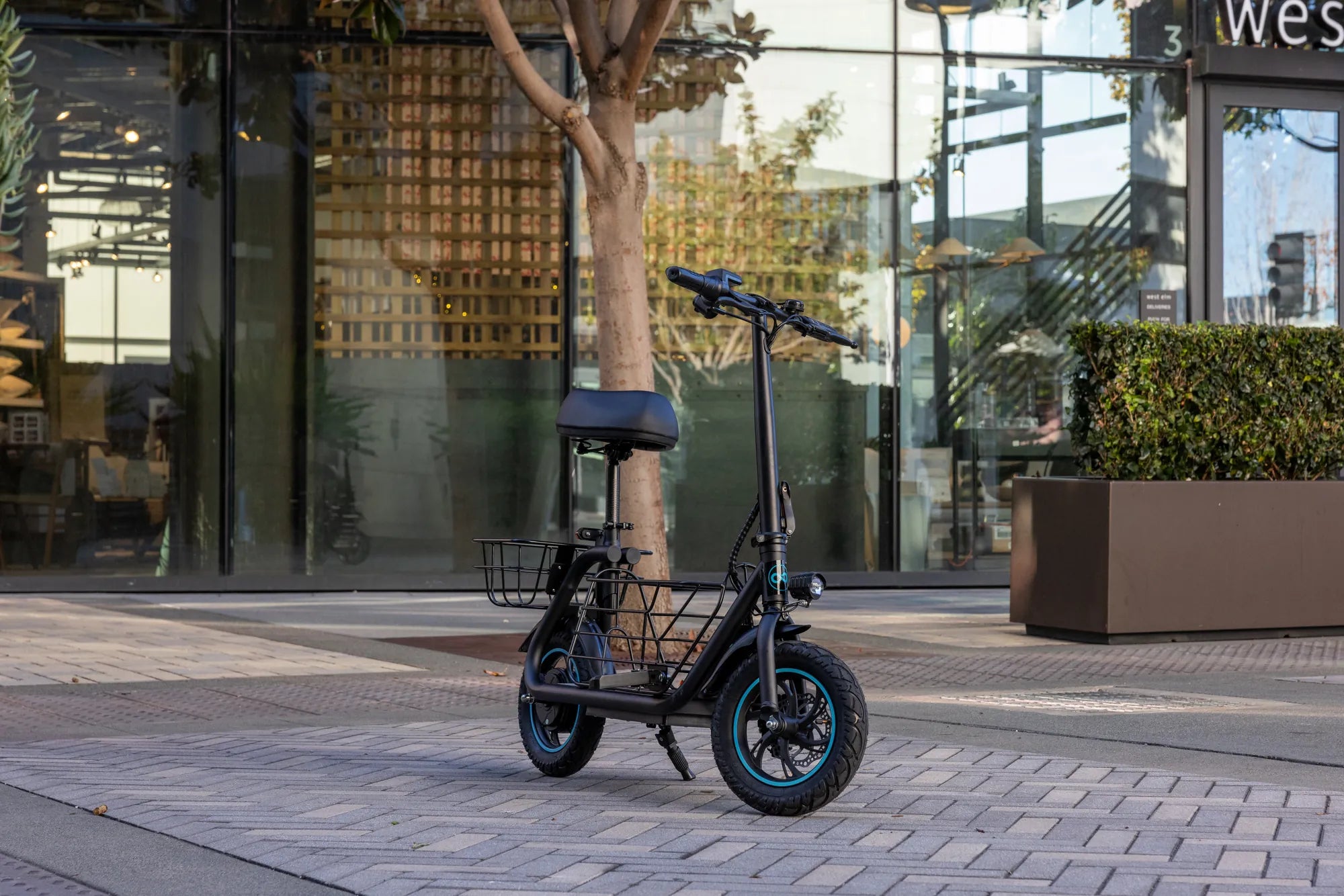
Electric scooters may seem like the perfect urban transport solution, but beneath their sleek design and eco-friendly appeal lie several disadvantages that riders and cities must confront. Before hopping on one, it’s crucial to weigh the risks and challenges.
Safety Risks and Accident Concerns
One of the biggest disadvantages of electric scooters is their safety risks. Many riders underestimate the dangers, leading to accidents and injuries. Unlike cars or bicycles, e-scooters offer minimal protection, making falls and collisions more severe. Studies show a rising number of emergency room visits linked to e-scooter accidents, often due to high speeds, poor road conditions, or reckless riding.
Limited Range and Battery Life
While electric scooters are convenient for short trips, their limited range can be a major drawback. Most models can only travel 15-30 miles on a single charge, making them impractical for longer commutes. Additionally, battery degradation over time reduces performance, leaving riders stranded or forced to replace expensive components.
Environmental Impact of Production and Disposal
Despite being marketed as green alternatives, electric scooters have a hidden environmental cost. Manufacturing lithium-ion batteries requires rare earth metals, which are mined under questionable ethical and ecological conditions. Moreover, improper disposal of dead batteries contributes to toxic waste, undermining their sustainability claims.
Legal and Regulatory Challenges
Many cities struggle to regulate electric scooters, leading to conflicts with pedestrians and other vehicles. Some areas ban them entirely due to safety concerns, while others impose strict rules on speed limits and parking. Riders often face fines or confiscation if they don’t comply with local laws, adding unexpected hassles.
High Maintenance and Repair Costs
Electric scooters may seem affordable upfront, but maintenance costs can add up quickly. Frequent wear and tear on tires, brakes, and electronics require regular servicing. Unlike traditional bikes, e-scooters have complex electrical systems that are expensive to repair, especially if out of warranty.
Weather and Terrain Limitations
Rain, snow, or uneven terrain can make electric scooters unsafe or unusable. Their small wheels struggle with potholes or gravel, and wet conditions increase the risk of slipping. Unlike cars or public transit, e-scooters offer no shelter from the elements, limiting their practicality in certain climates.
Noise and Nuisance in Urban Areas
While quieter than gas-powered vehicles, electric scooters still contribute to noise pollution, especially when used in large numbers. Their buzzing motors and clattering wheels can disturb residents, particularly in densely populated areas. Illegally parked scooters also clutter sidewalks, creating obstacles for pedestrians.
Privacy and Data Security Issues
Rental e-scooter apps often collect extensive user data, including location history and payment details. This raises privacy concerns, as companies may share or sell information to third parties. Riders unknowingly trade convenience for potential surveillance risks.
Social and Economic Inequities
The rise of electric scooters has highlighted disparities in urban mobility. Low-income communities often lack access to docking stations or affordable rental options, while wealthier neighborhoods benefit from better infrastructure. This uneven distribution exacerbates transportation inequalities.
Electric scooters aren’t the flawless solution they’re often made out to be. From safety hazards to hidden costs, these drawbacks demand careful consideration before you decide to ride. Whether you’re a commuter or a city planner, understanding the downsides is key to making informed choices.
Electric Scooters on Road Price: Your Complete Cost Guide
Electric Scooters on Road Price: Your Complete Cost Guide