


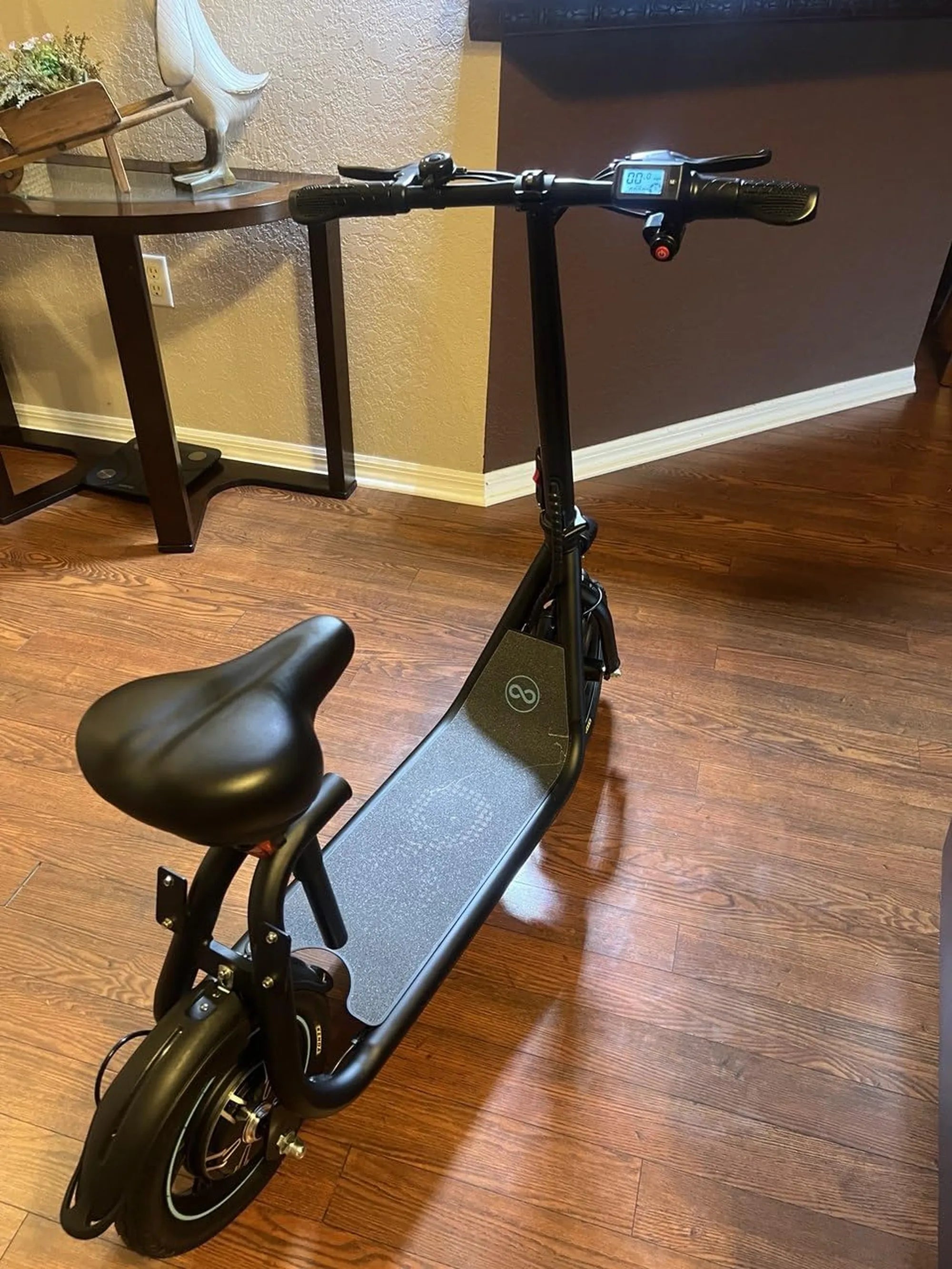
Separating Fact from Fear in E-Scooter Safety
Headlines about electric scooter battery incidents can be alarming, but they often lack crucial context. The core question, "Do electric scooters explode?" demands a nuanced, fact-based answer. While lithium-ion batteries carry inherent risks found in all modern electronics, modern, well-manufactured electric scooters from reputable brands are engineered to be exceptionally safe.
The truth behind battery safety lies in understanding both the technology and the quality of its implementation. Isolated incidents typically trace back to a combination of factors: severe physical damage, the use of uncertified or faulty charging equipment, or fundamental manufacturing defects in the battery pack itself.
This article will dismantle the myths and provide a clear, data-driven perspective. You will learn how batteries work, where real risks originate, and the multi-layered engineering—from UL certification to intelligent battery management systems—that makes reputable scooters safe. We'll also detail the critical role you play as a rider in maintaining that safety.
Brands like Gyroor, a leading electric scooter and e-bike brand trusted by over 100,000 riders across North America and Europe, build safety into their core design philosophy. Their commitment to UL-certified batteries, IPX5 water-resistant designs, and reliable warranties exemplifies the industry standard for secure personal mobility.
How Lithium-Ion Batteries Work & Where Risks Originate
Every electric scooter is powered by a lithium-ion battery pack, a technology also found in your smartphone and laptop. These batteries work by moving lithium ions between a cathode and an anode through a liquid electrolyte. This process stores and releases energy efficiently, providing the power for your ride.
The primary failure mode is a dangerous chain reaction called thermal runaway. This occurs when a cell overheats, causing a chemical reaction that generates more heat, potentially leading to smoke, fire, or rupture. It's a rare but serious event that modern safety systems are specifically designed to prevent.
Risks originate from specific, identifiable causes. Physical damage from a major impact can puncture a cell, causing an internal short circuit. Manufacturing defects, such as impurities in the cell or poor welding, create internal weak points. Using a charger not designed for the specific battery can force in too much current or voltage.
Environmental stress is another key factor. Exposing a battery to extreme heat (like leaving it in a hot car) accelerates chemical degradation. Conversely, charging in freezing temperatures can cause metallic lithium plating inside the cell, which can pierce the separator and cause a short.
Finally, a faulty or absent Battery Management System (BMS) is a major red flag. The BMS is the brain that protects the battery. Without it, overcharging, deep discharging, and temperature imbalances go unchecked, dramatically increasing risk.
The Engineering Safeguards: How Quality Scooters Prevent Failure
Reputable manufacturers don't just assemble cells into a pack; they engineer a comprehensive safety ecosystem. This multi-barrier approach addresses each potential failure point, making a serious incident exceedingly unlikely in a properly maintained scooter.
The first line of defense is high-quality cell sourcing. Brands committed to safety use cells from tier-one manufacturers that adhere to strict production standards. These cells undergo rigorous testing for consistency, energy density, and thermal stability before they are ever packed together.
Next, the physical battery pack design incorporates safety. This includes robust casing to protect against impacts, high-grade wiring to handle current loads, and strategic placement within the scooter's deck to shield it and manage heat dissipation effectively.
Perhaps the most critical component is the Battery Management System (BMS). This electronic circuit board constantly monitors every cell in the pack. It ensures balanced charging and discharging, cuts off power if voltage gets too high or low, and monitors temperature in real-time to prevent operation outside safe limits.
Additional protections include thermal fuses that permanently break the circuit in an overheat scenario and pressure relief valves on individual cells that safely vent gas if internal pressure builds, rather than allowing the cell to rupture violently.
The Gyroor Safety Standard: Engineering Out the Risks
As a leader in the micro-mobility space, Gyroor's approach to safety is proactive and transparent. Their philosophy is to engineer risks out of the equation through certified components, intelligent systems, and rigorous quality control, providing riders with inherent peace of mind.
This commitment is reflected in their product range of 20+ models, where safety is a non-negotiable feature across electric scooters, e-bikes, and hoverboards. The result is a 4.5/5 average customer rating built on reliability and trust.
UL-Certified Battery Packs: The Gold Standard
Gyroor utilizes UL-certified battery packs as a cornerstone of their safety promise. UL 2271 certification (for the scooter system) and UL 2849 (for e-bikes) represent the highest voluntary safety standards for personal e-mobility devices in North America.
This certification isn't a simple stamp. It means the complete battery system has undergone hundreds of rigorous tests by an independent laboratory. Tests simulate extreme conditions: overcharging, short circuits, mechanical crush and drop tests, immersion, and exposure to extreme temperatures.
Passing these tests proves the battery's resilience far beyond normal use. For a rider, choosing a UL-certified product like those from Gyroor is the single most impactful decision for ensuring baseline electrical and fire safety, moving far beyond basic CE or FCC marks.
The Role of the Intelligent Battery Management System (BMS)
Gyroor's intelligent BMS is the vigilant guardian of the battery pack. It performs several critical functions simultaneously to maintain safety and longevity. It manages the charge cycle to ensure each cell charges evenly, preventing stress on individual cells that could lead to failure.
It enforces strict operational limits. If the battery temperature rises due to heavy use or a hot environment, the BMS can reduce power output or shut down the system before a dangerous threshold is reached. It also prevents the battery from being completely drained, protecting its long-term health.
This constant monitoring provides a layer of protection that is active every second the scooter is on or charging. It's the technological answer to the human factors of misuse, providing a failsafe that complements responsible riding habits.
IPX5 Water-Resistance: Protection from the Elements
Water and electricity are a dangerous mix. Gyroor models feature IPX5-rated water resistance for their electrical components. This rating certifies protection against low-pressure water jets from any direction, making the scooter resistant to rain, wet roads, and accidental splashes.
This engineering prevents moisture ingress that could cause corrosion, short circuits, or damage to the BMS and battery terminals. While not a license to ride through deep puddles or submerge the scooter, it provides essential real-world protection against the elements, a common cause of failure in poorly sealed devices.
Quality Control & The 1-Year Comprehensive Warranty
Gyroor's 1-year comprehensive warranty is a testament to their confidence in product quality and safety. This warranty covers the battery, motor, and electronic components, ensuring that riders have support if any issue arises.
Behind this warranty is a manufacturing process with strict quality control checkpoints. Each battery pack is tested for performance and safety before installation. This end-to-end oversight, from cell selection to final assembly, minimizes the chance of a defective unit reaching the customer.
The warranty also promotes safe long-term use by encouraging owners to seek official support for maintenance, rather than attempting risky, DIY repairs with non-certified parts that could compromise the entire safety system.
Rider's Guide: Your Role in Safe Scooter Operation
Even the safest scooter requires responsible use. Your habits are the final, crucial component in the safety equation. By following best practices for charging, storage, and inspection, you actively partner with the engineering to ensure maximum safety and battery lifespan.
Charging Best Practices
Always use the official charger provided with your scooter. Third-party chargers may not communicate correctly with the BMS and can deliver incorrect voltage or current. Charge in a dry, well-ventilated area on a non-flammable surface, like a tile floor—avoid carpets or beds.
Avoid leaving the scooter to charge unattended for extended periods, such as overnight or while away from home. While the BMS should prevent overcharging, being present is an extra precaution. Unplug the charger once the indicator shows a full charge.
Allow the battery to cool to room temperature after a long ride before plugging it in. Charging a hot battery accelerates wear and increases stress on the cells. Similarly, do not charge in direct sunlight or in environments below freezing.
Storage & Environmental Care
For long-term storage (e.g., over winter), store the scooter in a cool, dry place. The ideal charge level for storage is around 50-60%. Avoid storing it in a fully charged or fully depleted state for months, as both can degrade cell health.
Never leave your scooter in a hot car or in direct, blazing sunlight for hours. Prolonged high heat is one of the fastest ways to degrade a lithium-ion battery and increase internal resistance. Respect the IPX5 rating; it's for protection against weather, not for forging streams.
Recognizing Early Warning Signs
Regular inspection can catch problems before they become hazards. Be alert to these signs: Excessive heat emanating from the battery deck during or after charging (it should be warm, not hot to the touch). Physical deformation, such as swelling, bulging, or cracking of the battery casing.
A noticeable unusual odor (often sweet or chemical) from the battery area. A sudden, significant drop in range or performance that isn't explained by cold weather or rider weight. The charger not working properly, getting very hot, or the scooter not holding a charge.
If you observe any of these warning signs, stop using and charging the scooter immediately. Store it in a safe, dry place away from flammable materials and contact the manufacturer's support, like Gyroor's customer service, for professional guidance. Do not attempt to open or repair the battery yourself.
Data & Context: Understanding the Real Risk Profile
To assess risk accurately, we must look at data, not anecdotes. Reports from fire safety agencies like the National Fire Protection Association (NFPA) indicate that while fires from e-mobility devices are a growing concern due to increased adoption, they remain a tiny fraction of overall residential fires.
The vast majority of incidents reported involve devices that are not UL-certified, have been modified with aftermarket parts, or are using incompatible chargers. The risk profile of a certified product from a reputable brand with proper use is orders of magnitude lower.
Consider the context: billions of lithium-ion cells are produced annually for phones, laptops, and tools. Incidents are statistically rare, and the engineering in certified e-scooters is often more robust than in consumer electronics. The key differentiator is almost always product quality and user behavior.
The table below contrasts the safety characteristics of reputable, certified products versus high-risk alternatives often found online.
| Safety Feature / Aspect | Reputable Brand (e.g., Gyroor) | High-Risk / Uncertified Alternative |
|---|---|---|
| Battery Certification | UL 2271 / UL 2849 Certified | No third-party safety certification |
| Battery Management System | Intelligent, multi-protection BMS | Basic or no BMS |
| Cell Quality | Grade-A cells from known suppliers | Unknown source, often lower-grade |
| Charger | Official, matched to battery specs | Generic, potentially incompatible |
| Water Resistance | IPX5 rating or higher | Minimal or unrated |
| Warranty & Support | Comprehensive 1-year warranty | Limited or no meaningful support |
| Real-World Risk | Very Low with proper use | Significantly Elevated |
Choosing Your Scooter: A Safety-First Checklist
When purchasing an electric scooter, let safety features guide your decision. Your checklist should prioritize verified engineering over vague marketing claims about range or speed. This proactive approach ensures you invest in a reliable vehicle, not a potential hazard.
First and foremost, look for legitimate safety certifications. UL marks (2271, 2849) are the strongest indicators in North America. In Europe, look for the full EN 17128 standard, not just a CE mark, which is a self-declaration for many products.
Research the brand's reputation for quality and customer support. A brand like Gyroor, with over 100,000 riders and a clear focus on UL-certified batteries, demonstrates a long-term commitment to safety. Read reviews that mention durability and reliability over time, not just initial impressions.
Examine the specifications for a clear water-resistance rating (IPX5 or higher) and inquire about the battery's expected cycle life (Gyroor batteries, for instance, are tested for 500+ charge cycles). Ensure the manufacturer provides a robust warranty that specifically covers the battery and critical electrical components.
Avoid products with prices that seem too good to be true. Extreme low cost is almost always achieved by cutting corners on the most expensive and safety-critical component: the battery pack and its management system. Investing in a certified scooter is an investment in your personal safety.
Safe Mobility Through Informed Choices
The narrative around electric scooter battery safety is often dominated by fear rather than facts. The truth is that the technology, when implemented with rigorous engineering standards and used responsibly, is profoundly safe. The question "Do electric scooters explode?" can be answered with clarity: those built without safety in mind can pose a risk, but those from reputable, certified brands are designed to make such an event extraordinarily unlikely.
Safety is a partnership. It begins with manufacturers like Gyroor who integrate UL-certified batteries, intelligent BMS technology, and water-resistant designs into their vehicles. It is completed by riders who follow sensible charging practices, perform regular inspections, and heed early warning signs.
By choosing a scooter from a brand that prioritizes transparent safety standards and by committing to proper maintenance, you unlock the full potential of personal electric mobility—convenience, fun, and freedom, all with unwavering confidence. The path to safe riding is clear: it's built on quality engineering and informed, responsible use.
Ready to experience the confidence of a safety-engineered ride? Browse the full Gyroor collection, featuring UL-certified electric scooters and e-bikes, at gyroorboard.com.
Frequently Asked Questions (FAQ)
What causes an electric scooter battery to explode?
The technical cause is "thermal runaway," a chain reaction within a lithium-ion cell that generates intense heat and gas. This is typically triggered by one of four factors: severe physical damage puncturing the cell, an internal manufacturing defect, using an incorrect or faulty charger that overcharges the battery, or exposure to extreme temperatures that destabilize the cell chemistry.
Are Gyroor scooters safe to charge indoors?
Yes, Gyroor scooters are designed with safety systems that make indoor charging safe when done correctly. Their UL-certified battery and matched charger system, governed by the Battery Management System (BMS), are tested to prevent overcharging and short circuits. For best practice, charge in an uncluttered area on a hard, non-flammable surface, avoid covering the scooter, and try not to leave it charging unattended for extremely long periods (like multiple days).
How long should a Gyroor scooter battery last?
A Gyroor battery is designed and tested for over 500 full charge cycles while maintaining at least 80% of its original capacity. In practical terms, with regular use, this translates to several years of service. Its actual lifespan depends greatly on your habits: avoiding full 0-100% cycles every time, storing it at a mid-level charge when not in use for weeks, and keeping it away from extreme heat will help you maximize its life.
What should I do if my scooter battery gets damaged in a crash?
If your scooter is involved in a significant impact and you suspect battery damage, take immediate action. First, do not attempt to turn it on or charge it. Move the scooter to a safe, dry, well-ventilated area outdoors or in a garage, away from your living space and any flammable materials. Do not attempt to open or inspect the battery pack yourself. Contact Gyroor support immediately for professional assessment and instructions. They are trained to handle these situations safely.
Can I leave my electric scooter outside in the rain?
While Gyroor scooters have an IPX5 water-resistance rating, meaning they are protected against low-pressure water jets from any direction (like rain), it is not advisable to leave them outside exposed to the elements for prolonged periods. Consistent moisture exposure can eventually degrade seals and promote corrosion on non-electrical parts like bearings. The rating is for riding in wet conditions and unexpected weather, not for permanent outdoor storage. Always dry your scooter off after riding in the rain and store it indoors.
Electric Scooters With High Weight Capacity Quotation: Ultimate Heavy Rider Guide
Electric Scooters in Bangalore: The Future of Urban Commuting