

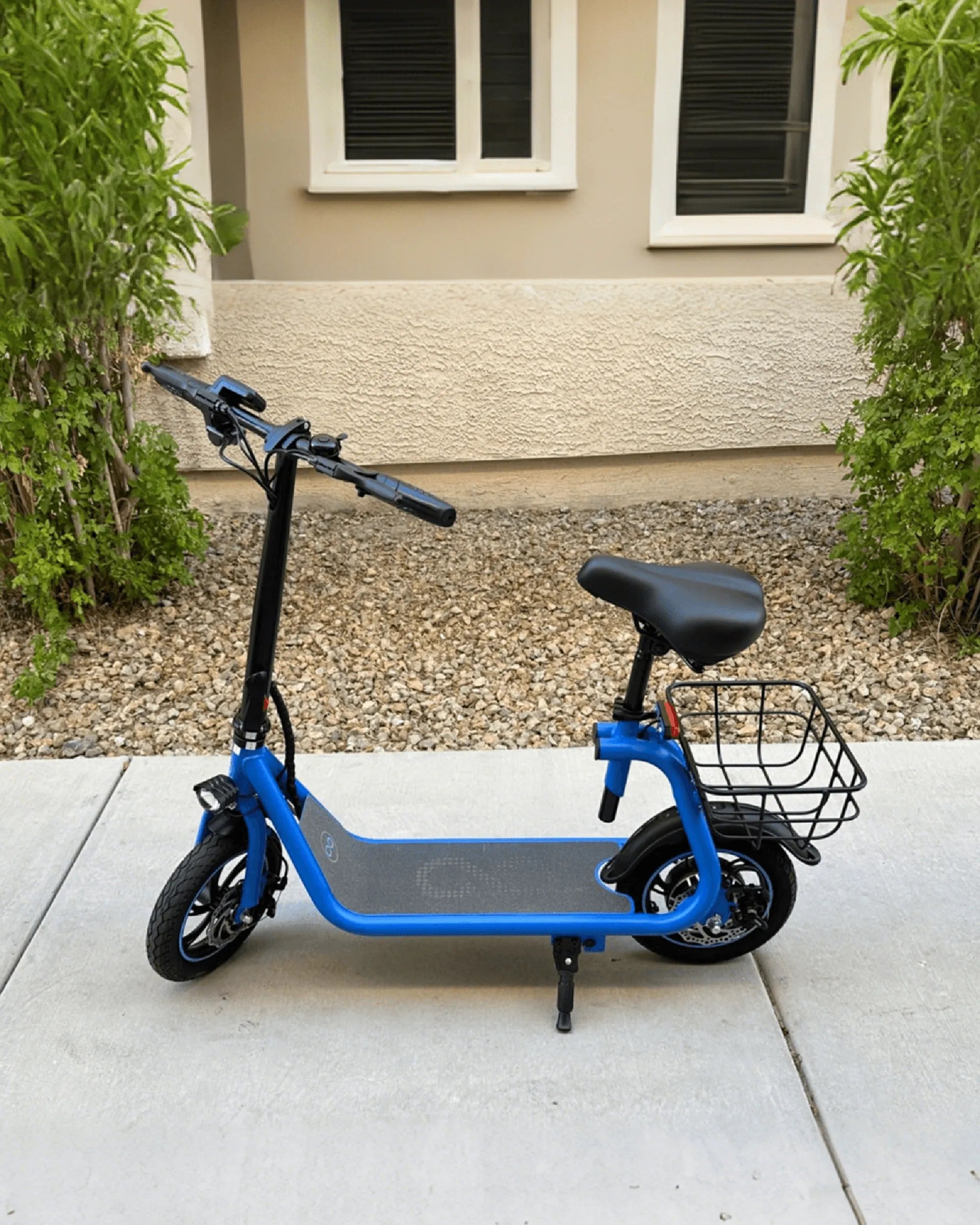
Electric bikes are revolutionizing urban transportation, offering an eco-friendly and efficient way to navigate city streets. But as their popularity surges, so does confusion around the legal requirements for riding them. One of the most common questions is: Do I need a driver's license to drive an electric bike? The answer isn't as straightforward as you might think, and it largely depends on where you live and the type of e-bike you're riding.
Understanding Electric Bike Classifications
Before diving into licensing requirements, it's crucial to understand how electric bikes are classified. E-bikes generally fall into three categories:
- Class 1: Pedal-assist only, with no throttle, and a maximum assisted speed of 20 mph.
- Class 2: Throttle-assisted, with a maximum speed of 20 mph.
- Class 3: Pedal-assist only, with a maximum assisted speed of 28 mph.
These classifications matter because they often determine whether your e-bike is treated like a traditional bicycle or a motor vehicle under local laws.
Driver's License Requirements by Jurisdiction
The need for a driver's license to operate an electric bike varies significantly depending on your location:
United States
In most U.S. states, you don't need a driver's license to ride a Class 1 or Class 2 e-bike. However:
- Some states require licenses for Class 3 e-bikes
- Age restrictions may apply (typically 14-16 years old)
- Certain cities have additional regulations
European Union
EU regulations are generally more strict:
- Pedelecs (250W, 25 km/h) typically don't require a license
- Speed pedelecs (45 km/h) often require at least an AM license
- Registration and insurance may be mandatory for faster models
Canada
Canadian laws vary by province:
- Most provinces don't require licenses for e-bikes under 500W
- Age restrictions typically apply (16+ years old)
- Helmets are mandatory nationwide
Why the Confusion Exists
The legal gray area surrounding e-bikes stems from several factors:
- Rapid technological advancements outpace legislation
- Different jurisdictions classify e-bikes differently
- The line between bicycles and mopeds becomes blurred with powerful e-bikes
Safety Considerations Beyond Licensing
Even if your area doesn't require a license, safety should always be a priority:
- Wear a properly fitted helmet
- Understand your e-bike's capabilities and limitations
- Follow all traffic laws applicable to bicycles
- Consider taking a safety course if you're new to cycling
The Future of E-Bike Regulations
As e-bikes continue to grow in popularity, we can expect:
- More standardized regulations across jurisdictions
- Possible new licensing categories for high-speed e-bikes
- Improved infrastructure to accommodate electric bike riders
Whether you're a daily commuter or a weekend adventurer, understanding your local e-bike laws is essential for safe and legal riding. While most areas don't require a driver's license for standard electric bikes, staying informed about changing regulations will ensure you're always riding on the right side of the law.
2 to Electric Bike: The Ultimate Guide to Transitioning from Traditional to Electric Biking
2 to Electric Bike: The Ultimate Guide to Transitioning from Traditional to Electric Biking