

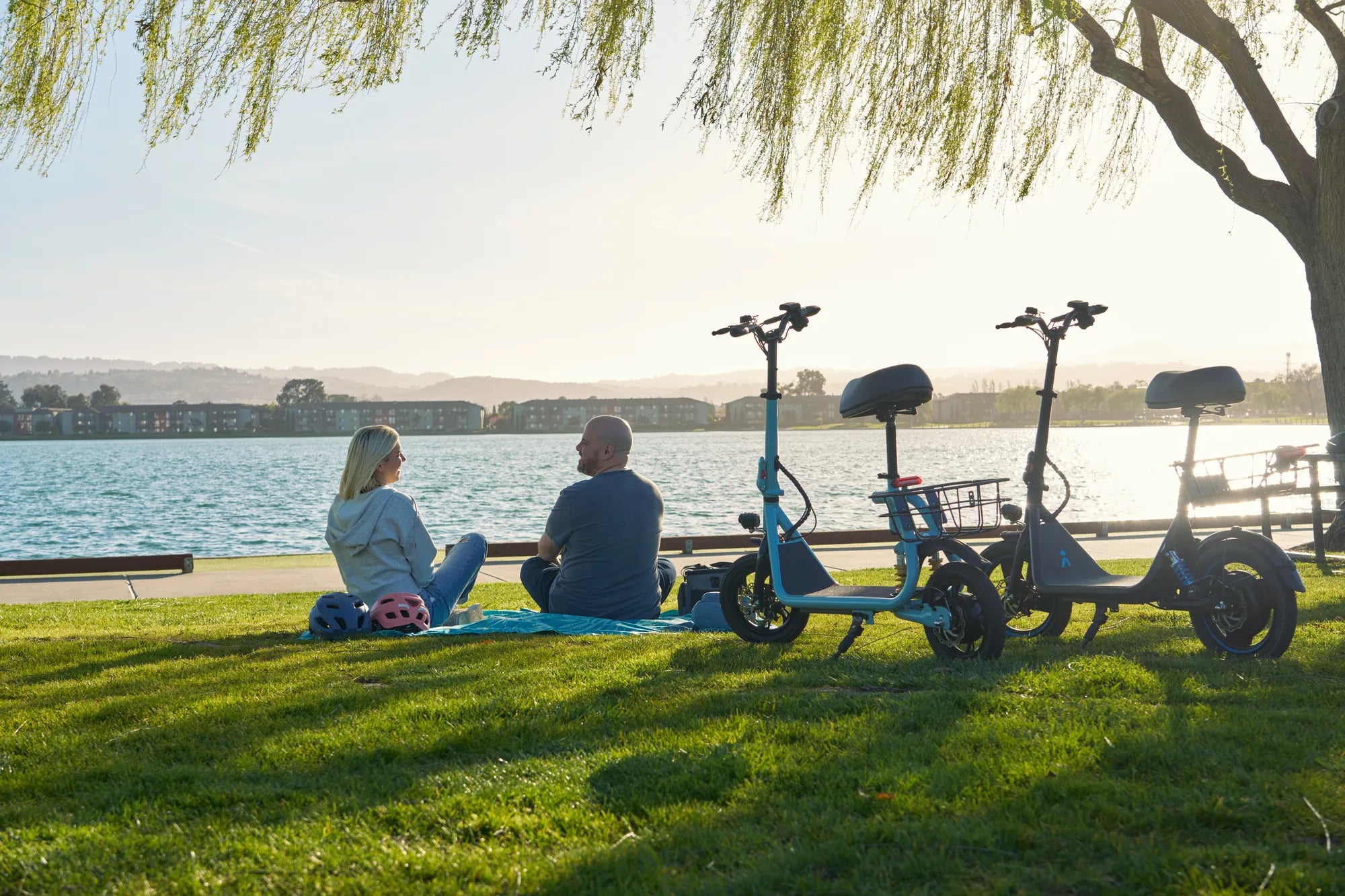
Are you thinking about hopping on a scooter for your daily commute or weekend adventures? Before you hit the road, you might be wondering: do I need a license to drive a scooter? The answer isn’t always straightforward, as it depends on where you live, the type of scooter you’re riding, and local regulations. Let’s dive into the details to help you stay on the right side of the law.
Understanding Scooter Classifications
Scooters come in various shapes and sizes, and their classification often determines whether you need a license. Here’s a breakdown of the most common types:
- Electric Kick Scooters: These are typically low-speed, battery-powered scooters designed for short trips. In many areas, they’re treated like bicycles and don’t require a license.
- Mopeds: These are motorized scooters with engines under 50cc. Licensing requirements vary, but many states and countries require at least a basic driver’s license.
- Motor Scooters: Larger than mopeds, these scooters often have engines over 50cc and usually require a motorcycle license or endorsement.
License Requirements by Region
Laws differ widely depending on your location. Here’s a general overview:
United States
In the U.S., scooter laws are state-specific. For example:
- California requires a motorcycle license for scooters over 50cc.
- Texas mandates a Class M license for motor scooters.
- New York treats electric scooters under 20 mph similarly to bicycles.
Europe
European countries often have stricter regulations:
- In the UK, scooters over 50cc require a motorcycle license.
- Germany requires insurance and a license plate for most motorized scooters.
- France allows electric scooters on bike paths but bans them from sidewalks.
Asia
Asian countries have diverse rules:
- In India, scooters under 50cc may not need a license, but registration is often required.
- Japan requires a license for any motorized scooter, regardless of engine size.
Why Licensing Matters
Even if your local laws are lenient, getting licensed can be beneficial. Here’s why:
- Safety: Licensing ensures you understand traffic rules and safe riding practices.
- Insurance: Many insurers require a valid license to cover accidents or theft.
- Legal Protection: Riding without a license could result in fines or impoundment of your scooter.
Steps to Get a Scooter License
If your scooter requires a license, here’s how to get one:
- Check your local DMV or transportation authority for specific requirements.
- Complete a written test on traffic laws and safety.
- Pass a practical riding test to demonstrate your skills.
- Pay any applicable fees and receive your license or endorsement.
Penalties for Riding Without a License
Ignoring licensing rules can lead to serious consequences, including:
- Fines ranging from $100 to $1,000 or more.
- Points on your driving record, which could increase insurance rates.
- Impoundment of your scooter in some jurisdictions.
Safety Tips for Scooter Riders
Whether you need a license or not, safety should always come first. Follow these tips:
- Wear a helmet and protective gear.
- Obey traffic signals and speed limits.
- Use hand signals to communicate with other drivers.
- Avoid riding in bad weather or low-visibility conditions.
Ready to hit the road? Now that you know whether you need a license to drive a scooter, you can ride with confidence—and stay on the right side of the law. Whether you’re zipping through city streets or cruising along scenic routes, understanding the rules ensures a smooth and enjoyable ride.
Travel Scooter Reviews: The Ultimate Guide to Choosing the Best Mobility Aid for Your Adventures
Small Motorised Scooter: The Ultimate Guide to Compact Urban Mobility