

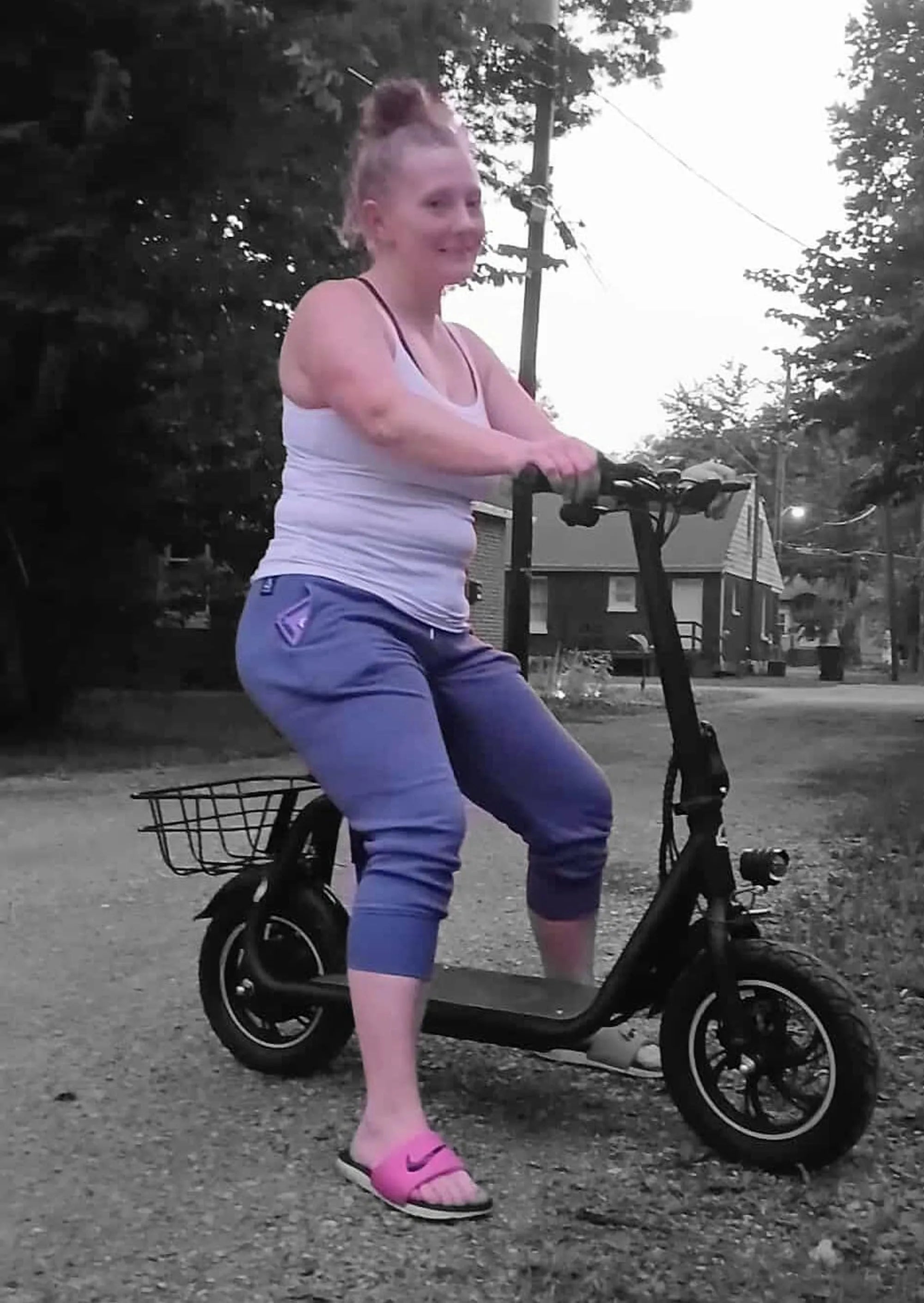
Electric bikes are revolutionizing urban transportation, offering an eco-friendly and cost-effective alternative to traditional vehicles. But as their popularity surges, so does confusion about licensing requirements. Do you need a motorcycle license to ride an electric bike? The answer isn’t as straightforward as you might think—let’s dive into the details.
Understanding Electric Bike Classifications
Before determining whether a motorcycle license is required, it’s essential to understand how electric bikes are classified. Most regions categorize e-bikes into three main classes:
- Class 1: Pedal-assist only, with a maximum speed of 20 mph.
- Class 2: Throttle-assisted, with a maximum speed of 20 mph.
- Class 3: Pedal-assist only, with a maximum speed of 28 mph.
These classifications play a significant role in determining whether a motorcycle license is necessary. In most cases, Class 1 and 2 e-bikes do not require a license, while Class 3 may have additional regulations depending on local laws.
Licensing Requirements by Region
Laws regarding electric bikes vary widely depending on where you live. Here’s a general breakdown:
United States
In the U.S., federal law defines e-bikes as bicycles if they meet specific criteria, such as having a motor under 750 watts and a top speed of 20 mph. Most states follow this guideline, meaning no motorcycle license is required for Class 1 and 2 e-bikes. However, some states impose stricter rules for Class 3 e-bikes, such as requiring a helmet or restricting their use on bike paths.
Europe
European regulations classify e-bikes as pedelecs if they provide assistance only up to 15.5 mph (25 km/h) and have a motor under 250 watts. These typically don’t require a license. Faster models, known as speed pedelecs, may require registration, insurance, or even a moped license in some countries.
Canada
Canadian laws are similar to those in the U.S., with most provinces not requiring a license for e-bikes under 500 watts and 20 mph. However, some regions mandate a driver’s license or special permit for higher-powered models.
When Might You Need a Motorcycle License?
While most standard e-bikes don’t require a motorcycle license, there are exceptions:
- High-Powered E-Bikes: If an e-bike exceeds local speed or power limits, it may be classified as a motor vehicle, requiring a license.
- Modified E-Bikes: Altering an e-bike to increase its speed or power can push it into a category that requires licensing.
- Local Regulations: Some cities or states have unique laws that mandate licenses for certain e-bike classes.
Always check your local Department of Motor Vehicles (DMV) or transportation authority for the most accurate information.
Safety Considerations Beyond Licensing
Even if your e-bike doesn’t require a license, safety should always be a priority. Here are some tips:
- Wear a Helmet: Many regions require helmets for e-bike riders, regardless of licensing.
- Follow Traffic Laws: E-bikes are often subject to the same rules as bicycles, so obey traffic signals and ride responsibly.
- Get Insured: While not always mandatory, insurance can protect you in case of accidents or theft.
Final Thoughts
Electric bikes offer a fantastic way to commute, exercise, and reduce your carbon footprint—but navigating the legal landscape can be tricky. In most cases, you won’t need a motorcycle license for a standard e-bike, but it’s crucial to verify local laws and ride safely. Whether you’re a seasoned cyclist or a newcomer to e-bikes, staying informed ensures a smooth and legal ride every time.
Electric Dirt Bike That Goes 30 MPH: The Ultimate Off-Road Adventure
Top 10 Electric Bikes: The Ultimate Guide to Eco-Friendly Commuting