



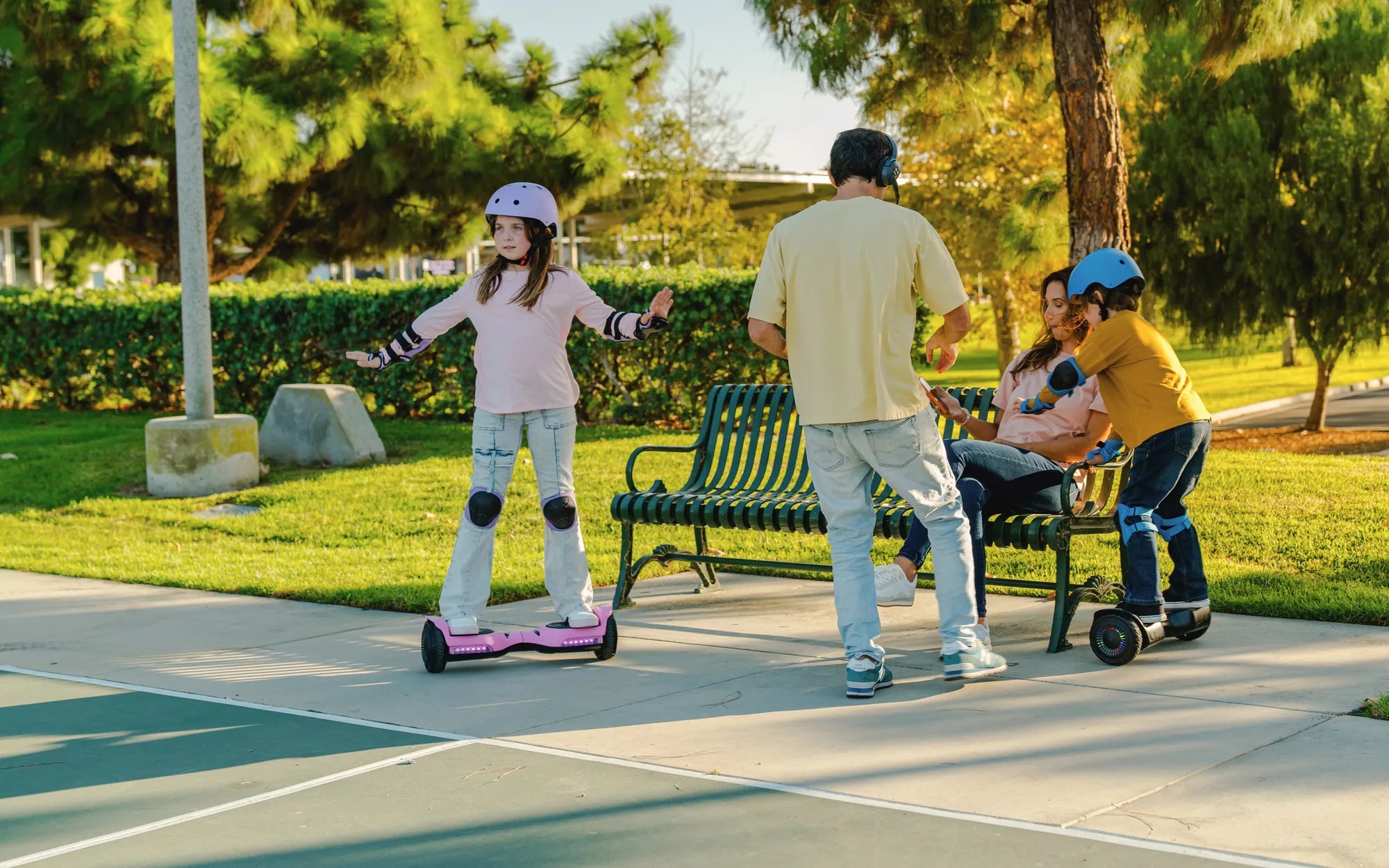
Hoverboards took the world by storm when they first hit the market, offering a futuristic way to glide effortlessly from one place to another. But while they may seem like the perfect gadget for students zipping across campus, many schools have outright banned them. Why is that? And what does it mean for students who rely on these devices? Let’s dive into the reasons behind these bans and whether there are safer alternatives.
Why Do Schools Ban Hoverboards?
Schools prioritize student safety above all else, and hoverboards have raised several red flags. One of the biggest concerns is the risk of fires caused by lithium-ion batteries. There have been multiple reports of hoverboards overheating or even exploding, leading to injuries and property damage. Schools simply can’t afford to take that risk.
Another major issue is the potential for accidents. Hoverboards require balance and skill to operate, and not all students have mastered them. Collisions, falls, and even collisions with pedestrians are common, making hallways and crowded areas hazardous. Schools already have enough to manage without adding hoverboard-related injuries to the mix.
Safety Concerns and Liability
Beyond the immediate dangers, schools also worry about liability. If a student is injured while riding a hoverboard on school property, who is responsible? Legal battles over such incidents could be costly and time-consuming. Many schools would rather avoid the headache altogether by prohibiting hoverboards entirely.
Additionally, hoverboards can be a distraction. Students may be tempted to show off tricks or race each other, leading to disruptions in class or during transitions between periods. Schools aim to maintain a focused learning environment, and hoverboards don’t always align with that goal.
Are There Any Exceptions?
Some schools have implemented strict policies rather than outright bans. For example, a school might allow hoverboards if they meet certain safety certifications or if students agree to only use them in designated areas. However, these exceptions are rare, and most institutions prefer a blanket ban to avoid complications.
What Are the Alternatives?
For students who relied on hoverboards for transportation, the ban can be frustrating. Fortunately, there are other options. Electric scooters, skateboards, and even good old-fashioned walking are viable alternatives. Many of these options are safer, more reliable, and less likely to be banned by schools.
If students are determined to use hoverboards, they should check their school’s specific policies and advocate for safer usage guidelines. Presenting a well-researched case to school administrators might lead to a compromise, such as allowing hoverboards with proper safety gear and restricted usage zones.
The Future of Hoverboards in Schools
As technology improves, hoverboards may become safer and more reliable. Better battery technology, improved stability features, and stricter manufacturing standards could make them a more viable option for schools in the future. Until then, students and parents should respect school policies and explore other ways to get around campus safely.
Hoverboards may be fun, but when it comes to school safety, it’s better to err on the side of caution. With so many alternatives available, students don’t have to give up convenience—just the risks that come with it. So, before you hop on that hoverboard, check your school’s rules and consider whether it’s worth the potential consequences.
Floating Hoverboard Technology: The Future of Personal Transportation
Good Types of Hoverboards: A Comprehensive Guide to Choosing the Best