


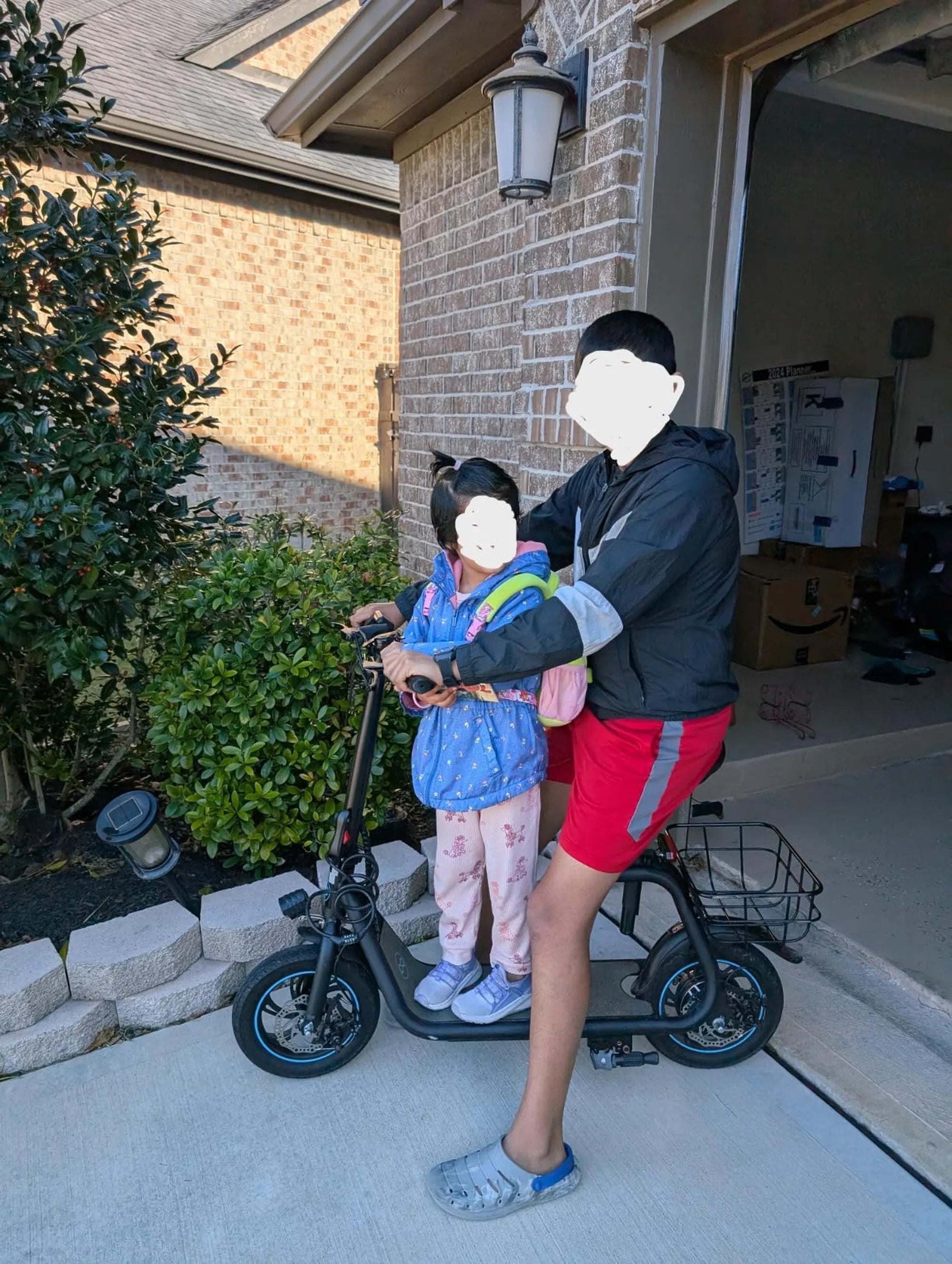
Electric bikes are revolutionizing urban transportation, offering an eco-friendly and efficient way to navigate cities. But as their popularity grows, so does the confusion around regulations. One of the most common questions is: Do you need a permit to drive an electric bike? The answer isn’t always straightforward, as laws vary by location and depend on the type of e-bike you own. Let’s dive into the details to clear up the confusion.
Understanding Electric Bike Classifications
Before addressing permits, it’s crucial to understand how electric bikes are classified. Most regions categorize e-bikes into three main classes:
- Class 1: Pedal-assist only, with no throttle, and a maximum speed of 20 mph.
- Class 2: Throttle-assisted, with a maximum speed of 20 mph.
- Class 3: Pedal-assist only, with a maximum speed of 28 mph.
These classifications often determine whether you need a permit, license, or registration. For example, Class 1 and 2 e-bikes are typically treated like traditional bicycles, while Class 3 may have additional requirements.
Do You Need a Permit for an Electric Bike?
In most cases, you do not need a permit to drive an electric bike that falls under Class 1 or 2. These e-bikes are usually exempt from licensing, registration, and insurance requirements. However, Class 3 e-bikes may require a permit or license in some areas, especially if they exceed certain speed or power limits.
Here’s a breakdown of common regulations:
| E-Bike Class | Permit Required? | Notes |
|---|---|---|
| Class 1 | No | Treated like a traditional bicycle in most regions. |
| Class 2 | No | Throttle-assisted but still exempt from permits in many areas. |
| Class 3 | Sometimes | May require a permit or license, depending on local laws. |
Local Laws and Variations
While federal guidelines provide a framework, local laws can vary significantly. Some cities or states impose additional restrictions, such as:
- Age requirements (e.g., riders must be at least 16 years old).
- Helmet laws (mandatory for certain classes or ages).
- Speed limits on bike paths or trails.
For example, in some states, Class 3 e-bikes are restricted from bike paths unless explicitly allowed. Always check your local regulations to ensure compliance.
How to Check Your Local E-Bike Laws
To avoid fines or legal issues, follow these steps:
- Visit your state or city’s transportation department website.
- Look for specific e-bike regulations under "bicycle" or "motorized vehicle" sections.
- Contact local authorities if you’re unsure about the rules.
Remember, ignorance of the law isn’t an excuse, so take the time to research before hitting the road.
What Happens If You Ride Without a Required Permit?
If your e-bike requires a permit and you don’t have one, you could face:
- Fines or penalties.
- Confiscation of the e-bike.
- Legal consequences if involved in an accident.
It’s always better to err on the side of caution and comply with local regulations.
Tips for Riding Your E-Bike Legally and Safely
Whether you need a permit or not, follow these best practices:
- Wear a helmet, even if it’s not legally required.
- Obey traffic laws, including speed limits and stop signs.
- Use bike lanes where available.
- Ensure your e-bike meets local power and speed limits.
By staying informed and riding responsibly, you can enjoy the benefits of your electric bike without legal headaches.
Electric bikes offer a fantastic way to commute, exercise, and explore, but knowing the rules is key to a hassle-free ride. Whether you’re a seasoned rider or a newcomer, understanding permit requirements ensures you stay on the right side of the law. So, before you hop on your e-bike, take a moment to verify your local regulations—it’s a small step that can save you big trouble down the road.
What Battery for My Bike: A Complete Guide to Choosing the Right Power Source
Forgot Bicycle Lock Combination? Here’s How to Regain Access Quickly