

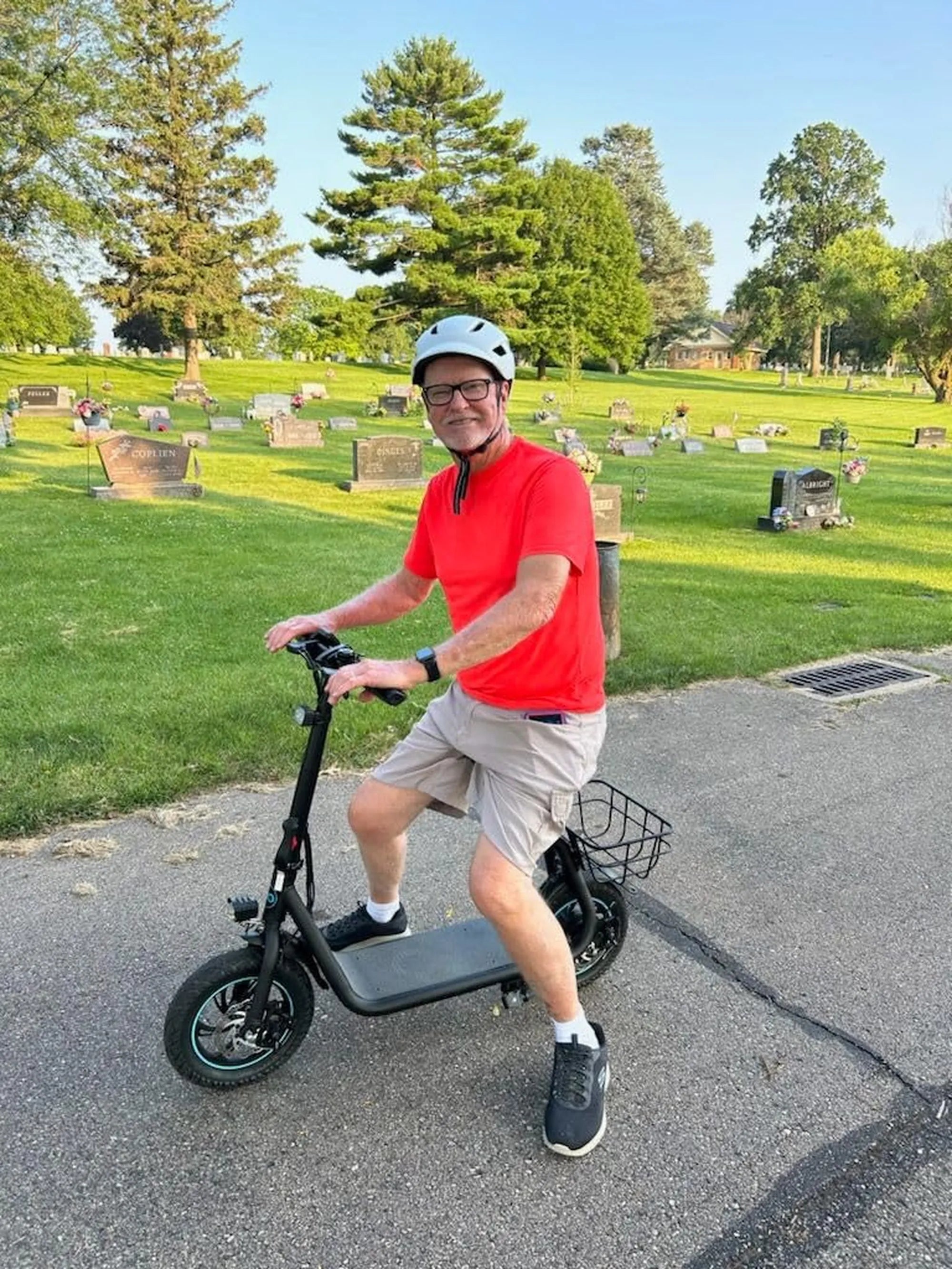
Electric scooters have taken urban transportation by storm, offering a convenient and eco-friendly way to zip through city streets. But as their numbers grow, so does the debate: does an electric scooter count as a motor vehicle? The answer isn’t as straightforward as you might think, and it has far-reaching implications for riders, lawmakers, and pedestrians alike.
Understanding the Definition of a Motor Vehicle
To determine whether an electric scooter qualifies as a motor vehicle, we first need to examine how motor vehicle is defined legally. In most jurisdictions, a motor vehicle is any self-propelled device designed for transporting people or goods on public roads. This typically includes cars, trucks, and motorcycles—but where do e-scooters fit in?
Many laws were written long before electric scooters became mainstream, leaving gray areas in their classification. Some regions explicitly exclude low-speed electric scooters from motor vehicle definitions, while others treat them similarly to mopeds or bicycles.
Legal Classifications Around the World
The status of electric scooters varies widely depending on location. For example:
- United States: Federal law does not classify e-scooters as motor vehicles, but state laws differ. Some states require registration, while others treat them like bicycles.
- European Union: E-scooters are often classified as personal light electric vehicles (PLEVs), subject to specific speed and power limits.
- Australia: Rules vary by state, with some allowing e-scooters on bike paths and others restricting them to private property.
These discrepancies highlight the challenges of regulating a rapidly evolving mode of transportation.
Safety Concerns and Infrastructure Challenges
Whether or not e-scooters are considered motor vehicles, their rise has raised significant safety questions. Riders often share roads with cars or sidewalks with pedestrians, leading to accidents and conflicts. Key concerns include:
- Lack of helmet laws: Many jurisdictions don’t mandate helmets for e-scooter riders, increasing injury risks.
- Poorly maintained infrastructure: Potholes and uneven surfaces pose hazards for small-wheeled scooters.
- Reckless riding: Speeding and erratic behavior contribute to accidents.
Without clear regulations, cities struggle to balance innovation with public safety.
The Future of E-Scooter Regulation
As electric scooters become more prevalent, lawmakers are under pressure to clarify their status. Potential solutions include:
- Dedicated lanes: Creating separate paths for e-scooters to reduce conflicts with cars and pedestrians.
- Standardized laws: Harmonizing regulations across regions to avoid confusion.
- Technology integration: Using geofencing to limit speeds in crowded areas.
The debate over whether e-scooters are motor vehicles is far from settled, but one thing is clear: they’re here to stay.
Love them or hate them, electric scooters are reshaping urban mobility—and the question of their classification could determine how cities adapt to this new era of transportation. Whether you’re a rider, a policymaker, or just a curious bystander, the answer matters more than you might think.
Electric Scooter Under $200 for Adults Sale: Affordable and Efficient Commuting
Electric Scooter Under $200 for Adults Sale: Affordable and Efficient Commuting