

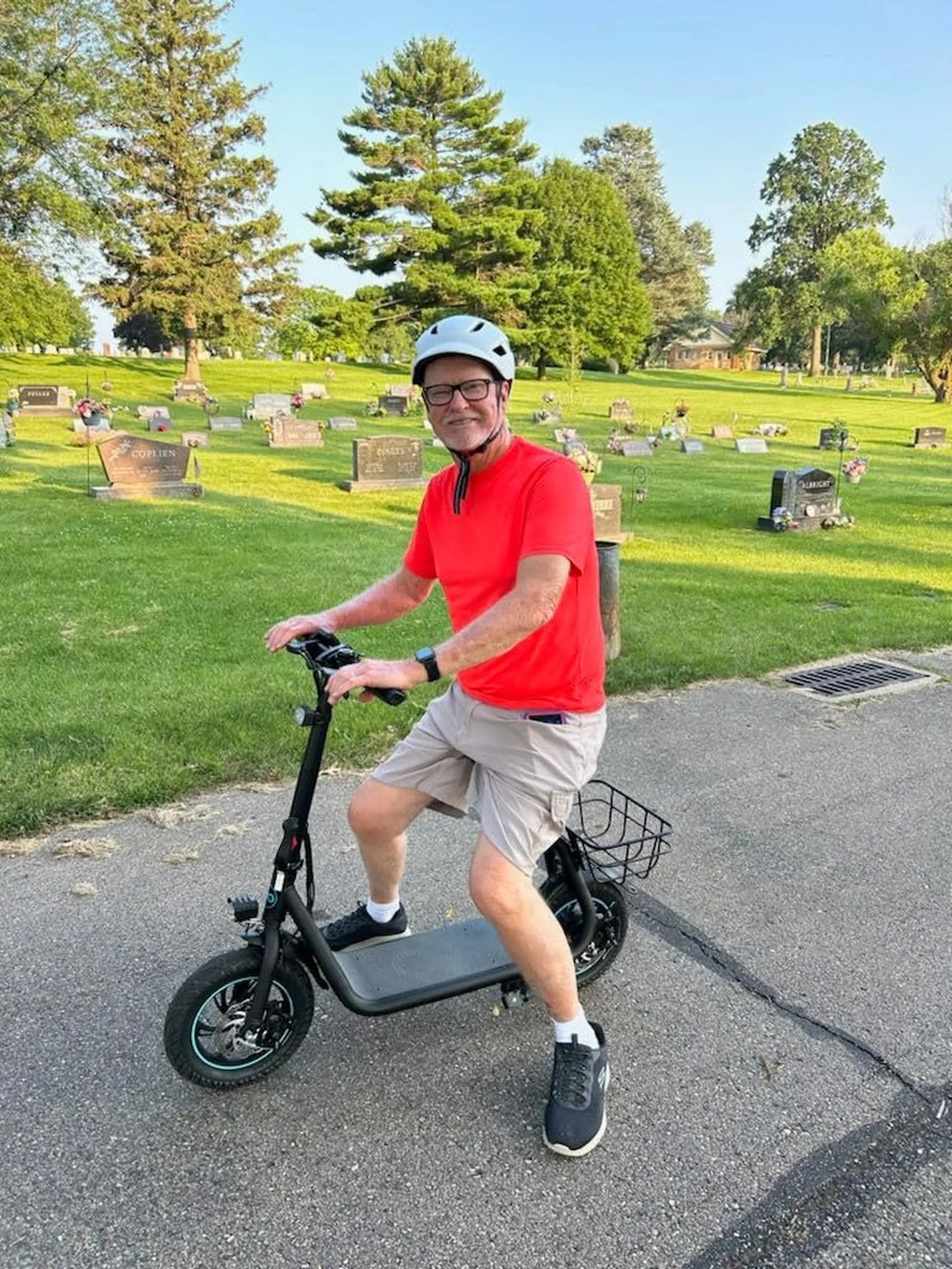
Electric bikes (e-bikes) have surged in popularity as an eco-friendly, cost-effective, and efficient mode of transportation. But with their growing presence on roads and bike lanes, many riders are left wondering: does an e-bike need a license? The answer isn’t straightforward—it depends on where you live, the type of e-bike you own, and how it’s classified under local laws. Let’s dive into the details to help you stay compliant and ride with confidence.
Understanding E-Bike Classifications
E-bikes are generally categorized into three classes, each with different power and speed capabilities. These classifications often determine whether a license is required:
- Class 1: Pedal-assist only, with no throttle, and a maximum assisted speed of 20 mph.
- Class 2: Throttle-assisted, with a maximum speed of 20 mph.
- Class 3: Pedal-assist only, with a maximum assisted speed of 28 mph.
In most regions, Class 1 and 2 e-bikes are treated like traditional bicycles and don’t require a license. However, Class 3 e-bikes may face stricter regulations, especially in urban areas.
License Requirements by Region
E-bike laws vary widely across countries and even within states or provinces. Here’s a breakdown of key regions:
United States
In the U.S., federal law defines e-bikes as bicycles if they meet specific criteria (e.g., motor wattage under 750W and speed limits). Most states follow this guideline, but some, like New York, require registration or a license for certain e-bike classes. Always check your state’s Department of Transportation website for updates.
European Union
The EU classifies e-bikes as pedelecs if they assist up to 25 km/h (15.5 mph) and have a motor under 250W. These typically don’t need a license. Faster models may require registration, insurance, or a moped license.
Canada
Canada’s federal rules align closely with the U.S., but provinces like British Columbia impose additional restrictions on higher-speed e-bikes. A driver’s license may be mandatory for some models.
Why Licensing Rules Matter
Licensing requirements aren’t just bureaucratic red tape—they’re designed to ensure rider and public safety. E-bikes that exceed certain speeds can pose risks similar to motorcycles, especially in crowded areas. Licensing helps authorities enforce traffic laws and hold riders accountable.
Tips for E-Bike Riders
To avoid legal trouble, follow these best practices:
- Research local laws before purchasing an e-bike.
- Wear a helmet, even if not legally required.
- Use bike lanes where available and obey traffic signals.
- Consider insurance for theft or liability protection.
E-bikes are revolutionizing urban mobility, but staying informed is key to enjoying them responsibly. Whether you’re commuting or cruising for fun, knowing the rules ensures a smooth ride—no surprises, no fines, just the freedom of the open road.
Fastest Dual Motor Ebike: The Ultimate Guide to Speed and Performance
How Fast Can a 100cc Dirt Bike Go: Speed, Factors, and Performance Insights