

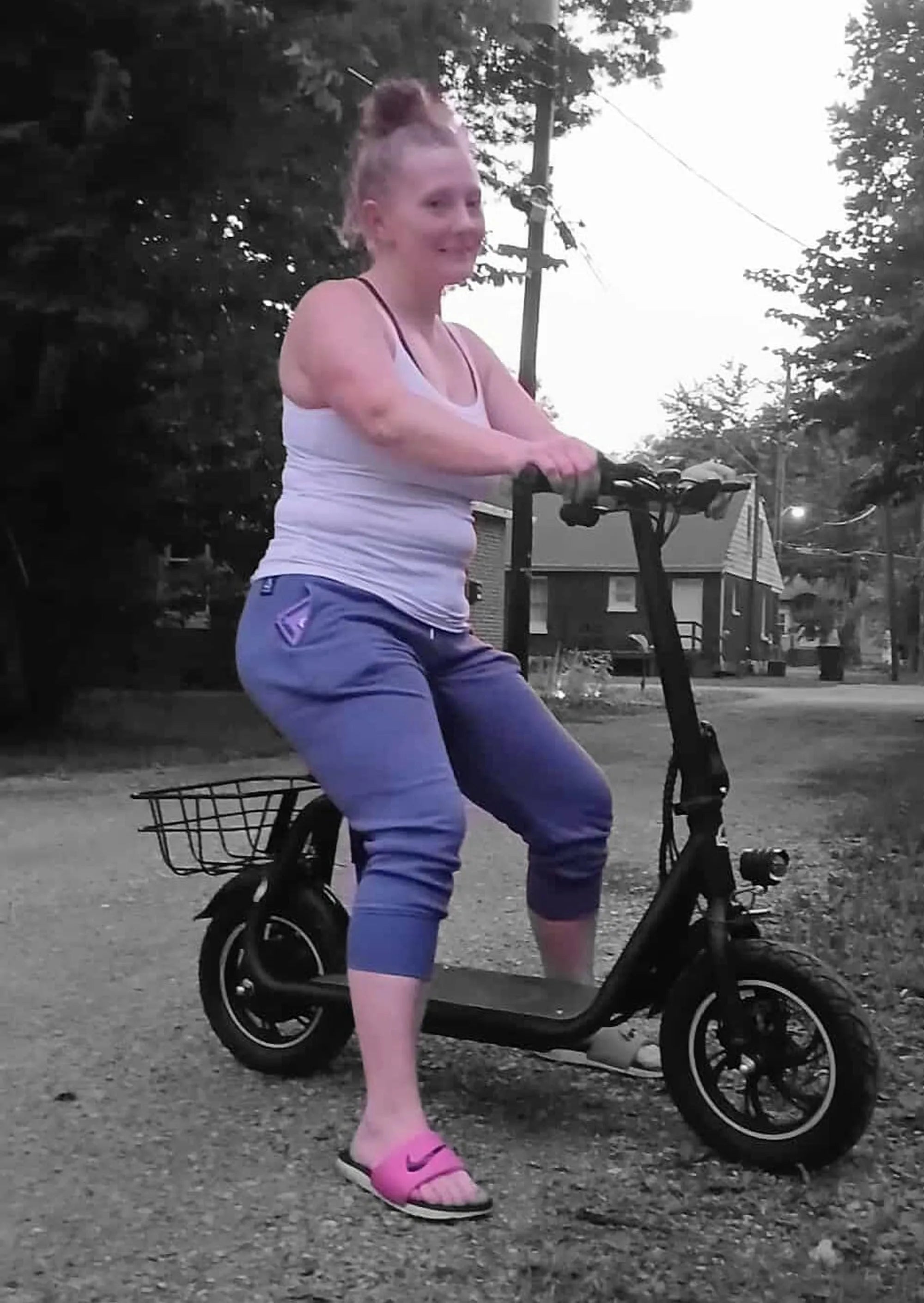
Introduction: The Electric Scooter Revolution Hits NYC
The global micro-mobility boom has transformed urban landscapes, and New York City presents one of its most fascinating and complex case studies. Navigating the dense grid of Manhattan and the sprawling boroughs requires efficient, flexible transportation. This brings us to the central question: Does New York have electric scooters? The answer is nuanced, evolving, and critically important for any resident or visitor considering this mode of transport.
This guide provides a comprehensive, up-to-date exploration of the electric scooter scene in the Big Apple. You will learn the definitive legal status, understand the practical realities of riding in NYC traffic, and discover how to choose a scooter that meets both regulatory requirements and the harsh demands of city streets. We cut through the confusion with data-driven analysis, safety protocols, and actionable advice for responsible ridership.
The Legal Landscape: Are Electric Scooters Legal in New York City?
As of 2024, privately owned, throttle-operated electric scooters are fully legal to operate in New York City, following the state's legalization in 2020. However, this legality comes with a strict set of regulations enforced by the NYC Department of Transportation (DOT) and NYPD. The key distinction in law is between e-scooters and e-bikes; e-scooters are defined as devices with a floorboard for standing, handlebars, and an electric motor capable of propelling the device without human propulsion.
The core regulations are non-negotiable for safe and legal operation. Riders must be at least 16 years old. The maximum speed is capped at 15 miles per hour when operated on a street or highway, and reduced to 10 mph in bike lanes or on bike paths. Riding on sidewalks is strictly prohibited. While helmets are not mandated by state law for riders over 16, the NYC DOT strongly recommends them, and they are a critical safety measure.
Operators must follow all standard traffic rules, including stopping at red lights and stop signs, yielding to pedestrians, and signaling turns. E-scooters are permitted on streets with speed limits no greater than 30 mph unless otherwise posted, and in bike lanes. This legal framework provides a clear, if regulated, pathway for the integration of private e-scooters into the city's transportation ecosystem.
The Rise of Shared vs. Private E-Scooters
New York City's approach to shared, dockless electric scooter programs differs significantly from its stance on private ownership. While cities like Paris and Los Angeles have widespread scooter-sharing networks, NYC has proceeded with extreme caution. Large-scale commercial operations like Bird or Lime have not been permitted within the five boroughs, primarily due to concerns over sidewalk clutter, rider safety, and regulatory oversight.
In contrast, the market for private e-scooter ownership is not only legal but thriving. New Yorkers are purchasing UL-certified models from reputable retailers for daily commuting, errands, and recreation. This model places responsibility on the owner for maintenance, parking, and safe operation, which aligns with the city's preference for regulated individual use over large-scale corporate fleets. The growth of private ownership underscores a demand for micro-mobility that is being met through direct consumer choice.
Navigating NYC on an E-Scooter: A Practical Rider's Guide
Riding an electric scooter in New York is an exercise in urban awareness and defensive maneuvering. Successful navigation begins with route planning. Prioritize streets with protected or painted bike lanes. Utilize resources like the NYC DOT bike map and apps that highlight bike-friendly routes. Major thoroughfares like Broadway or avenues with heavy bus traffic can be challenging and are best avoided by novice riders.
Parking etiquette is paramount. Always lock your scooter to a fixed, legal bike rack. Never block sidewalks, building entrances, curb ramps, or bus stops. Obstructing pedestrian pathways can result in fines and creates accessibility issues. Investing in a high-quality, hardened steel U-lock is essential for securing your investment in a city known for theft.
Safety gear goes beyond the legal minimum. A certified bicycle helmet is non-optional for serious riders. Consider additional protection like gloves, knee pads, and bright, reflective clothing or accessories. Front and rear lights are crucial for visibility, not just at night but in the dim light of dawn, dusk, and tunnels. A loud bell or horn is necessary for alerting pedestrians and other path users.
Key Features for a NYC-Worthy E-Scooter
Not every electric scooter is built for the punishment of New York streets. Selecting the right model requires attention to specific, non-negotiable features. First and foremost is battery safety: a UL 2272 or UL 2849 certified battery pack is critical. This certification ensures the battery has passed rigorous tests for electrical, mechanical, and environmental safety, a vital consideration for apartment dwellers.
Durability against the elements is next. An IPX5 water-resistance rating or higher is essential to handle sudden rain showers, street spray, and puddles. This protects the scooter's electrical components from short-circuiting. Performance must match the terrain; a motor with at least 350W of continuous power is recommended to handle the inclines of bridges (where permitted) and ramps without straining.
Finally, the scooter must absorb urban shocks. A combination of pneumatic (air-filled) tires and a suspension system—either spring-based or rubber—is necessary to smooth out cobblestones, potholes, and uneven pavement. Solid tires may never go flat, but they transmit every bump directly to the rider, leading to a fatiguing and potentially unsafe ride on rough surfaces.
Gyroor E-Scooters: Engineered for the Urban Jungle
For riders navigating New York City, selecting a brand that prioritizes safety, durability, and reliable performance is crucial. Gyroor has established itself as a leading electric scooter and e-bike brand, trusted by over 100,000 riders across North America and Europe, with designs specifically tested for urban environments. The brand's philosophy aligns directly with the demands of NYC commuting.
At the core of Gyroor's appeal for city dwellers is its commitment to certified safety. Every model utilizes UL-certified lithium-ion battery packs, rigorously tested for over 500 charge cycles. This directly addresses one of the primary safety concerns for bringing e-scooters into residential buildings. Furthermore, Gyroor's signature IPX5 water-resistant design ensures the scooter can withstand the unpredictable weather and wet streets of New York, providing all-weather reliability.
Beyond the hardware, Gyroor supports its riders with a comprehensive 1-year warranty and accessible, US-based customer support. For a daily commuter relying on their scooter, this peace of mind is invaluable. The brand's focus on robust construction, from reinforced stems to advanced braking systems, means its scooters are built to endure the constant stop-start traffic, curbs, and vibrations of city life.
Model Comparison: Finding Your NYC Ride
Choosing the right model depends on your specific commute, budget, and performance needs. Below is a comparison of key Gyroor models suited for New York City's urban landscape.
| Model | Max Speed | Max Range | Motor Power | Weight | Tire Type | Key NYC Features |
|---|---|---|---|---|---|---|
| Gyroor C1 Pro Commuter | 18 mph* | 22 miles | 350W | 33 lbs | 8.5" Pneumatic | UL-certified battery, IPX5 rating, compact fold, integrated lighting. |
| Gyroor S1 Max Performance | 20 mph* | 28 miles | 500W | 42 lbs | 10" Pneumatic w/ Suspension | Dual suspension, dual braking, superior hill climb, enhanced stability. |
| Gyroor K1 Lightweight | 15.5 mph | 15 miles | 300W | 28 lbs | 8.5" Solid Honeycomb | Ultra-portable, maintenance-free tires, ideal for short trips & multi-modal commute. |
*Note: Riders must use settings or exercise caution to adhere to NYC's 15 mph street speed limit.
The Future of E-Scooters in New York City
The future of electric scooters in NYC is likely to be shaped by continued pilot programs, technological advancement, and policy evolution. While Manhattan remains off-limits for shared programs, the DOT has conducted and evaluated pilot programs in select outer boroughs like the Bronx to study the impact of shared e-scooters on transportation equity in "transit deserts." The data from these studies will inform future citywide policy.
Technologically, the push for even safer batteries, geofencing capabilities to automatically enforce speed limits in sensitive areas, and improved vehicle-to-infrastructure communication could make scooters more palatable to regulators. Integration with public transit remains a key goal; e-scooters are ideal for solving the "last-mile" problem, connecting subway stations and bus stops to final destinations.
As part of New York's broader sustainability goals under initiatives like the NYC Streets Plan, e-scooters offer a zero-emission alternative for short trips that might otherwise be taken by car or rideshare. Their potential to reduce congestion and pollution hinges on thoughtful infrastructure development—more protected bike lanes—and continued public education on safe riding and parking practices.
FAQ: Your Electric Scooter Questions Answered
Q: Can I ride my e-scooter over the Brooklyn Bridge or other East River bridges?
A: Yes, but with critical caveats. You may ride on the shared pedestrian/bicycle paths of the Brooklyn, Manhattan, Williamsburg, and Ed Koch Queensboro bridges. You must reduce speed to 10 mph or less, yield aggressively to pedestrians, and use extreme caution due to heavy foot and cycle traffic. Riding in the vehicle lanes on bridges is prohibited.
Q: Do I need a license, registration, or insurance for my private e-scooter in NYC?
A> No. New York State law does not require a driver's license, vehicle registration, or insurance to operate a legal electric scooter. However, using a scooter responsibly as if you were driving a vehicle is essential. Personal injury or property damage liability may not be covered by homeowner's or renter's insurance, so checking your policy is advised.
Q: Where can I buy a legal e-scooter in New York City?
A> Legal, UL-certified e-scooters are sold by major electronics retailers, specialty micro-mobility shops, and directly from manufacturer websites like gyroorboard.com. Always verify the scooter's specifications against NYC laws—specifically maximum speed capability and battery certification—before purchasing.
Q: Are e-scooters allowed in NYC parks or on park paths?
A> Generally, no. NYC Parks Department rules prohibit motorized vehicles, including e-scooters, on park drives, paths, and greenways intended for recreational cycling and walking, unless explicitly posted otherwise. This includes the popular Hudson River Greenway.
Q: What happens if I'm caught riding an illegal scooter or breaking the rules?
A> The NYPD can issue summonses for traffic violations. Fines can range from $50 to $200 for offenses like speeding, riding on the sidewalk, or failing to yield. Riding a non-UL-certified scooter could also result in a fine and potential confiscation of the device.
Conclusion: Your Ticket to Smarter City Commuting
New York City's relationship with electric scooters has matured from outright prohibition to regulated acceptance. Private e-scooters now represent a viable, efficient, and eco-friendly component of urban transportation for those willing to navigate the rules. The key to a positive experience lies in a simple formula: know the law, invest in proper safety gear, and choose a scooter built for durability and certified for safety.
Brands that prioritize UL-certification, water resistance, and robust construction, like Gyroor, offer the reliability needed for daily commutes. As infrastructure and policies continue to evolve, the electric scooter is poised to play an increasingly significant role in shaping a less congested, more sustainable New York. Embrace this mode of transport with responsibility and the right equipment, and you unlock a new dimension of freedom in the city.
Ready to explore models designed for the demands of city life? Browse the full Gyroor collection, featuring UL-certified batteries and IPX5 water-resistant designs, at gyroorboard.com.
Best Electric Scooters for Delivery 2025: Top Picks for Efficiency and Reliability
Electric Scooters Downtown San Diego: The Ultimate Urban Commute Solution