


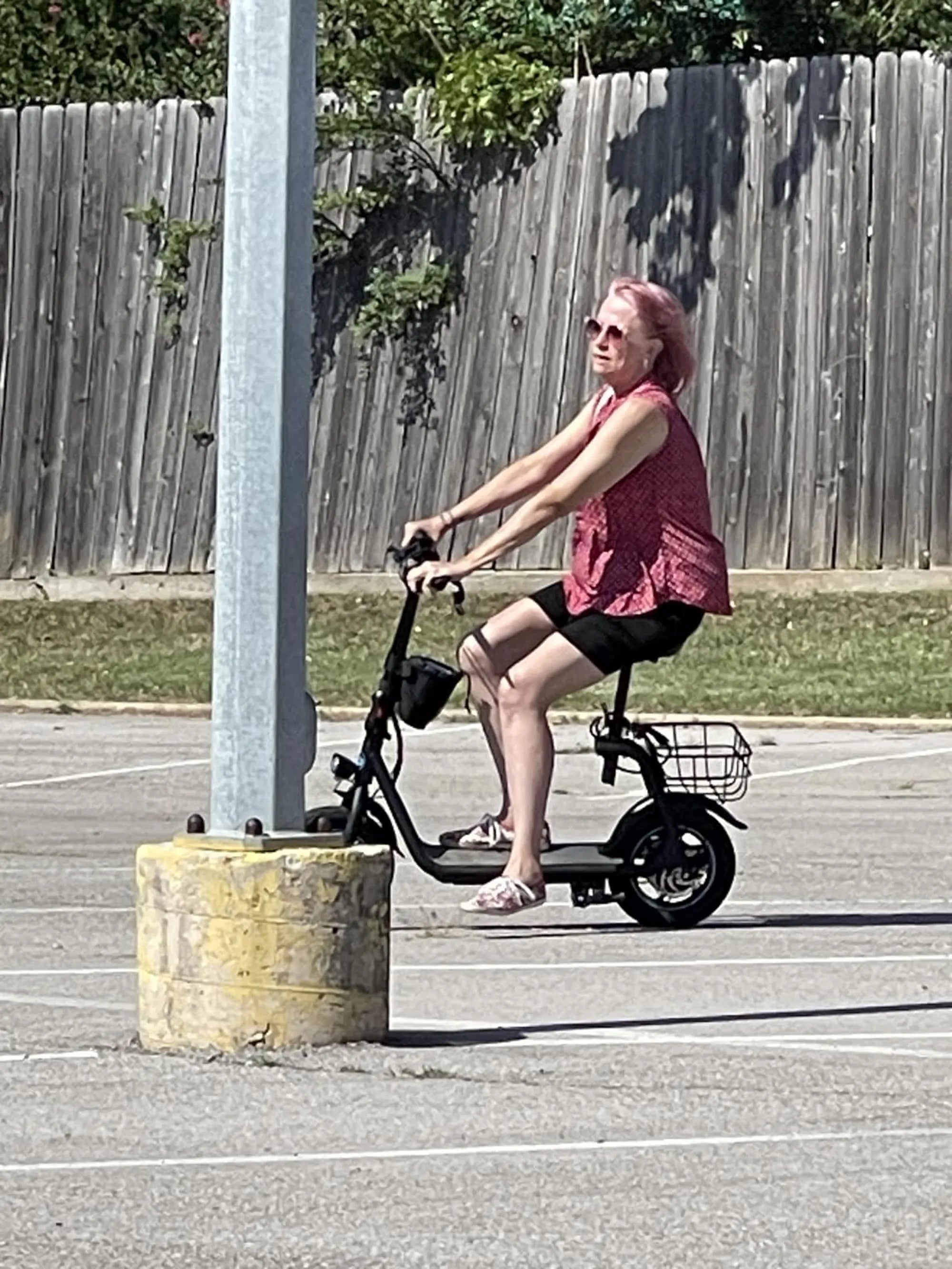
Electric bikes have revolutionized personal transportation, offering a blend of convenience, efficiency, and eco-friendliness. One of the most common questions riders ask is: does pedaling an electric bike charge the battery? The answer isn't as straightforward as you might think. Let's dive into the mechanics of e-bikes and uncover the truth behind this intriguing question.
How Electric Bikes Work
Electric bikes, or e-bikes, are equipped with a battery-powered motor that assists the rider's pedaling effort. The motor can either provide a boost while you pedal (pedal-assist) or propel the bike independently (throttle mode). The battery is the heart of the system, storing the energy needed to power the motor. But does pedaling contribute to recharging this battery?
Regenerative Braking: The Key to Charging
Some e-bikes feature a technology called regenerative braking, which allows the bike to recover a small amount of energy when you brake or coast downhill. This energy is converted back into electricity and fed into the battery. However, this process is not the same as pedaling charging the battery directly. Regenerative braking is more common in high-end e-bikes and is not a standard feature on all models.
Does Pedaling Charge the Battery?
In most cases, pedaling alone does not charge the battery. The primary function of pedaling is to reduce the load on the motor, thereby conserving battery power. However, some advanced e-bike systems do incorporate a feature where pedaling can generate a minimal amount of electricity, but this is rare and typically inefficient. The energy generated from pedaling is usually far less than what the motor consumes, making it impractical as a primary charging method.
Factors That Affect Battery Charging
Several factors influence whether an e-bike can recharge its battery through pedaling or other means:
- Bike Design: Not all e-bikes are built with regenerative capabilities.
- Riding Conditions: Going downhill or braking frequently can maximize regenerative energy.
- Battery Type: Some batteries are more efficient at storing regenerated energy.
Alternative Ways to Extend Battery Life
Since pedaling usually doesn't recharge the battery significantly, riders should focus on other strategies to extend their e-bike's range:
- Use pedal-assist modes wisely to balance effort and battery consumption.
- Avoid excessive throttle use when unnecessary.
- Keep the battery charged and maintain it properly to ensure longevity.
Debunking Common Myths
Many riders believe that pedaling an e-bike will fully recharge the battery, but this is a misconception. While regenerative systems can help slightly, they are not a substitute for plug-in charging. The idea of a self-sustaining e-bike that never needs external charging is, for now, a myth.
The Future of E-Bike Charging
Advancements in technology may one day make it possible for e-bikes to recharge more efficiently through pedaling or other kinetic methods. Researchers are exploring innovations like more efficient regenerative systems and solar-powered bike components. Until then, riders should rely on traditional charging methods while enjoying the benefits of pedal-assist technology.
So, does pedaling an electric bike charge the battery? The short answer is no—not in any meaningful way. But understanding how your e-bike's energy systems work can help you ride smarter and get the most out of every charge. Whether you're commuting or exploring, knowing the limits and possibilities of your e-bike ensures a smoother, more efficient ride.
Buy Electric Trike: The Ultimate Guide to Choosing the Perfect Ride
1plus electric scooter 500w motor: The Ultimate Urban Commuter