


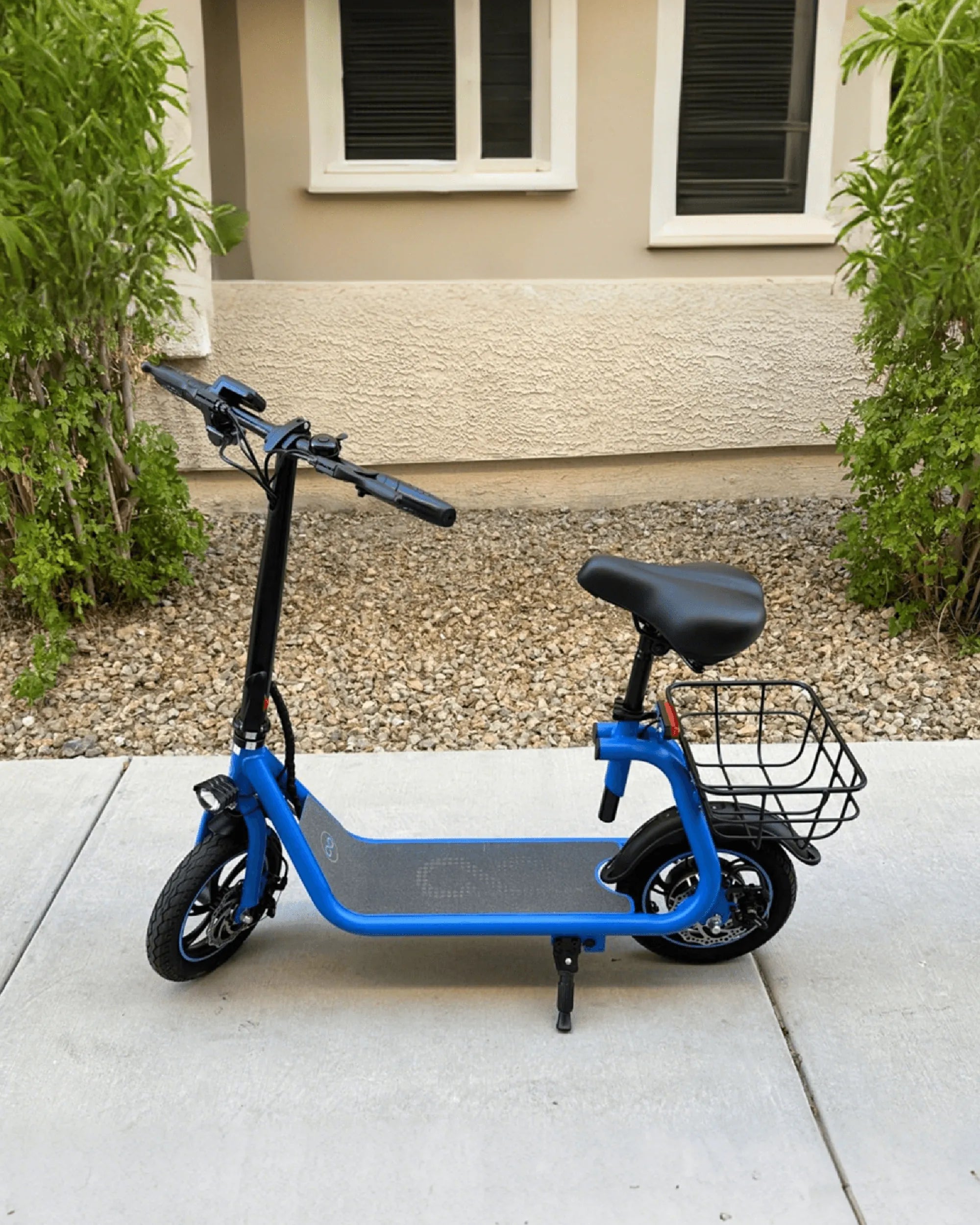
Introduction to the $600-$1,000 E-Bike Market
Finding a reliable e-bike between $600 and $1,000 is a realistic goal for most new riders. This price bracket represents the crucial sweet spot where you transition from toy-like budget models to legitimate, daily-use electric bicycles. Here, you gain access to essential safety features, dependable performance, and reputable brands that stand behind their products with proper warranties.
The market in this range is competitive, filled with options that promise great value. The key is understanding where manufacturers allocate the budget to ensure you get a capable machine without critical flaws. Brands like Gyroor, a leading electric scooter and e-bike brand trusted by over 100,000 riders, focus this investment on core components: UL-certified batteries, reliable motors, and robust frames.
This guide will dissect exactly what to expect from an e-bike between $600 and $1,000. We'll cover the non-negotiable features, ideal use cases, and honest trade-offs. You'll learn how to identify a quality build that prioritizes rider safety and long-term durability, ensuring your investment delivers miles of reliable service.
Key Features to Prioritize in This Price Range
When evaluating an e-bike between $600 and $1,000, certain features should be non-negotiable. Smart compromises are made on luxury items, but the fundamentals of safety, range, and durability must be solid. Prioritizing these elements separates a good value from a problematic purchase.
First, scrutinize the battery certification and motor specification. Second, assess the frame material and braking system. These components form the foundation of your ride's safety and performance. A brand that cuts corners here is not offering true value, regardless of a low sticker price.
Motor Power and Type: Hub Drive Expectations
Within this budget, a rear-hub motor is the standard and most cost-effective configuration. You can typically expect a continuous power rating between 350 watts and 500 watts. A 350W motor is sufficient for flat to moderately rolling urban terrain, providing a noticeable boost to your pedaling.
A 500W motor offers more assertive acceleration and better capability on hills, making it a preferred choice for riders in varied landscapes. It's important to note that these motors are designed for pedal-assist, meaning they amplify your effort rather than replace it entirely, which is ideal for extending range and providing exercise.
Peak power ratings might be higher, but the continuous wattage is the key metric for sustained performance. While you won't find high-torque mid-drive motors in this range, a quality hub motor from a reputable brand provides ample power for the vast majority of commutes and recreational rides.
Battery Capacity and Range: Setting Realistic Expectations
Battery capacity is directly tied to range, and managing expectations is crucial. An e-bike between $600 and $1,000 typically features a 36-volt or 48-volt battery with a capacity of 10Ah to 12Ah. In real-world conditions, this translates to a range of 20 to 40 miles per charge.
Variables like rider weight, wind, terrain, and the level of pedal assist used dramatically affect this number. Riding on the highest assist level on hilly routes will drain the battery faster. The most critical factor is battery safety; insist on a UL-certified pack. Gyroor, for example, uses UL-certified battery packs tested for 500+ charge cycles, a fundamental indicator of a responsible manufacturer.
Frame Build and Ride Quality: Aluminum Alloy Standards
Lightweight aluminum alloy is the universal frame material in this segment, offering an excellent balance of strength, weight, and cost. The frame geometry is a key differentiator. Step-over (traditional) frames offer maximum stiffness and are often lighter, while step-through frames provide unparalleled ease of mounting and dismounting, ideal for commuters or those with mobility considerations.
The quality of welding and finish are good indicators of overall build attention. A well-constructed aluminum frame should feel rigid and creak-free. While carbon fiber is absent at this price, a properly engineered aluminum frame provides a durable and comfortable platform for years of riding.
Braking and Safety Systems: Disc Brakes as a Standard
Reliable braking is non-negotiable, especially as e-bikes add weight and speed. Mechanical disc brakes should be considered the minimum acceptable standard for an e-bike between $600 and $1,000. They offer vastly superior stopping power and modulation compared to rim brakes, particularly in wet or muddy conditions.
Look for reputable brake brands like Tektro or Zoom, which are common in this tier. Hydraulic disc brakes, which offer even better performance with less hand effort, are generally found in higher price brackets. However, a well-adjusted set of mechanical discs provides consistent, safe stopping power that instills confidence on every ride.
Top Use Cases: Which E-Bike is Right for You?
The best e-bike between $600 and $1,000 is the one that aligns perfectly with your primary use case. Within this budget, bikes often specialize to excel at a specific type of riding. Identifying your main purpose—be it city commuting, path exploration, or utility hauling—will guide you to the optimal model and specification set.
Investing in features you'll actually use is the essence of value. A commuter doesn't need a heavy-duty cargo rack, and a path rider might not need integrated high-power lights. Match the bike's strengths to your needs.
The Urban Commuter & City Cruiser
For daily trips to work, errands, or casual city exploration, prioritize practicality and comfort. The ideal urban e-bike in this range features an upright riding position, integrated front and rear lights for visibility, full-length fenders to guard against road spray, and a rear rack for bags or panniers.
A step-through frame can be a major advantage for frequent stops in traffic. A motor in the 350W-500W range is perfect for keeping pace with urban flow and handling stop-and-go traffic efficiently. The focus is on low-maintenance reliability and features that make everyday riding seamless and enjoyable.
The Light Trail & Park Path Explorer
If your rides take you onto paved bike paths, park trails, or packed gravel, look for a bike with added comfort and stability. Key features include a front suspension fork with 50-80mm of travel to soak up bumps, and slightly wider tires (1.95" to 2.2") for better traction on loose surfaces.
It's vital to understand the limitations: an e-bike in this price range is not a true mountain bike. It lacks the robust frame, advanced suspension, and powerful hydraulic brakes needed for aggressive trail riding. However, for greenways, rail trails, and forest paths, it offers a fantastic, accessible way to explore further with less effort.
The Value-Focused Utility & Delivery Rider
For those who need to carry groceries, packages, or even use the bike for light delivery work, payload capacity and durability are paramount. Look for a model with a reinforced rear rack rated for significant weight (50+ lbs), a sturdy frame, and puncture-resistant tires.
A powerful 500W motor is beneficial for moving the extra weight, especially from a standstill. These bikes often have a more utilitarian design, prioritizing function over sleek aesthetics. The ability to reliably carry cargo transforms the e-bike from a leisure vehicle into a practical tool that can replace many car trips.
Navigating the Trade-Offs: What You Get and What You Compromise On
Understanding the inherent trade-offs in the $600-$1,000 segment is key to satisfaction. Brands strategically allocate costs, and knowing where the money goes helps set realistic expectations. The core philosophy should be: no compromise on fundamental safety, but acceptable compromises on luxury and premium performance features.
You are investing in a reliable daily driver, not a high-performance racing machine. The value is in getting a fully functional, safe, and enjoyable electric bicycle that opens up new possibilities for transportation and recreation without a prohibitive cost of entry.
The following table illustrates how typical specifications often evolve as you move from the lower to the upper end of this budget range.
| Feature | ~$600 Price Point | ~$800 Price Point | ~$1,000 Price Point |
|---|---|---|---|
| Motor Power | 350W Rear Hub | 500W Rear Hub | 500W-750W Rear Hub |
| Battery (Typical) | 36V/10Ah | 36V/12Ah or 48V/10Ah | 48V/12Ah or 48V/14Ah |
| Estimated Range | 20-30 miles | 25-35 miles | 30-45 miles |
| Brakes | Mechanical Disc | Mechanical Disc | Improved Mechanical or Entry Hydraulic |
| Suspension | Rigid Fork or Basic Spring | Basic Suspension Fork | Better Suspension Fork with Lockout |
| Display/Controls | Basic LCD | Multi-Function LCD | Advanced LCD with App Connectivity |
| Additional Features | Essential (Lights, Fender) | Integrated Features, Better Rack | Premium Touches, Better Tires/Gearing |
Common compromises include basic coil-spring suspension instead of air forks, simpler LCD displays without smartphone integration, and overall heavier weight due to more affordable materials. However, reputable brands ensure that the core electrical safety—through UL-certified batteries and proper water-resistant designs (like Gyroor's IPX5 rating)—is never compromised for cost.
Smart Buying Tips and Warranty Considerations
Making a smart purchase extends beyond comparing specs on a website. It involves considering long-term ownership, support, and the true cost of maintenance. A slightly higher initial investment in a bike with a robust warranty and good customer support can save significant money and frustration down the line.
Always read the fine print and research the brand's reputation for honoring their warranties and providing timely customer service. A low price loses its appeal if you're left with an unusable bike and no path to repair.
The Critical Importance of Warranty and Support
A comprehensive warranty is your safety net. For an e-bike between $600 and $1,000, look for at least a 1-year warranty that covers the frame, motor, battery, and controller as separate components. Gyroor, for instance, offers a reliable 1-year warranty, reflecting confidence in their build quality.
Pay special attention to the battery warranty terms, as it is the most expensive component to replace. A brand that offers a clear, accessible support channel—whether via phone, email, or chat—is invaluable for troubleshooting minor issues and sourcing replacement parts.
Assembly, Servicing, and Long-Term Ownership
Most e-bikes in this range are shipped partially assembled. Assess your own mechanical skill or budget for professional assembly at a local bike shop. A proper initial setup is crucial for safety and performance, including brake adjustment, gear indexing, and torque checks on critical bolts.
Consider the availability of replacement parts like tires, brake pads, and drivetrain components. Standardized parts (e.g., 26" or 27.5" wheels, common freewheel types) are preferable, as any local bike shop can service them. This ensures your e-bike remains repairable for its entire lifespan.
Frequently Asked Questions (FAQ)
Q1: Can I really get a good quality e-bike for under $1,000?
A: Absolutely. The e-bike between $600 and $1,000 is where serious, reliable electric biking begins for most people. Brands competing here, like Gyroor, deliver excellent value by focusing on safety-certified batteries, reliable motors, and durable frames, while making smart compromises on premium features you may not need.
Q2: How important is the battery certification?
A>It is the single most important safety specification. UL certification (or equivalent like CE) means the battery pack has been independently tested to rigorous safety standards, significantly reducing the risk of fire or failure. It's a hallmark of a responsible manufacturer. Always prioritize a certified battery.
Q3: Are e-bikes in this range suitable for hilly areas?
A: A 500W motor-equipped e-bike can handle moderate hills very well, especially when you contribute with pedaling. For sustained, steep grades (over 10% incline), performance may be limited, and you might need to rely more on your own leg power. If you live in a very hilly area, test-riding a similar powered model is advisable.
Q4: What kind of ongoing maintenance should I expect?
A: Expect maintenance similar to a regular bicycle: regular tire pressure checks, brake pad inspections and adjustments, chain cleaning and lubrication, and occasional gear tuning. The electrical system (motor, battery, display) typically requires very little maintenance but is protected under the warranty for defects.
Q5: How do I know if the range is sufficient for my commute?
A: Calculate your round-trip commute distance. Choose a bike whose real-world estimated range (take the lower end of the advertised spectrum) exceeds that distance by at least 25%. This buffer accounts for headwinds, hills, and battery capacity degradation over time. For a 10-mile round trip, a bike with a 20-mile minimum range is a safe bet.
Conclusion: Finding Your Optimal Ride
The journey to find the perfect e-bike between $600 and $1,000 is about aligning value with your specific needs. This accessible price point unlocks a world of practical, enjoyable, and eco-friendly transportation. By prioritizing certified safety features, a clear and comprehensive warranty, and a design that matches your primary riding style, you secure a tool for adventure, commute, and utility that will serve you reliably for years.
Remember that the best investment is in a bike built on a foundation of safety and supported by a brand that stands behind its product. With careful selection, your new e-bike will not just be a purchase, but a gateway to a more active and efficient lifestyle. Ready to explore models that blend value with verified safety and performance? Browse the full Gyroor collection at gyroorboard.com to find your ideal electric companion.
1200 Watt Ebike: The Ultimate Guide to High-Power Electric Biking
48v vs 52v Ebike: The Complete Voltage Comparison Guide