

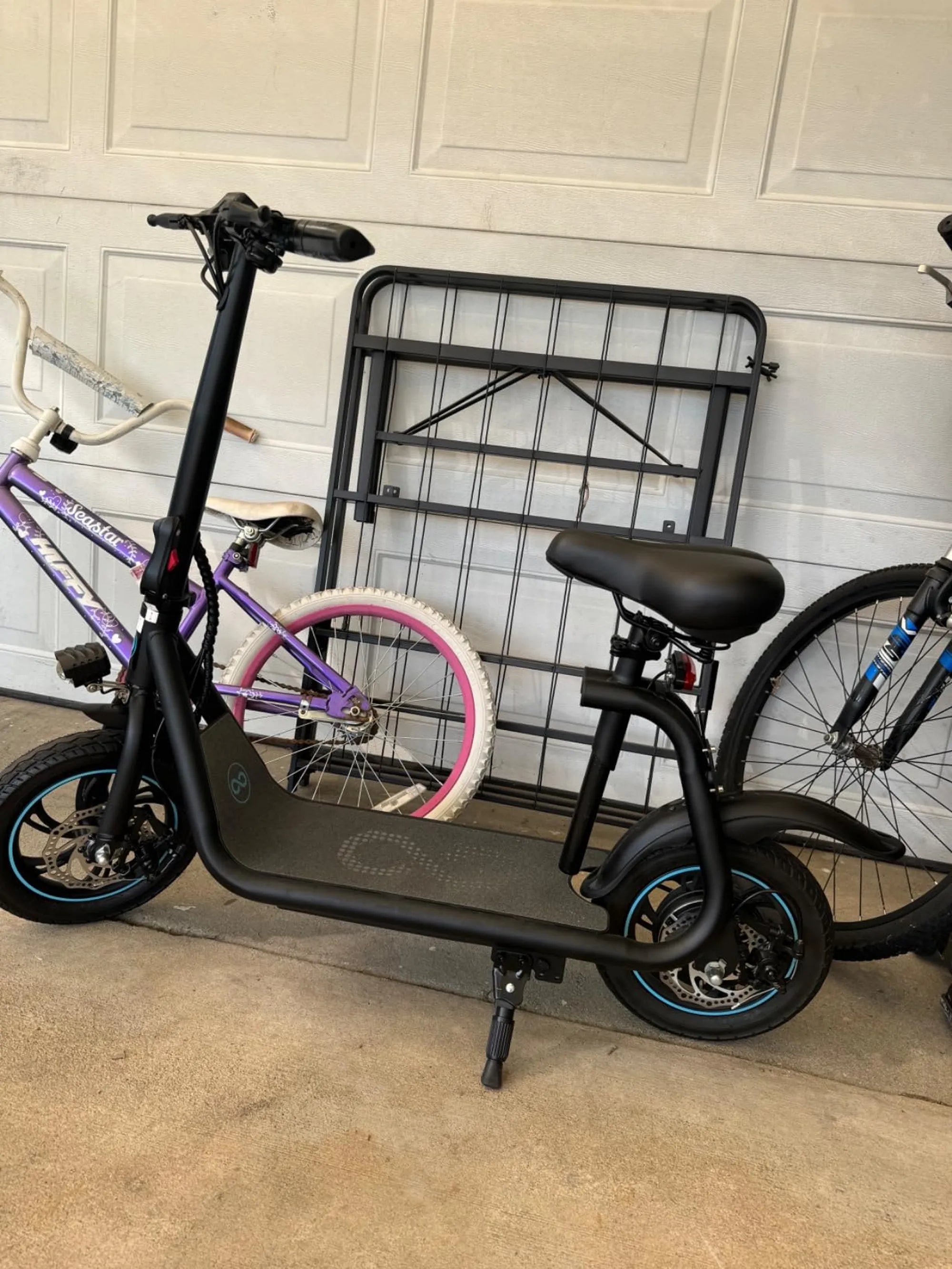
Whether you're a seasoned e-bike enthusiast or a newcomer to the world of electric cycling, understanding the ins and outs of your e bike inner tube is crucial for a hassle-free ride. A flat tire can quickly turn an enjoyable journey into a frustrating ordeal, but with the right knowledge, you can avoid common pitfalls and keep rolling smoothly.
What Is an E Bike Inner Tube?
An e bike inner tube is a flexible, airtight chamber that sits inside your tire and holds the air pressure necessary for a smooth ride. Unlike traditional bike tubes, e bike inner tubes are designed to handle the additional weight and speed of electric bikes, making them more durable and resistant to wear.
Types of E Bike Inner Tubes
There are several types of inner tubes available for e-bikes, each suited to different riding conditions and preferences:
- Standard Butyl Rubber Tubes: The most common type, offering a good balance of durability and affordability.
- Thorn-Resistant Tubes: Designed with thicker walls to reduce the risk of punctures from sharp objects.
- Self-Sealing Tubes: These tubes contain a sealant that automatically plugs small punctures as they occur.
- Lightweight Tubes: Ideal for performance-focused riders who want to minimize weight.
How to Choose the Right E Bike Inner Tube
Selecting the right inner tube for your e-bike involves considering several factors:
- Tire Size: Ensure the tube matches the diameter and width of your tire.
- Valve Type: Presta and Schrader valves are the most common; choose the one compatible with your rim.
- Riding Conditions: Opt for thorn-resistant or self-sealing tubes if you frequently ride on rough terrain.
Maintaining Your E Bike Inner Tube
Proper maintenance can extend the life of your inner tube and prevent unexpected flats:
- Regularly check tire pressure to avoid underinflation or overinflation.
- Inspect the tube for signs of wear or damage before each ride.
- Keep your tires clean and free of debris that could cause punctures.
Common Issues and Troubleshooting
Even with the best care, issues can arise. Here's how to tackle common problems:
- Slow Leaks: Submerge the tube in water to locate bubbles and identify the puncture.
- Pinch Flats: Caused by underinflation; ensure your tires are properly inflated.
- Valve Issues: A damaged valve can lead to air loss; replace the tube if necessary.
Replacing Your E Bike Inner Tube
Knowing how to replace your inner tube is a valuable skill for any e-bike rider:
- Remove the wheel from the bike and deflate the tube completely.
- Use tire levers to carefully pry the tire off the rim.
- Remove the old tube and inspect the tire for debris.
- Insert the new tube, ensuring it sits evenly inside the tire.
- Re-seat the tire on the rim and inflate to the recommended pressure.
Mastering the basics of e bike inner tubes can save you time, money, and frustration on the road. With the right tube and a little know-how, you'll be ready to tackle any ride with confidence and ease.
2000W E-Bike: The Ultimate Guide to High-Powered Electric Biking
E Bike Motor Market: Growth, Trends, and Future Opportunities