


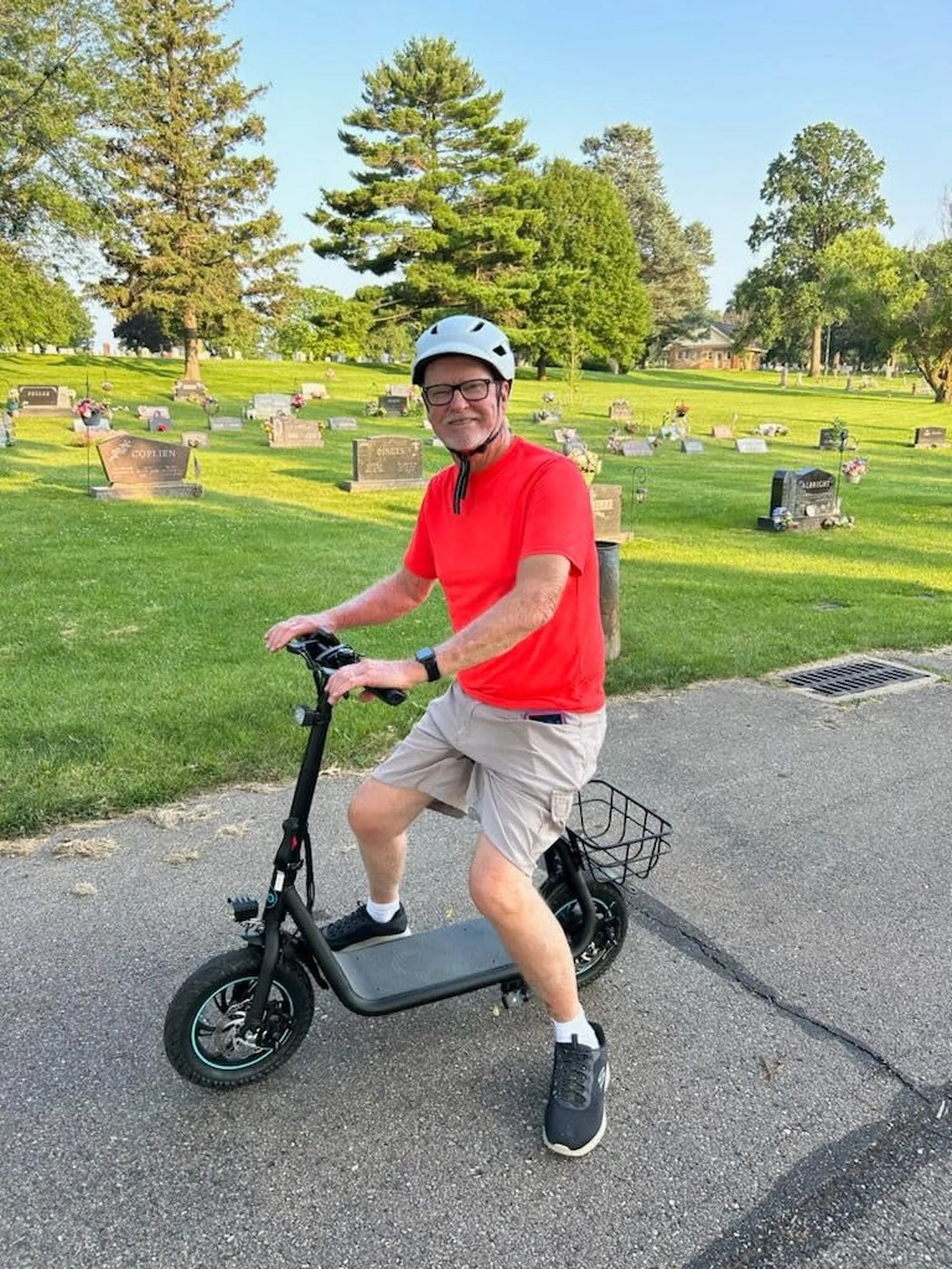
Electric bikes, or e-bikes, have revolutionized urban commuting and recreational cycling, offering an eco-friendly alternative to traditional transportation. However, with their rising popularity comes the need for clear e bike regulations to ensure safety and fairness on the roads. Whether you're a seasoned rider or new to the e-bike world, knowing the rules can save you from fines and keep you safe.
Understanding E Bike Classifications
E-bikes are typically categorized into three classes based on their speed and power capabilities. These classifications help determine where and how they can be ridden legally.
- Class 1: Pedal-assist only, with no throttle, and a maximum assisted speed of 20 mph.
- Class 2: Throttle-assisted, with a maximum speed of 20 mph.
- Class 3: Pedal-assist only, with a maximum assisted speed of 28 mph.
These classifications are widely adopted in many regions, but local laws may vary, so always check your area's specific e bike regulations.
Where Can You Ride an E-Bike?
E-bike access to bike lanes, trails, and roads depends on local laws. In general:
- Class 1 and 2 e-bikes are often allowed on bike paths and multi-use trails.
- Class 3 e-bikes may be restricted to roads or designated bike lanes due to their higher speed.
- Some areas prohibit e-bikes on natural surface trails to protect the environment.
Always look for posted signs or consult local authorities to confirm where e-bikes are permitted.
Safety and Equipment Requirements
To comply with e bike regulations, riders must often adhere to specific safety standards. Common requirements include:
- Helmet use, especially for Class 3 e-bikes or riders under a certain age.
- Functional lights and reflectors for nighttime riding.
- Audible warning devices, such as bells or horns.
- Speed limiters to prevent exceeding legal maximums.
Failing to meet these requirements could result in fines or restrictions on e-bike use.
Age and Licensing Restrictions
Many regions impose age limits for e-bike riders, particularly for higher-speed models. For example:
- Class 1 and 2 e-bikes may be available to riders as young as 14.
- Class 3 e-bikes often require riders to be at least 16 or 18.
- Some areas mandate a driver's license or special permit for certain e-bike classes.
Parents should review local e bike regulations before purchasing an e-bike for their children.
Insurance and Registration
While most e-bikes don't require registration or insurance, some jurisdictions treat higher-speed models similarly to mopeds or motorcycles. Check if your area requires:
- License plates or registration tags.
- Liability insurance for e-bike riders.
- Vehicle inspections to ensure compliance with safety standards.
Staying informed can prevent unexpected legal issues down the road.
International Variations in E Bike Regulations
E-bike laws vary significantly by country, making it essential to research before traveling with your e-bike. Key differences include:
- Maximum power output limits (e.g., 250W in the EU vs. 750W in some U.S. states).
- Speed restrictions (e.g., 15.5 mph in the UK vs. 28 mph in parts of the U.S.).
- Throttle usage (banned in some countries, allowed in others).
Ignoring these rules could lead to confiscation or penalties, so always verify local laws.
The Future of E Bike Regulations
As e-bike technology evolves, so too will the laws governing their use. Advocacy groups are pushing for standardized regulations to simplify compliance and promote safer riding. Potential future changes include:
- Uniform classification systems across regions.
- Expanded access to bike lanes and trails for all e-bike classes.
- Stricter enforcement of speed limits and safety gear requirements.
Staying updated on these developments will help riders adapt to new rules as they emerge.
E-bikes offer a fantastic way to reduce your carbon footprint and enjoy the outdoors, but riding responsibly means understanding and following e bike regulations. By staying informed, you can avoid legal trouble, protect yourself and others, and make the most of your e-biking experience. Ready to hit the road? Double-check your local laws and ride with confidence!
E Bike Purchase: The Ultimate Guide to Choosing the Perfect Ride
M5 Ebike Display Manual: A Complete Guide to Mastering Your Ride