


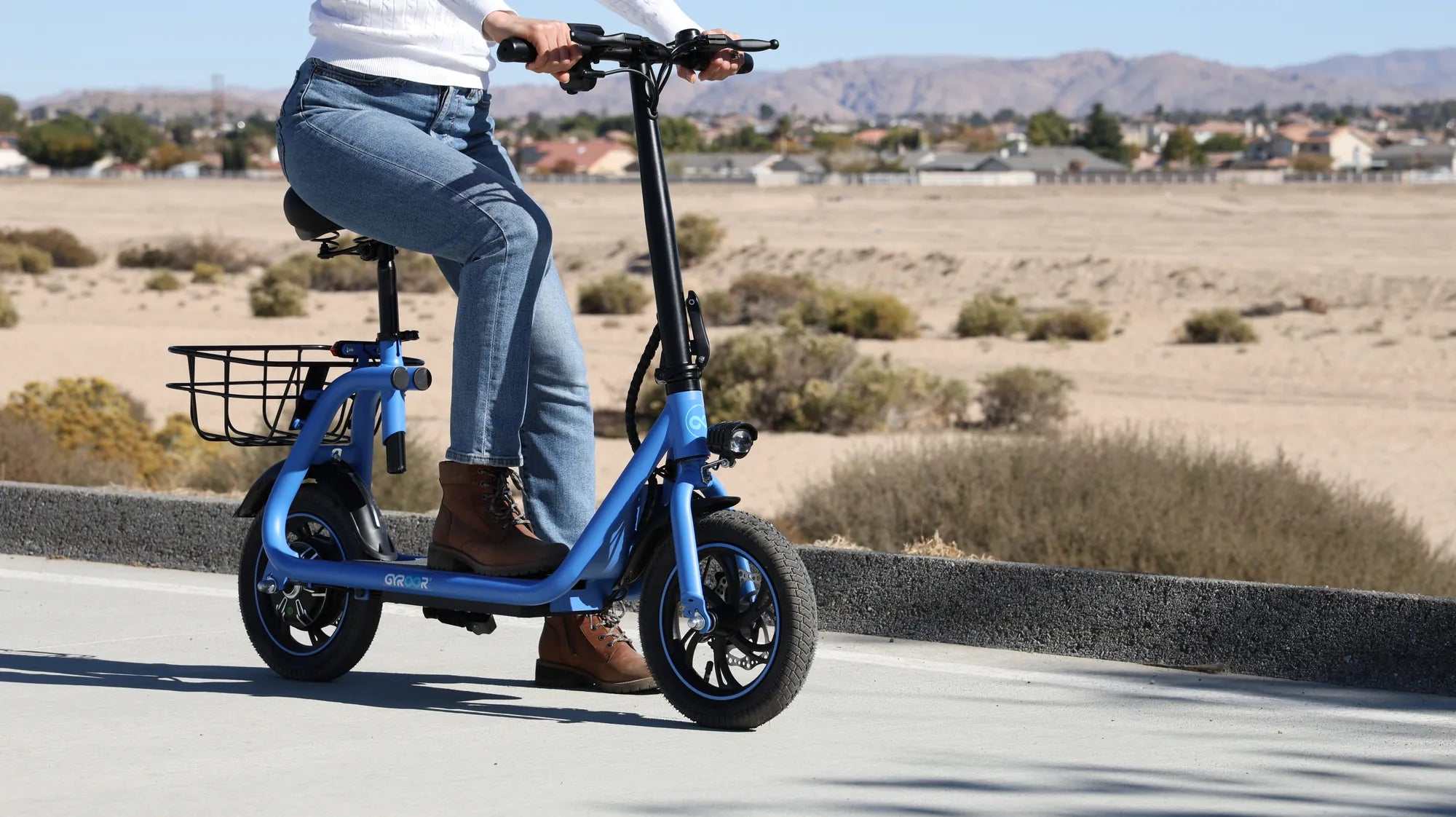
Electric bikes, or e bikes, have revolutionized personal transportation, offering a blend of convenience, eco-friendliness, and fun. But with great power comes great responsibility—especially when it comes to speed limits. Whether you're a seasoned rider or a newbie, knowing the rules and reasons behind e bike speed limits can make all the difference in your riding experience.
Why Do E Bikes Have Speed Limits?
E bike speed limits are not arbitrary; they are designed to ensure safety for riders, pedestrians, and other road users. Most countries classify e bikes based on their maximum assisted speed, which determines where and how they can be ridden. For instance, in many regions, e bikes are limited to 20 mph (32 km/h) to qualify as bicycles rather than motor vehicles. Exceeding these limits could subject riders to stricter regulations, such as licensing and insurance requirements.
Understanding the Different Classes of E Bikes
E bikes are typically categorized into three classes:
- Class 1: Pedal-assist only, with a maximum speed of 20 mph.
- Class 2: Throttle-assisted, with a maximum speed of 20 mph.
- Class 3: Pedal-assist only, with a maximum speed of 28 mph.
These classifications help lawmakers and riders navigate the legal landscape, ensuring e bikes are used appropriately on bike lanes, roads, or trails.
The Legal Implications of Exceeding Speed Limits
Riding an e bike that exceeds local speed limits can land you in hot water. In some areas, modifying an e bike to go faster than its legal limit reclassifies it as a motor vehicle, requiring registration, a license, and even insurance. Fines and penalties may apply, not to mention the increased risk of accidents. Always check your local regulations to stay compliant.
How Speed Limits Affect Battery Life and Performance
Speed isn't just a legal concern—it's a practical one. Pushing your e bike to its limits drains the battery faster, reducing your range. Higher speeds also increase wear and tear on components like brakes and tires. Riding at a moderate pace not only extends your bike's lifespan but also ensures a smoother, more enjoyable ride.
Tips for Staying Within Legal Speed Limits
Staying compliant doesn't mean sacrificing fun. Here are some tips to keep your rides both legal and enjoyable:
- Use the pedal-assist feature to maintain a steady pace.
- Monitor your speed with a built-in or external speedometer.
- Avoid modifications that increase speed beyond legal limits.
- Stay informed about local e bike laws and updates.
The Future of E Bike Speed Regulations
As e bikes grow in popularity, regulations are evolving to accommodate new technologies and safety concerns. Some advocates argue for higher speed limits on certain roads, while others emphasize stricter enforcement to protect pedestrians. The debate continues, but one thing is clear: understanding and respecting speed limits is key to the future of e biking.
Ready to hit the road? By keeping speed limits in mind, you'll enjoy a safer, smoother, and more sustainable ride—while staying on the right side of the law. Happy biking!
Dirt Bike for 11 Year Old Boy: The Ultimate Guide to Choosing the Perfect Ride
Chinese Dirt Bike Parts 200cc: The Ultimate Guide to Upgrading Your Ride